
MSG (Monosodium Glutamate)

.svg)
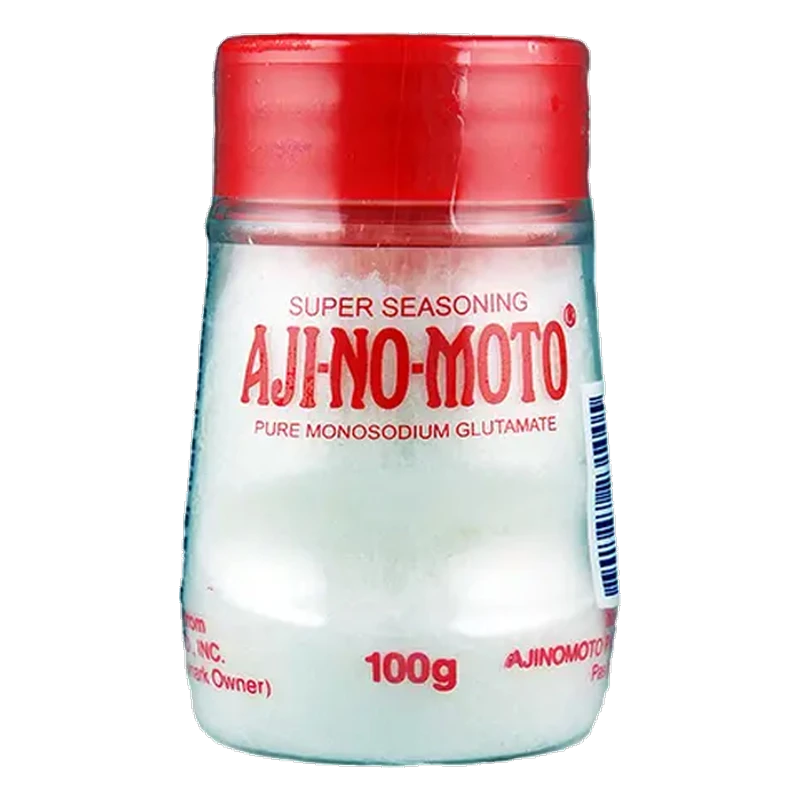
MSG, or monosodium glutamate, is the sodium salt of glutamic acid, an amino acid found naturally in foods like tomatoes, cheese and kombu seaweed. Japanese chemist Kikunae Ikeda first isolated it from kombu broth in 1908 and identified its distinct savoury taste as umami, one of the five basic tastes. Sold as a standalone white crystalline seasoning — most famously under the Ajinomoto brand — a small pinch enhances the savoury depth of soups, stir-fries, marinades and processed foods.
Ingredients
MSG is a single ingredient: monosodium glutamate, commercially produced today by fermenting starch, sugar beet, molasses or sugarcane, similar to how yoghurt or vinegar are made.
Nutritional Facts
MSG contributes negligible calories, fat, carbohydrates or protein at typical serving sizes. Per quarter teaspoon (about 1.2 grams), it contains roughly 125 milligrams of sodium — around a third of the sodium found in the same weight of table salt.


Other glossary terms
Sign up for future updates
Get recipes, special offers and other content straight to your inbox.