Rice vinegar: the bright little lift your dinner needs
Understand rice vinegar, rice wine vinegar and sushi vinegar. Get buying tips, cooking ideas, substitutes and storage advice for your Australian pantry.
Is rice wine vinegar the same as rice vinegar?
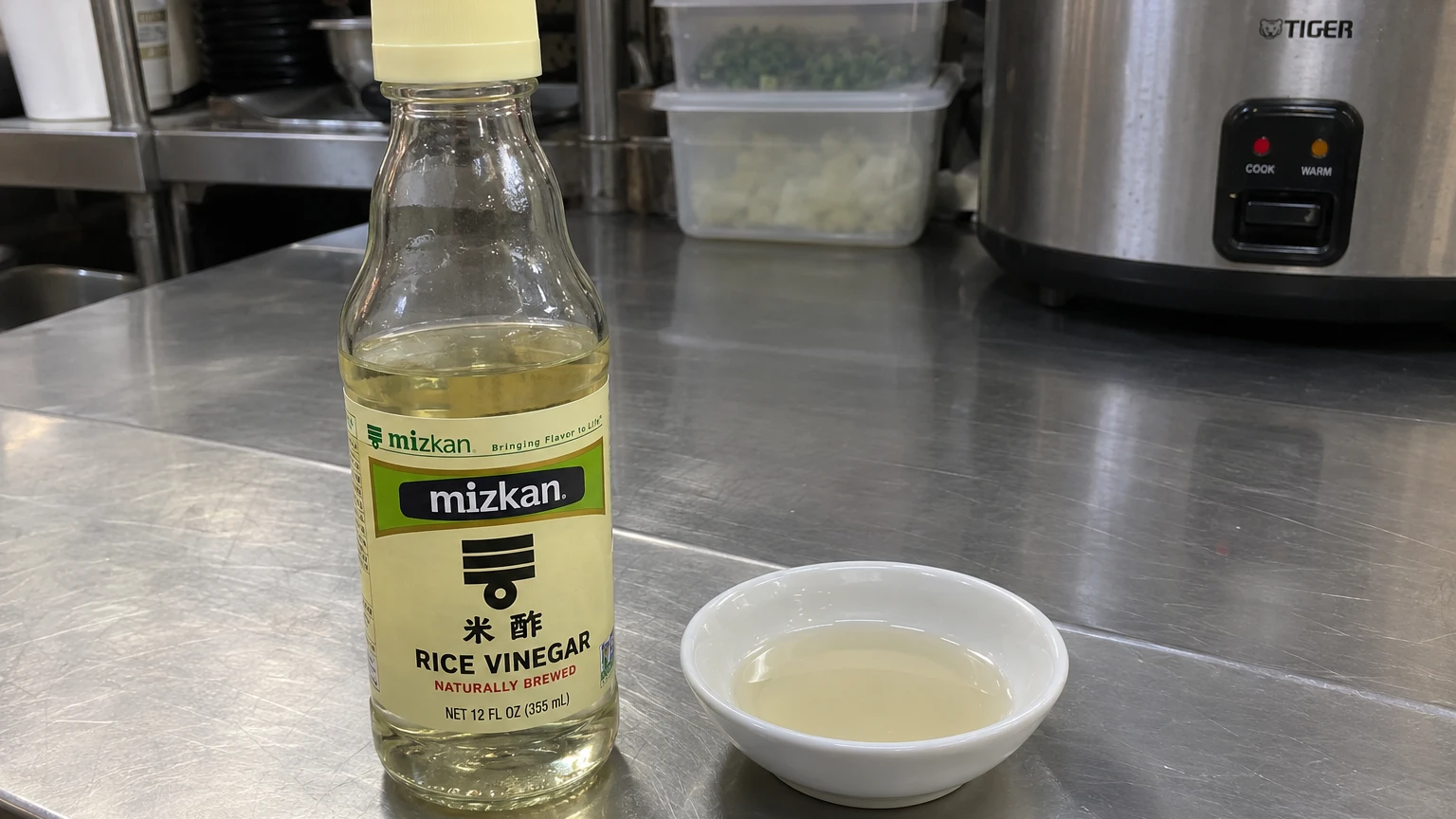
Generally, yes. The word “wine” in that name doesn't make it a cooking wine. Check whether the product is seasoned.
Is rice vinegar the same as mirin?
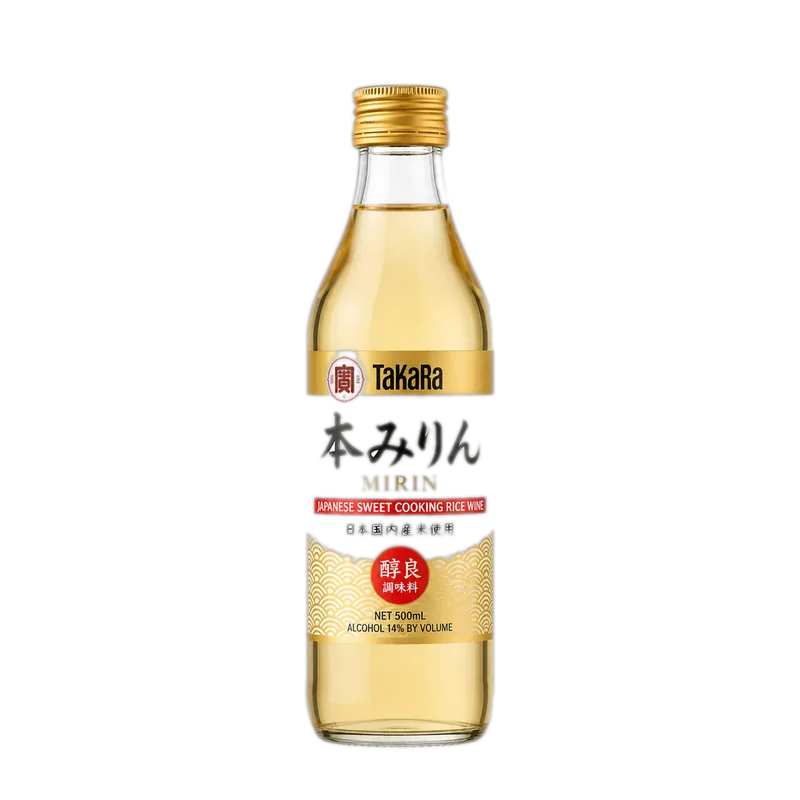
No. Vinegar adds sourness; mirin mainly adds sweetness and cooking aroma. They aren't direct replacements.
Can I use rice vinegar instead of white vinegar?
Often, for flavour in cooking or dressings, with adjustment. Don't substitute casually in preserving recipes that depend on a specified acidity.
Do I need seasoned rice vinegar for sushi?
You can use a prepared sushi seasoning, or make a measured seasoning from plain rice vinegar, sugar and salt using a reliable recipe.
Rice vinegar is a vinegar made through fermentation using rice. It adds a clean sour flavour to dressings, dipping sauces and cooking sauces. Rice vinegar and rice wine vinegar generally mean the same thing. Rice wine and mirin are different ingredients. For an adaptable starter pantry, choose a plain, unseasoned rice vinegar. (The Woks of Life’s rice vinegar guide)
When a sauce tastes salty and sweet but still feels heavy, it may need a little acidity. Rice vinegar is useful because it lets you add that lift without also adding chilli, lots of colour or a particularly fruity flavour.
What does rice vinegar taste like?
Plain pale rice vinegar is usually gentle-tasting compared with a sharply pungent distilled white vinegar. It still tastes sour: “mild” doesn't mean you should drink it or pour without measuring.
Rice vinegar is made by converting rice-derived sugars to alcohol, then converting alcohol to vinegar acids. The finished flavour can vary with the ingredients and production style. Some are clear, some pale gold, and brown rice versions can have a fuller character. (Just One Cookbook’s rice vinegar introduction)
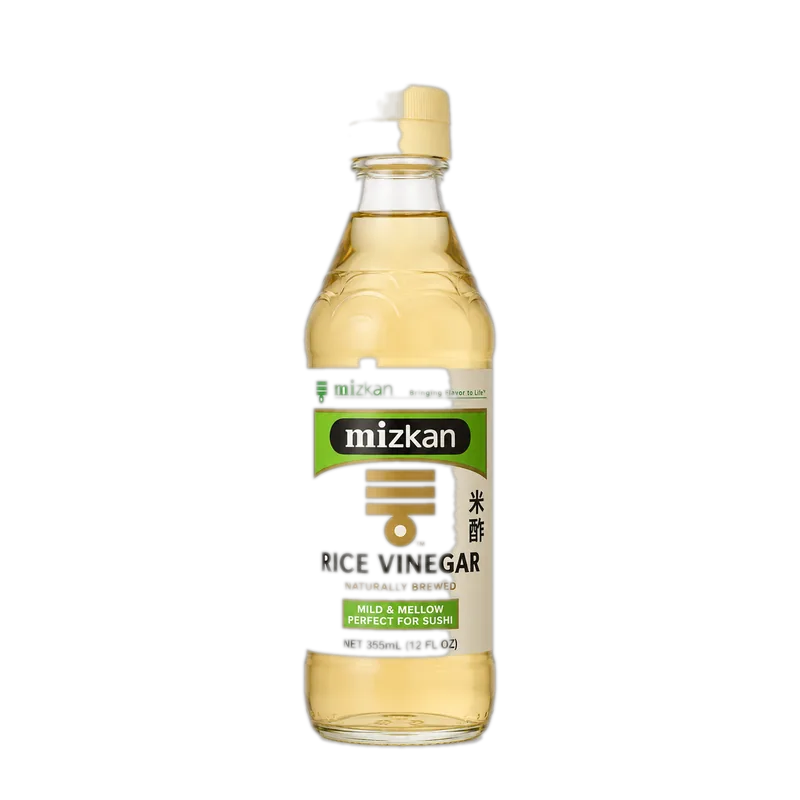
Manufacturer Mizkan describes its plain rice vinegar as naturally brewed from rice and suitable for dressings, marinades and sushi applications. The important shopping distinction is whether you are buying that plain vinegar or a product with seasoning already added. (Mizkan Rice Vinegar)
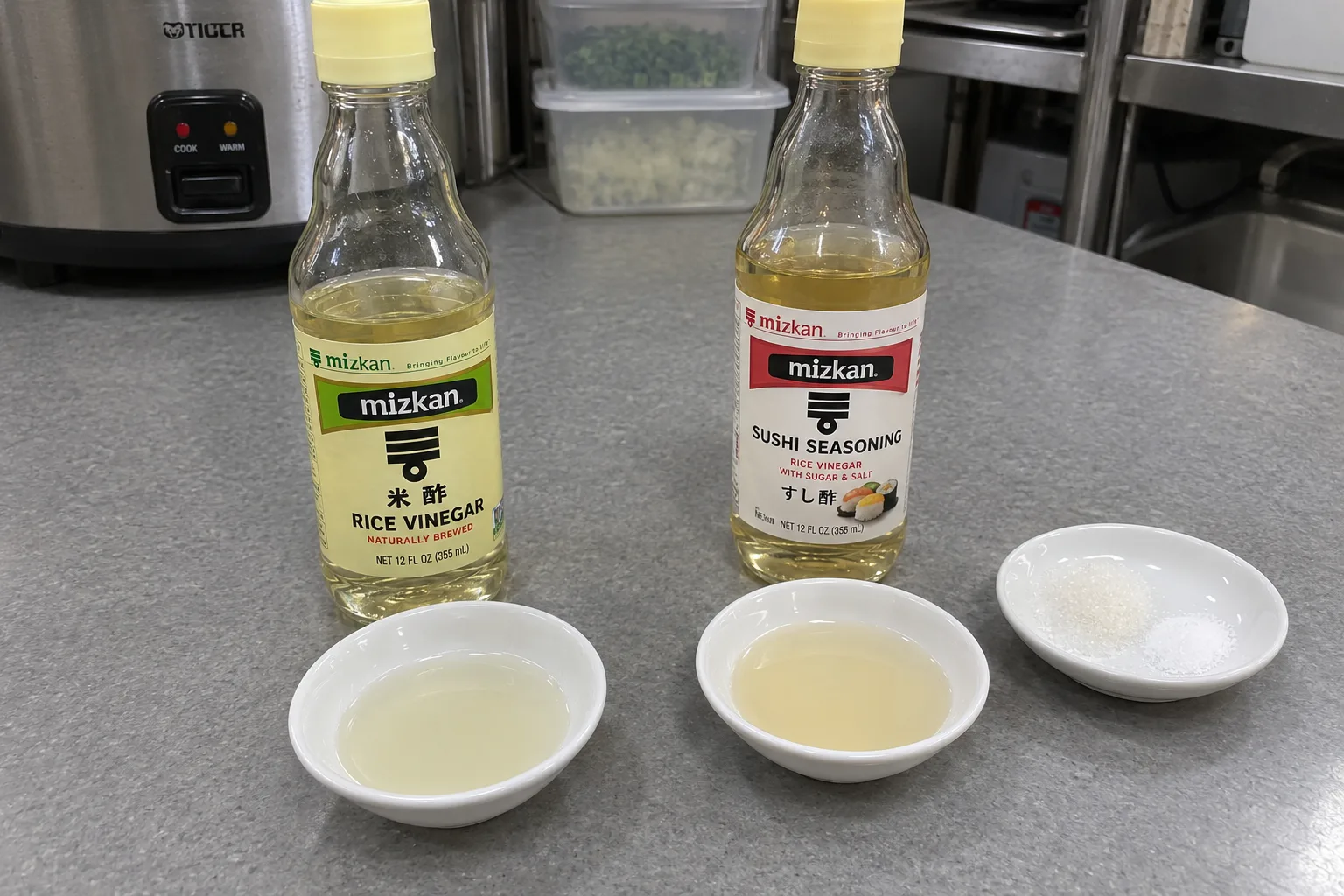
Unseasoned rice vinegar versus sushi vinegar
| Label | What's inside | What that means in the kitchen |
|---|---|---|
| Plain or unseasoned rice vinegar | Vinegar without the sushi-style sugar-and-salt seasoning | You control the sweetness and salt |
| Seasoned rice vinegar | Rice vinegar with seasonings, commonly sugar and salt | Account for those additions before seasoning again |
| Sushi vinegar or sushi seasoning | A prepared mixture intended to season sushi rice | Use the pack's rice-to-seasoning directions |
| Mirin | A sweet rice-based cooking seasoning or wine, depending on type | Supplies sweetness and aroma instead of vinegar's sourness |
Marukan explains that its seasoned vinegar has sugar and salt added. That makes it convenient, but it changes what happens when a recipe already includes sugar and soy sauce. (Marukan’s product FAQs)
How to choose rice vinegar in Australia
For your first bottle, look for “rice vinegar” and check that it is unseasoned. The ingredient list is the quickest way to spot added sugar and salt. A bottle can be useful even when its front label doesn't use the word “unseasoned”.
Choose the style for the recipes you cook. A plain Japanese or Chinese pale rice vinegar is a flexible everyday option; black vinegar brings a more distinctive flavour and colour. If a recipe specifies a particular vinegar, use that as your first guide.
Check the acidity percentage when it is supplied. Don't assume every vinegar has the same strength because the bottles look similar. This matters especially when you are substituting something else.
Compare prices per 100 mL and buy a size you can store comfortably. A small bottle with a secure cap is enough to begin learning. If you repeatedly make dressings and dipping sauces, you can buy more confidently next time.
Pure rice-based vinegar may suit a gluten-free kitchen, but mixed-grain vinegars and seasoned products require their own checks. Read the current label rather than extending a claim from one producer to every bottle on the shelf.
How to use rice vinegar
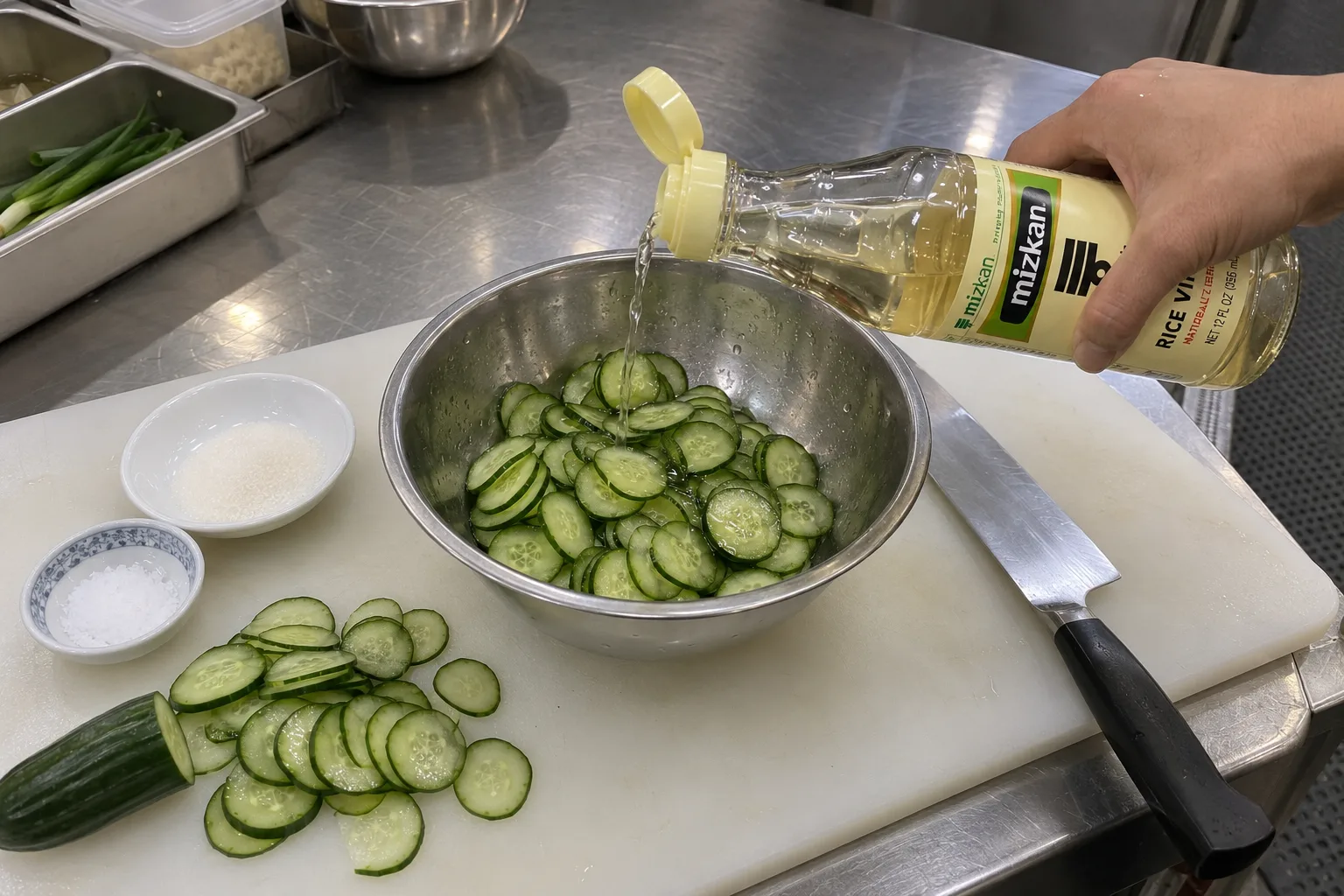
Start by measuring into a separate bowl. In a dressing, that lets you adjust the sourness before it reaches all your salad. In a hot dish, it avoids an accidental oversized splash.
For a simple cucumber side, mix 2 teaspoons unseasoned rice vinegar, 2 teaspoons water, a small pinch of sugar and a small pinch of salt. Toss with a sliced cucumber and taste. Add a few drops of toasted sesame oil if you like. This is an immediate serving idea, not a preserving recipe.
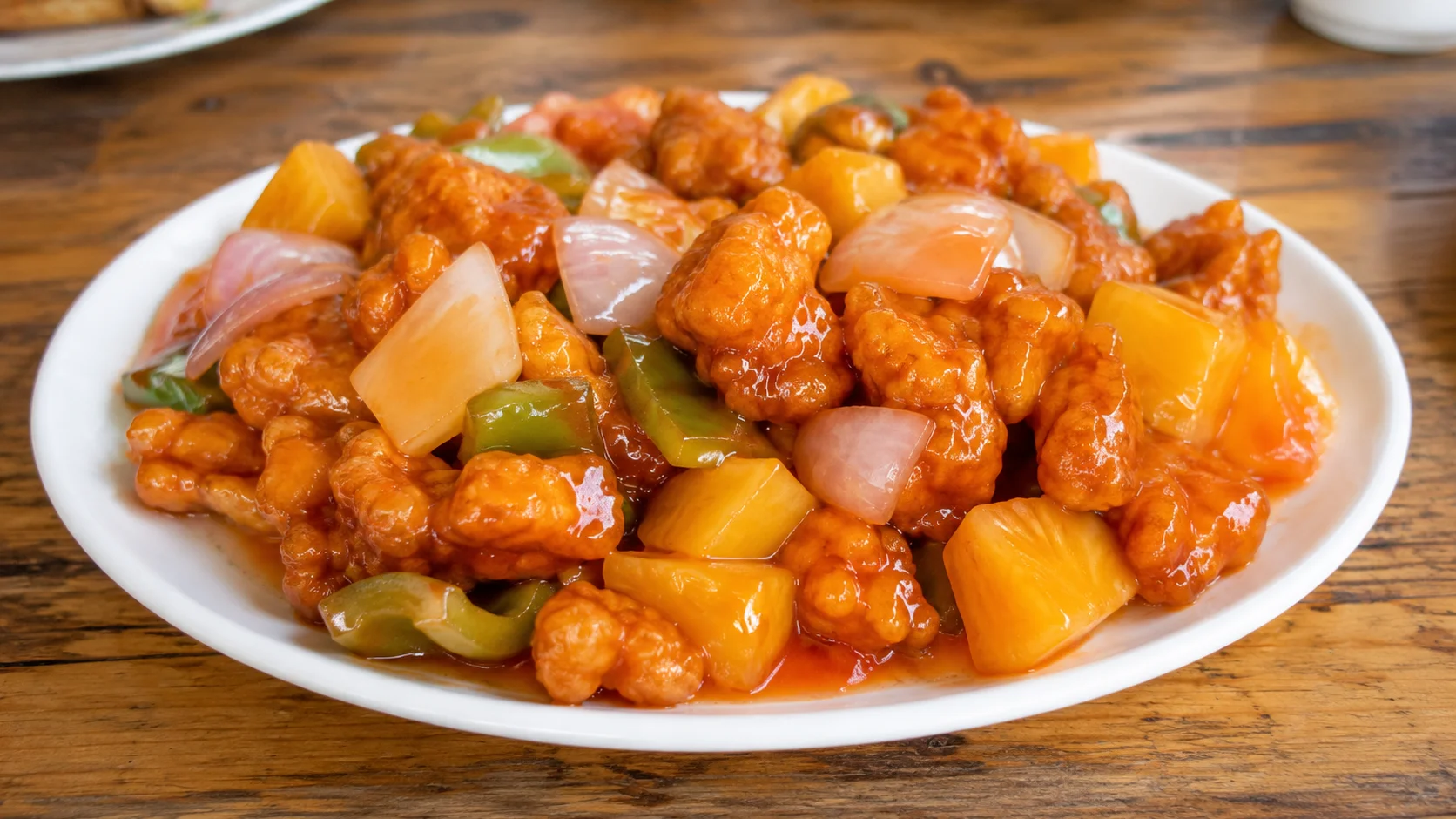
For a noodle dressing, combine vinegar with light soy and water, then adjust sweetness and chilli after tasting. For a sweet-sour cooking sauce, add it to the sauce mixture and judge the cooked result; different balances work for different dishes.
To brighten a rich finished stir-fry, try a few drops on a spoonful first. If it helps, add a small measured amount to the pan. This little test is more useful than deciding the entire dish needs another full spoonful of everything.
Rice vinegar also belongs in sushi-rice seasoning, usually with sugar and salt, or as part of a ready-made sushi vinegar. Use a reliable recipe for the rice quantity and handling rather than treating any splash of vinegar as a food-storage method.
What can you substitute for rice vinegar?
For a small quantity in a dressing or stir-fry sauce, white wine vinegar or apple cider vinegar can work. Start with less and taste, because both flavour and acidity can differ. Cider vinegar introduces a fruity note; that may suit a slaw more than a delicate dip.
Distilled white vinegar can be more assertive. Use a smaller amount first and dilute the dressing if needed. Don't try to calculate a universal conversion without knowing the products' strengths.
Seasoned rice vinegar can sometimes replace plain rice vinegar if you reduce the other sugar and salt. Mirin cannot provide the same sourness. Black vinegar can provide acidity, but it also brings dark colour and a malty flavour, which should be a deliberate choice.
These swaps are for flavour in everyday cooking. For shelf-stable pickles or preserving, use the exact vinegar strength and quantities required by a validated recipe.
Storage
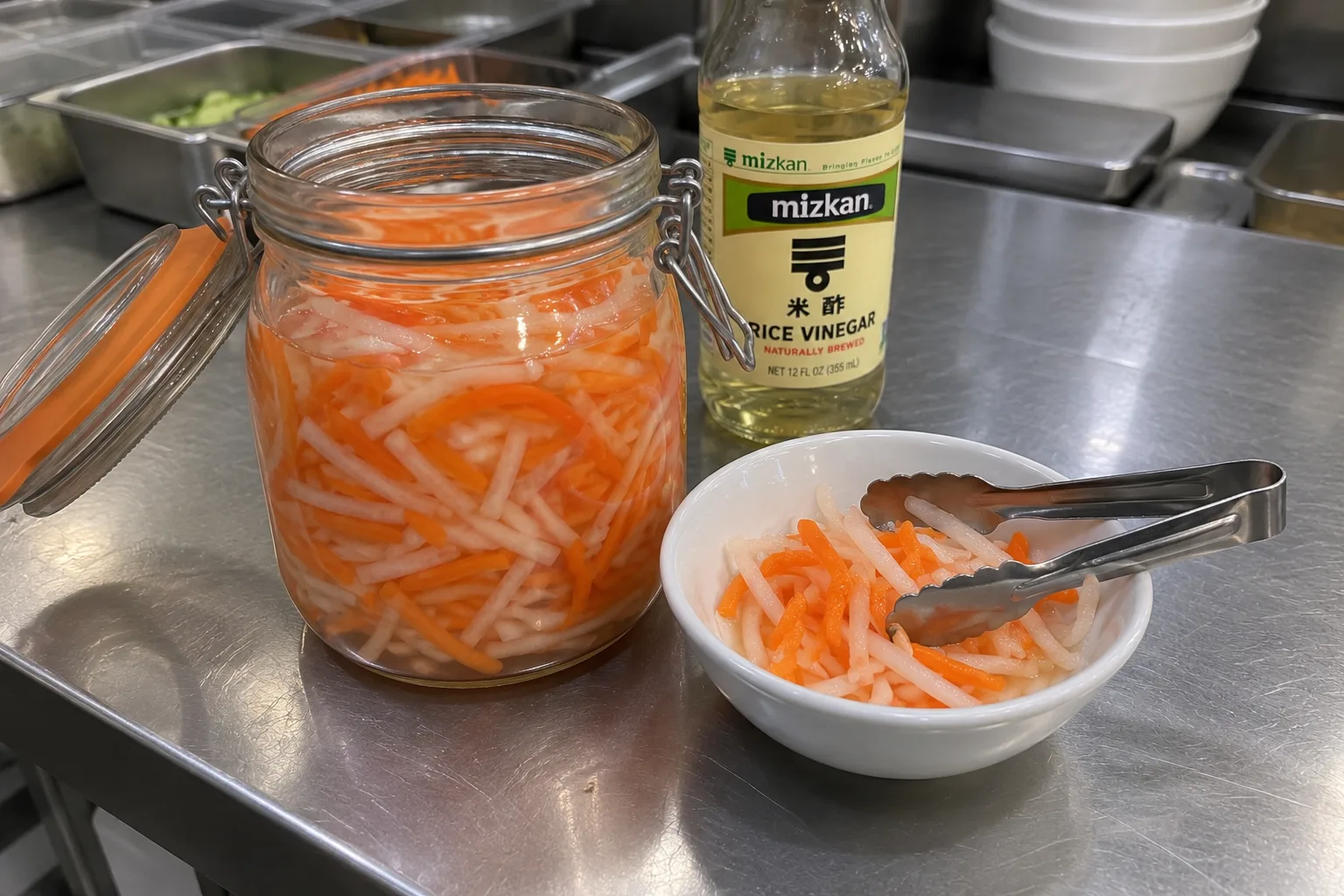
Keep unopened vinegar cool, tightly closed and out of direct sunlight. After opening, follow the manufacturer's instructions. Marukan recommends refrigeration to preserve the freshness of its rice vinegars. Keep the bottle clean and avoid returning unused dressing to it. (Marukan’s storage advice)
Once vinegar is mixed with fresh cucumber, garlic or other food, that mixture has its own storage needs. It doesn't inherit the unopened vinegar bottle's shelf life.
Sources and further reading
The linked sources explain naming, fermentation, cooking uses, seasoning differences and manufacturer-specific storage. Acidity and ingredients vary across products.