Light soy sauce: the everyday seasoning your pantry needs
Learn what light soy sauce is, how it differs from dark soy, what to buy in Australia, and how to use, substitute and store this pantry staple.
Is light soy sauce the same as normal soy sauce?
In many Chinese recipes, yes: light soy is the everyday seasoning soy. An unqualified supermarket “soy sauce” may be a Japanese or another style, so check the label and recipe notes.
Is light soy sauce gluten-free?
Often it isn't, because wheat is commonly used. Buy a bottle explicitly labelled gluten-free if needed.
Can I use light soy sauce instead of dark soy sauce?
You can often keep cooking with light soy, but the food will be paler and taste different. Don't keep adding it to chase a darker colour.
Which soy sauce should I buy first?
For a Chinese-style starter pantry, light soy earns its space through frequent use. Add dark soy when you want to cook recipes that call for its colour and flavour.
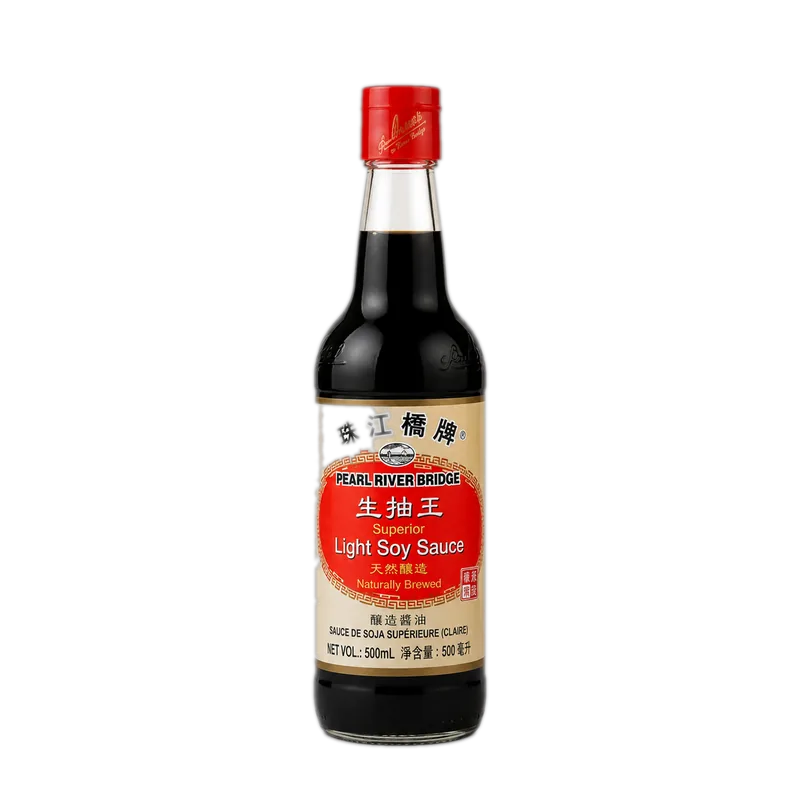
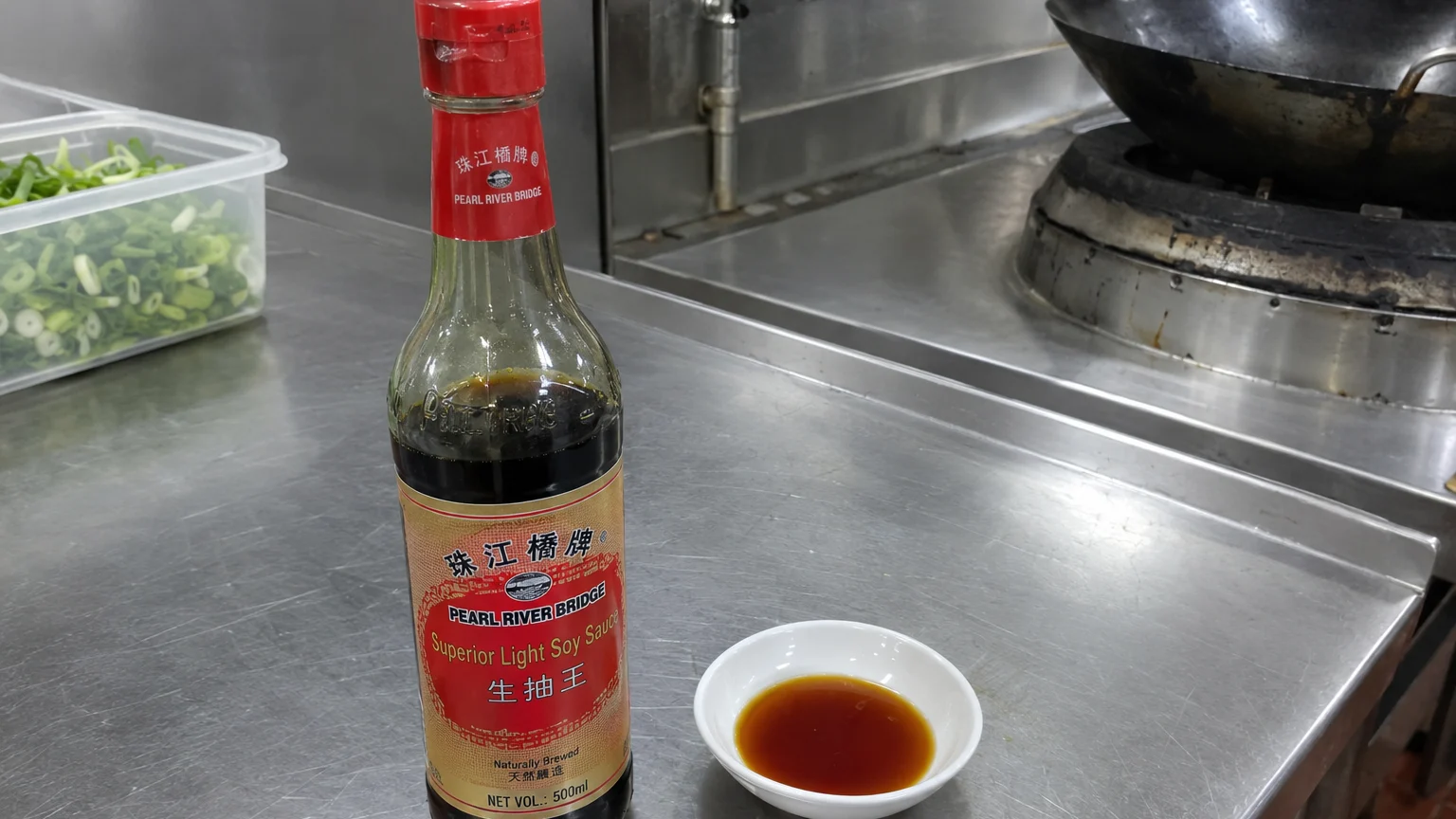
Light soy sauce is a thin, salty, savoury seasoning used widely in Chinese cooking. It adds flavour to stir-fries, marinades, noodles and dipping sauces without the deep colour of Chinese dark soy sauce. Here, “light” describes the style and colour; it does not mean reduced salt. (The Woks of Life’s soy sauce guide)
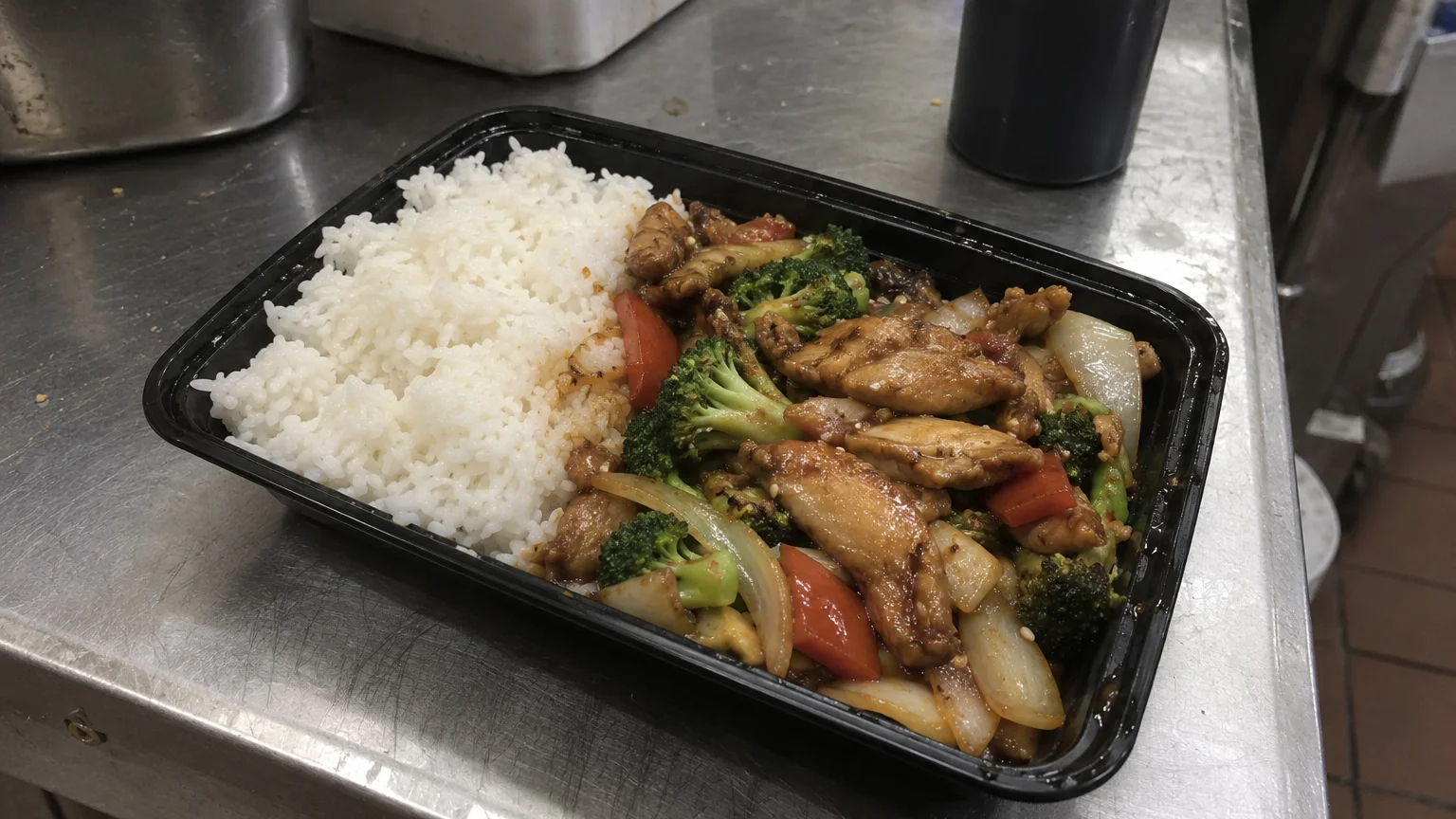
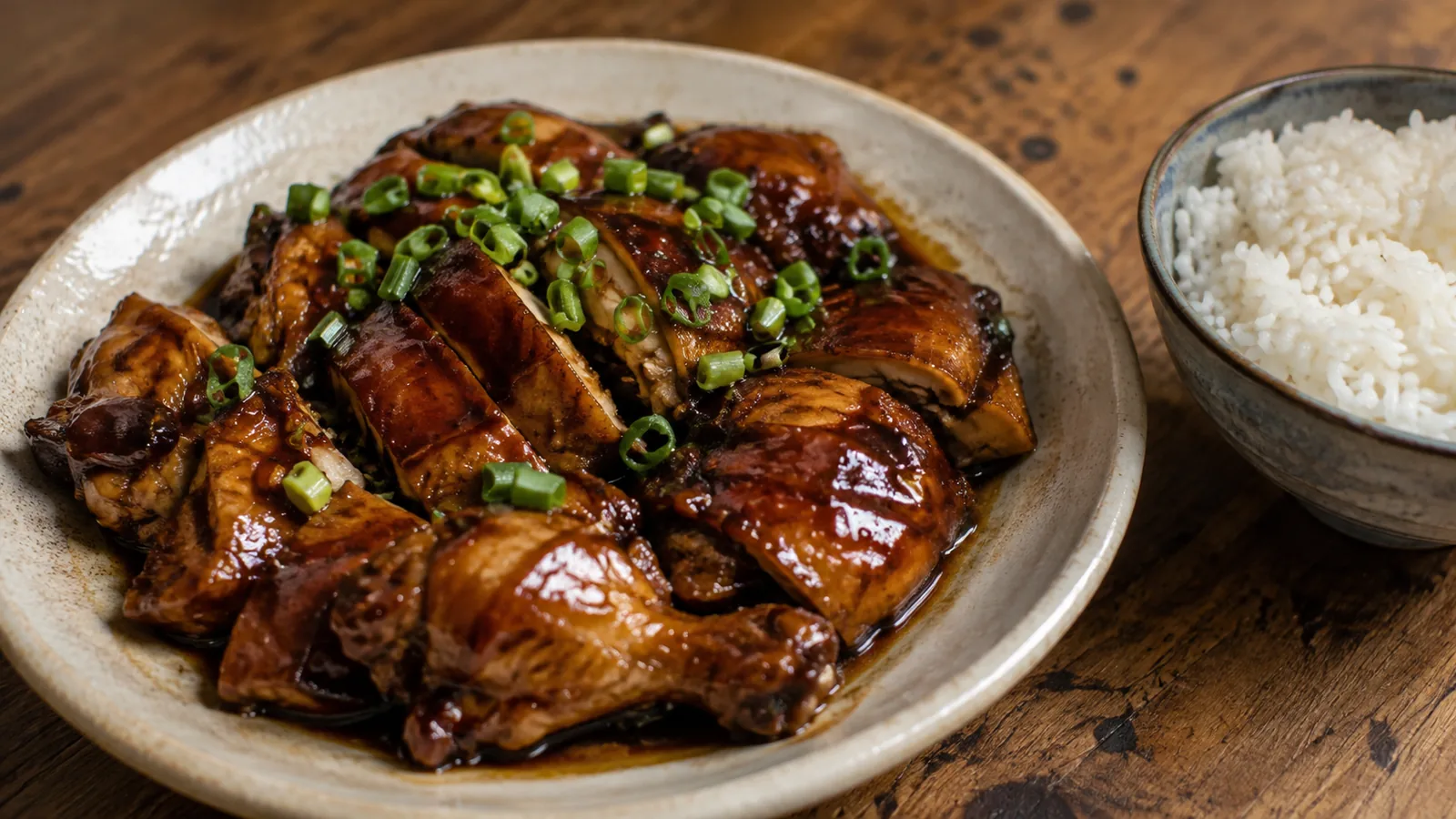
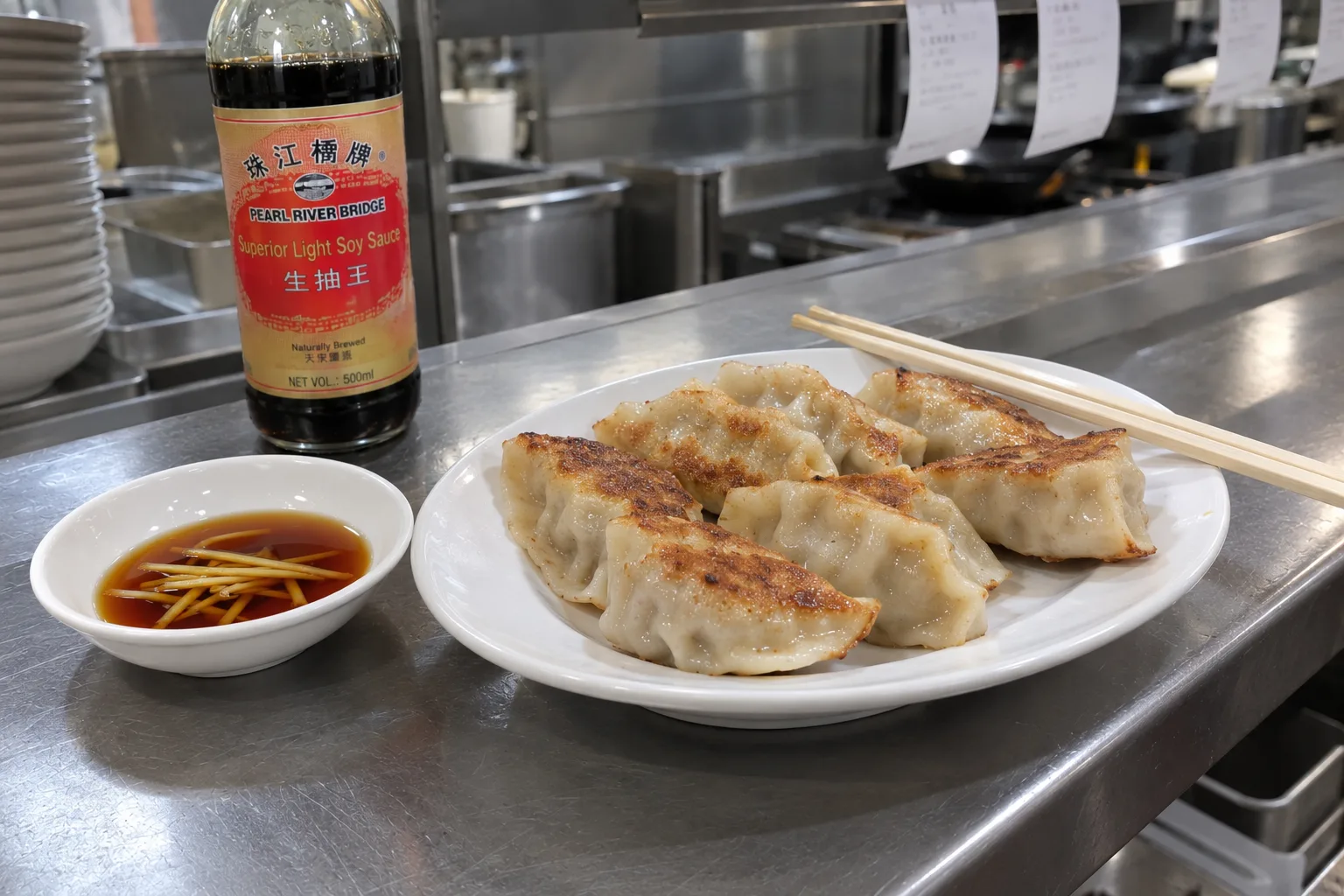
If you're building a DIY takeaway pantry, this is a sensible first bottle. It can season Tuesday night's chicken and broccoli, wake up a bowl of noodles and become a dumpling dip with one or two additions. The useful bit is knowing what job it does before you start pouring.
What does light soy sauce taste like?
Expect a clear salty hit, followed by savoury depth and a fermented aroma. It is more interesting than simply adding salt, but it still contributes plenty of saltiness. Start with a little, particularly if your dish also contains oyster sauce, stock powder or salted noodles.
Chinese light soy is often called sheng chou. Brewing commonly involves soybeans, wheat, water and salt, although finished ingredients vary. For an Australian label example, Lee Kum Kee Premium Soy Sauce lists water, soybeans, salt, sugar and wheat flour. Its name does not include “light”, which shows why the front label alone can be confusing. (Lee Kum Kee Australia)
Light soy sauce versus the other bottles
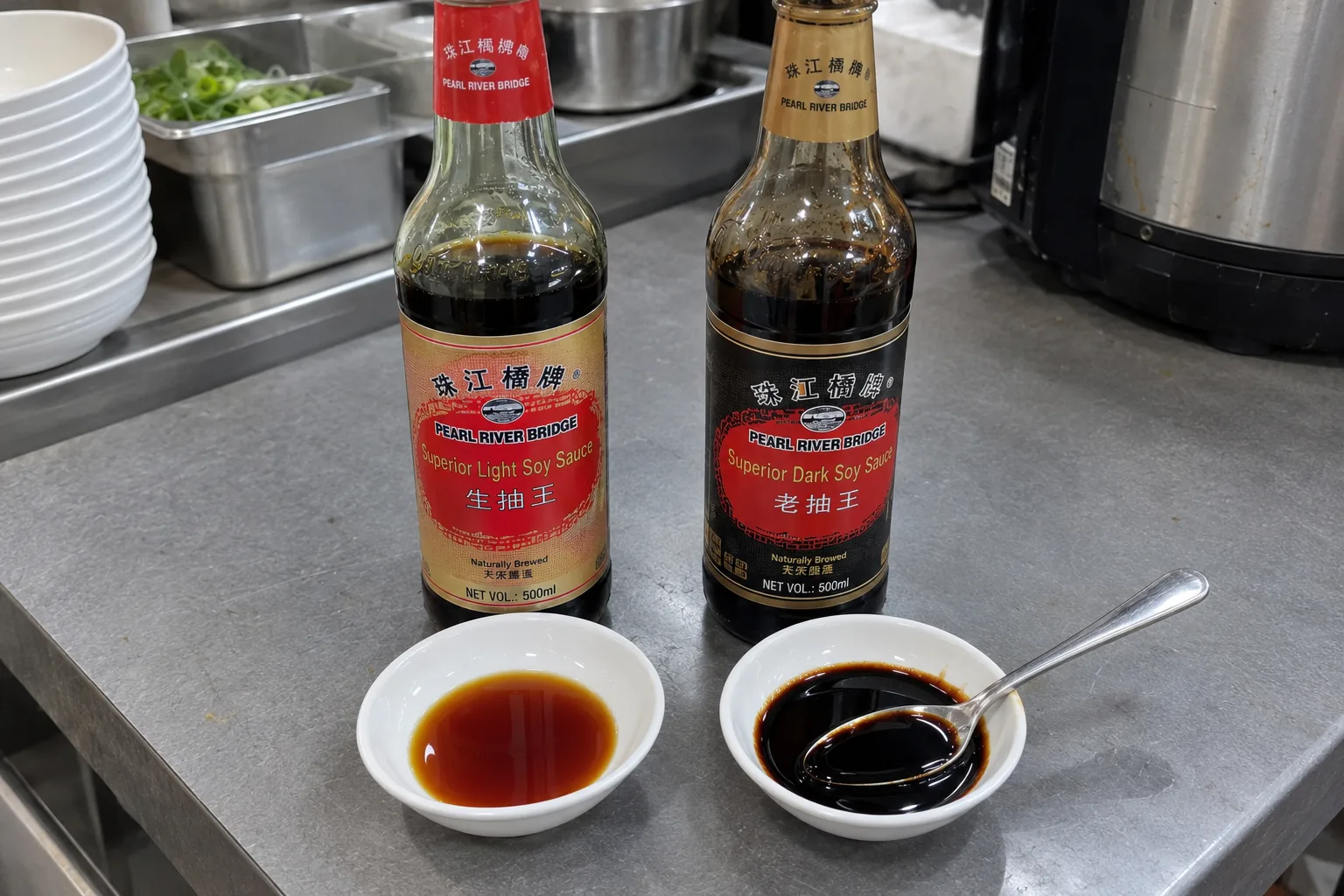
| Type | Main kitchen job | What to watch |
|---|---|---|
| Chinese light soy | Everyday seasoning, marinades and dips | Light is not a low-salt claim |
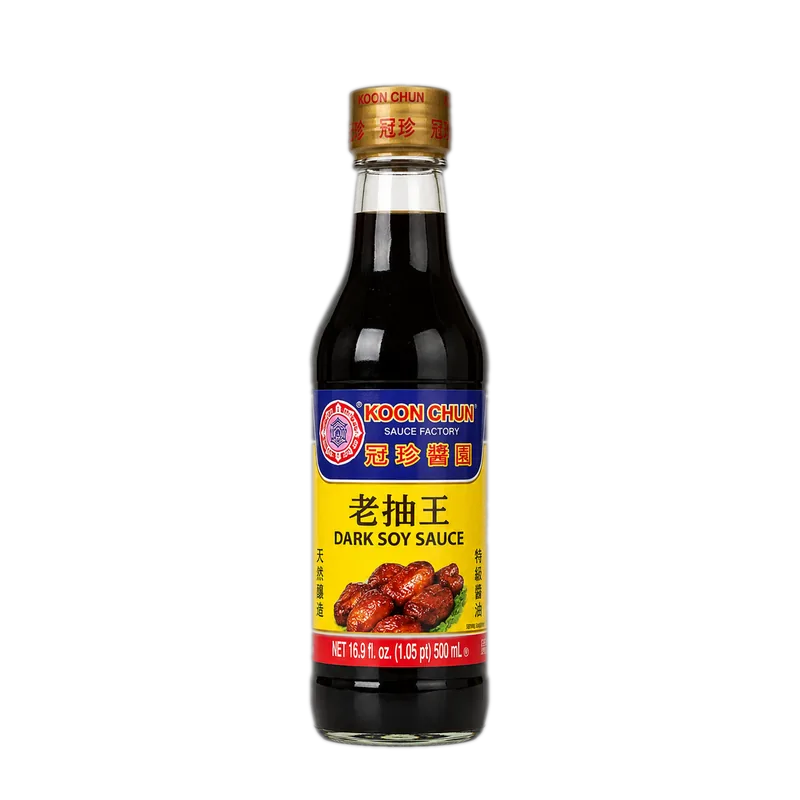
| Chinese dark soy | Deep brown colour and a fuller flavour | Use the smaller quantity a recipe specifies |
| Japanese regular soy, usually koikuchi | Japanese cooking and table seasoning | A useful stand-in in many everyday dishes, with a different flavour |
| Japanese light soy, usukuchi | Seasoning while keeping food paler | A separate Japanese style; don't assume the Chinese recipe means this |
| Reduced-salt soy | Seasoning with less sodium than that product's regular version | Compare labels; the reduction is product-specific |
Japanese and Chinese naming systems do not line up neatly. Japanese regular “dark” soy is not the thick, colouring Chinese dark soy used in a noodle sauce. (Just One Cookbook’s Japanese soy guide)
For a recipe that simply says “soy sauce”, regular all-purpose or Chinese light soy is usually a practical starting point. Check the recipe's own ingredient notes first, especially for a particular regional dish. (RecipeTin Eats’ comparison)
How to choose light soy sauce in Australia
Start with the intended use. For Chinese-style stir-fries, choose a bottle clearly identified as Chinese light soy or a regular Chinese brewing style. A bottle labelled naturally brewed gives you useful information about production; a gold cap or the word “premium” on its own tells you less.
Turn it around and read the ingredients. Soybeans and wheat are common; sugar or other seasonings may also appear. Judge the bottle by the flavour you want and the dishes you cook, rather than treating a short ingredient list as a guarantee of superiority.
Compare sodium per 100 mL between products using the same unit. A tiny serving size can make one nutrition panel look gentler than another. If reduced salt is your priority, buy a product that explicitly makes that claim instead of relying on the word “light”.
For your first purchase, choose a manageable bottle with a controlled pour. A large catering container is poor value if you struggle to measure from it or take years to finish it. Supermarket international aisles and Asian grocers are useful places to compare styles; specialist grocers generally offer more choice.
For gluten-free cooking, choose an explicitly gluten-free product. Tamari can be an option, but the name alone is not a guarantee. Plain light soy is commonly vegan; flavoured varieties still need their own ingredient check.
How to use it without oversalting dinner
Think of light soy as part of the dish's seasoning budget. Measure it into a small bowl with the other sauce ingredients before the pan gets busy. This makes it easier to notice that you've already included another salty sauce.
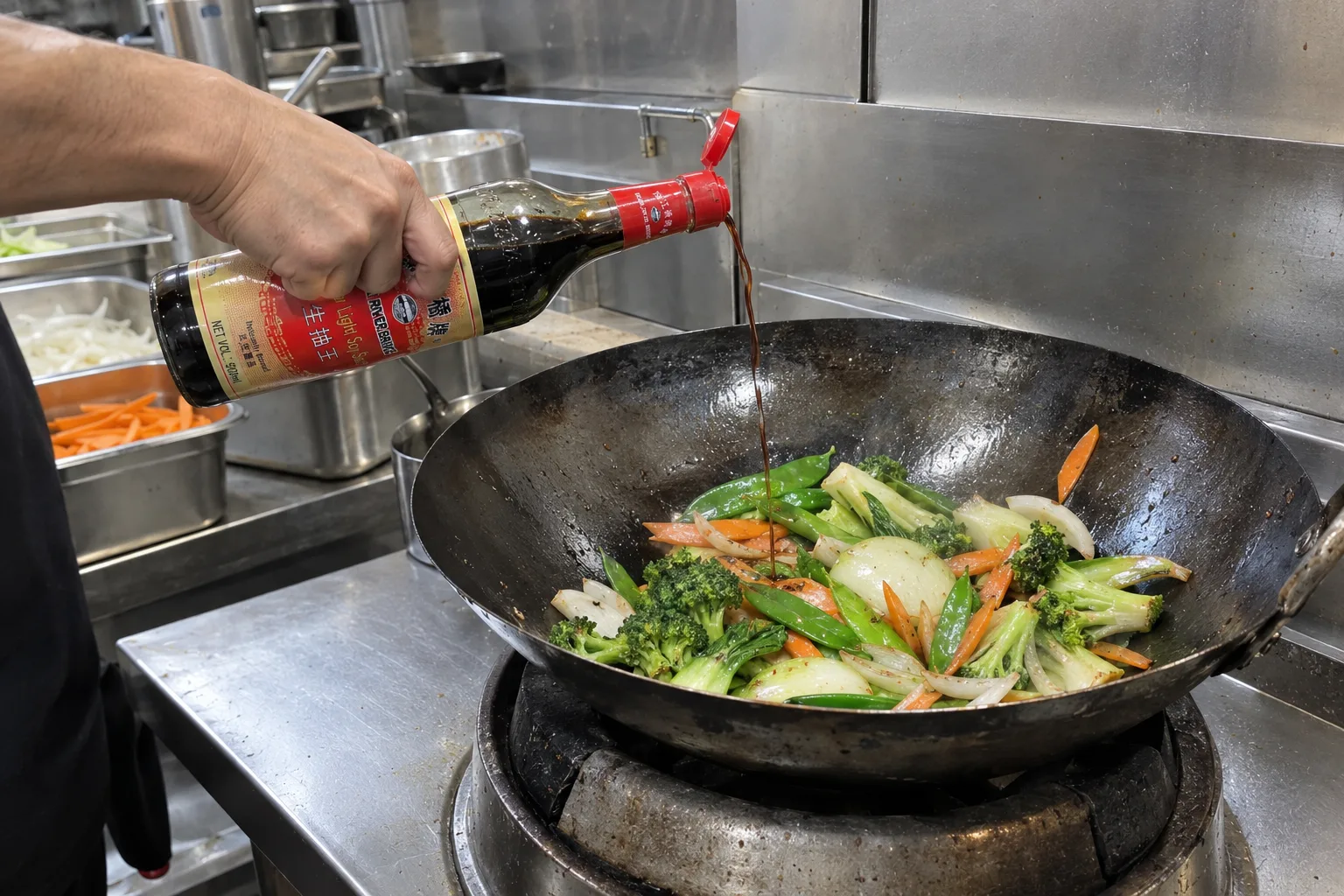
For a simple vegetable stir-fry, start with 1 teaspoon light soy and 2 teaspoons water for one generous serving. Cook the vegetables in a little neutral oil, add the mixture towards the end and toss. Taste a cooked piece before adding more. This is a starting point, rather than a fixed sauce ratio for every brand.
For noodles, mix the seasoning separately and loosen it with a little hot water before tossing through. For a dip, begin with light soy and rice vinegar, then decide whether you want ginger, chilli or a few drops of sesame oil. For a marinade, hold some clean sauce aside if you want a finishing drizzle; sauce that has touched raw meat belongs in the cooking step.
The common mistake is adding extra soy because dinner looks pale. If the dish tastes properly seasoned but needs the brown colour shown in a Chinese recipe, check whether that recipe calls for dark soy.
What can you substitute for light soy sauce?
Regular Japanese all-purpose soy is a practical alternative for many home stir-fries and marinades. Start with slightly less, taste the cooked food and adjust. The result will have its own character.
A suitable gluten-free soy sauce or tamari can fill the seasoning role when required. Coconut aminos are often sweeter and less salty, so they need rebalancing. Fish sauce brings a distinct fermented fish flavour and is a deliberate change, rather than an invisible swap. Avoid replacing all the light soy with Chinese dark soy: colour and flavour can become overpowering before the seasoning feels balanced.
How to store light soy sauce
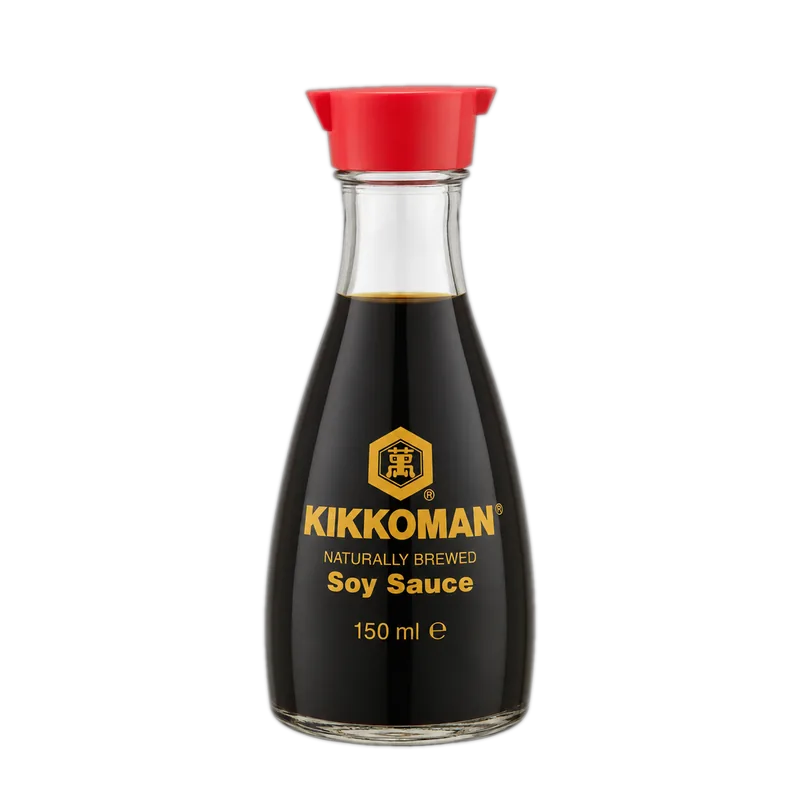
Keep unopened bottles away from heat and sunlight. After opening, follow the bottle's directions; refrigeration is a good way to preserve the flavour of many brewed soy sauces. Kikkoman specifically recommends it for its naturally brewed soy. Keep the cap clean and close it promptly. (Kikkoman’s storage advice)
Sources and further reading
The linked references support the style distinctions, label example and storage guidance. Brand formulas vary by market; use the current Australian pack for product-specific decisions.