Dark soy sauce: how to get that rich takeaway colour
Discover what dark soy sauce does, how it differs from light soy and kecap manis, and how to choose, use, substitute and store it in Australia.
Is dark soy sauce saltier than light soy sauce?
There is no dependable answer across every brand. Sweetness can disguise saltiness. Compare sodium per 100 mL on the bottles you are buying.
Is dark soy sauce the same as kecap manis?
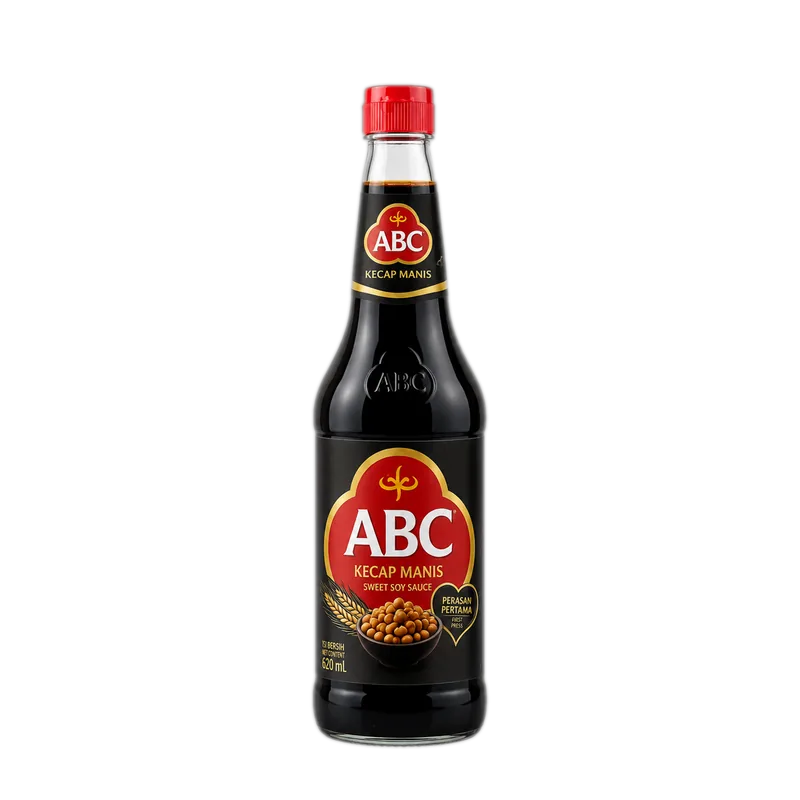
No. Kecap manis is a sweet, syrupy Indonesian soy sauce. Using it changes the sugar balance and consistency.
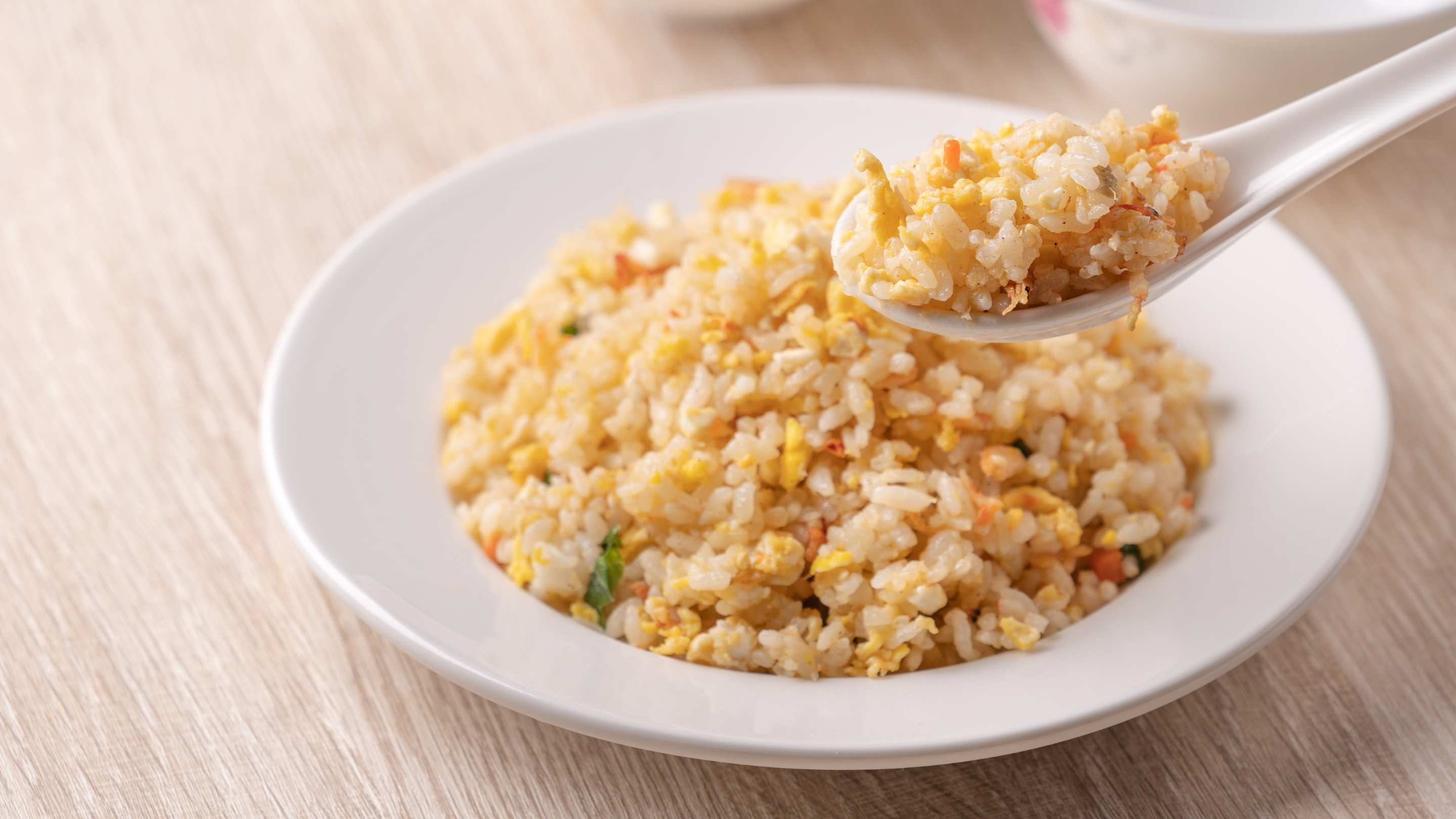
Can I use dark soy for fried rice?
Yes, when the recipe calls for it or you want that flavour and colour. Measure sparingly so it doesn't dominate the rice.
Is dark soy sauce gluten-free?
Some products are; others contain wheat. Choose an explicitly gluten-free bottle if required.
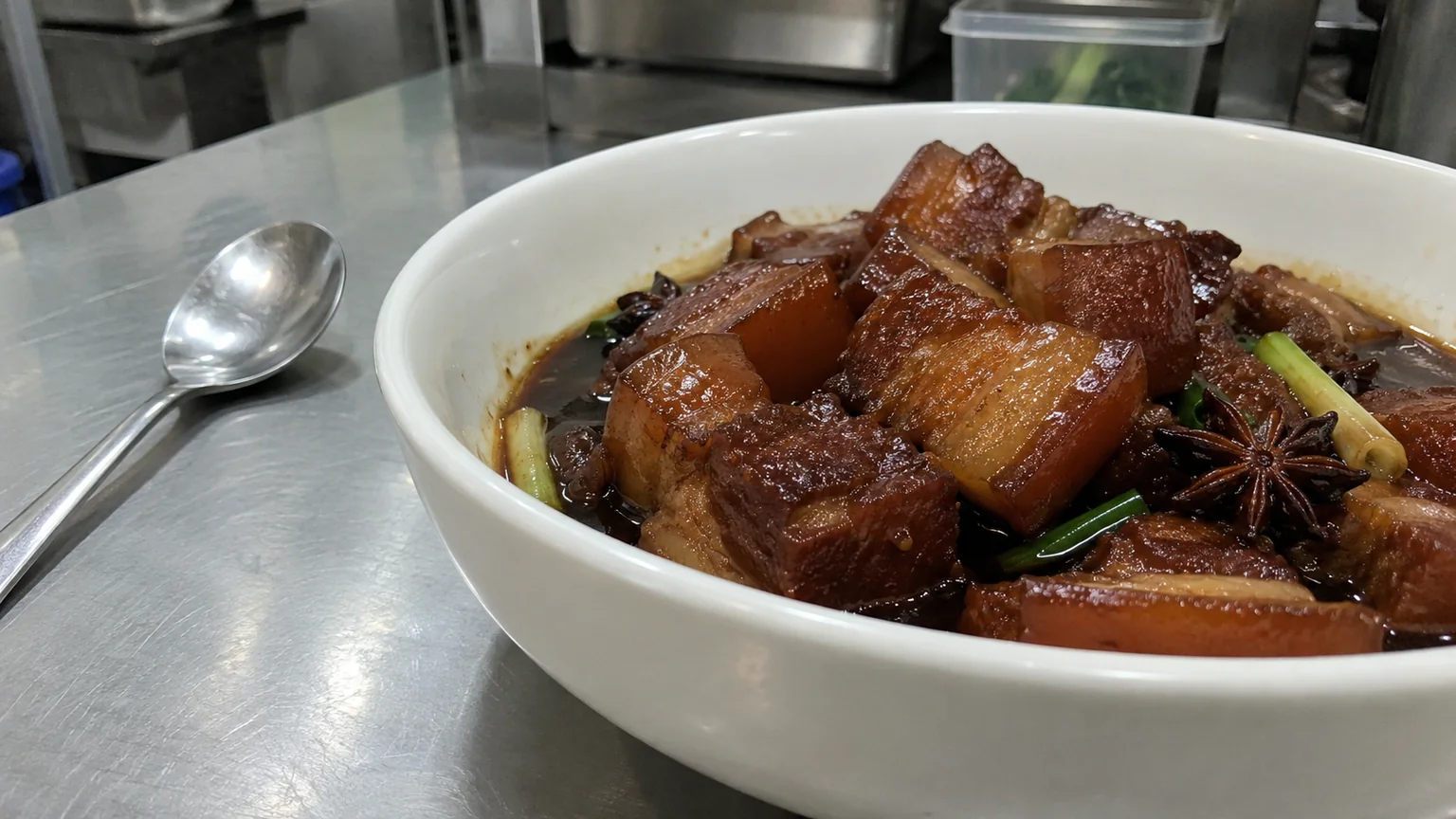
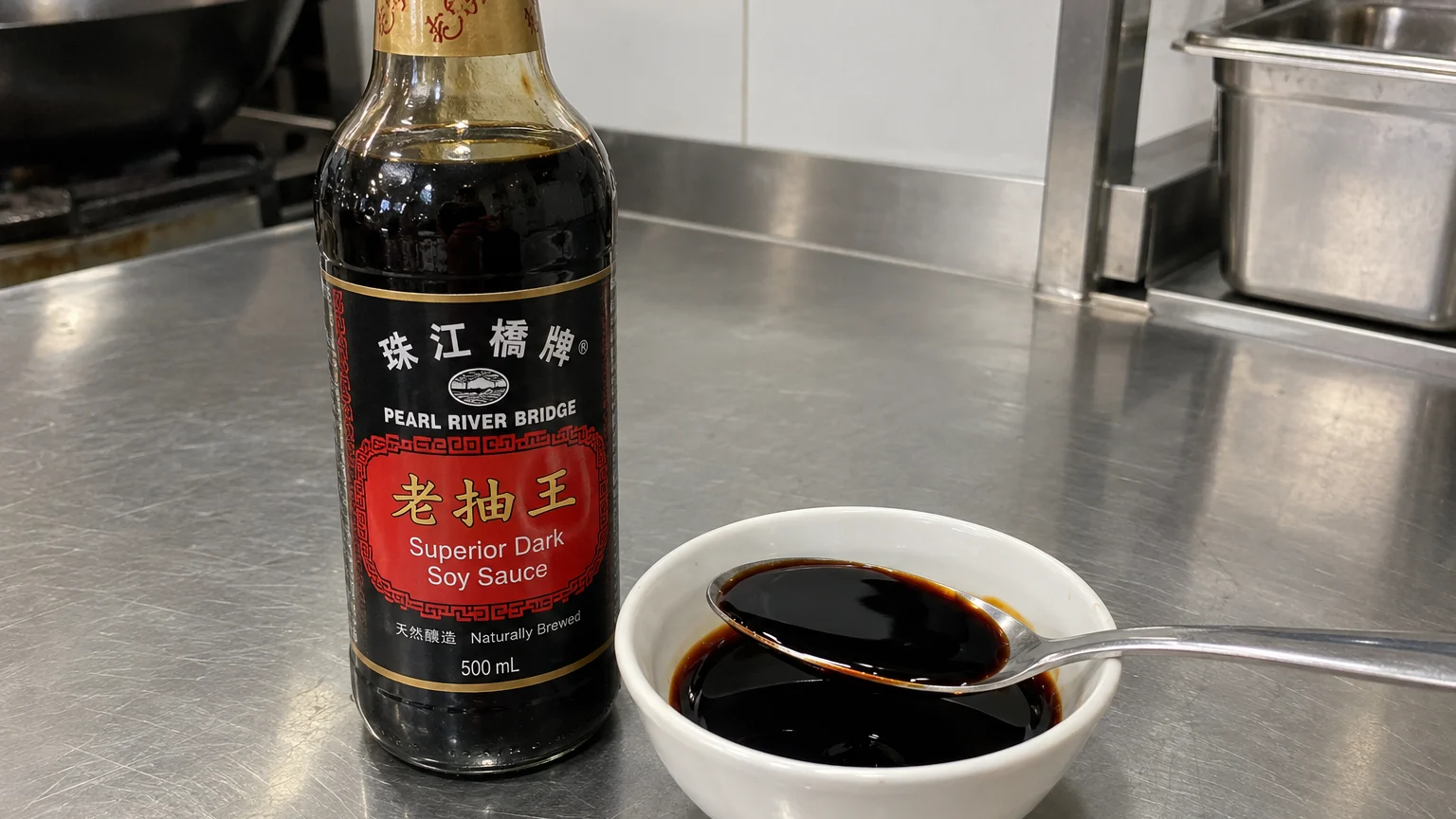
Chinese dark soy sauce is a deeply coloured seasoning used in small quantities to give noodles, braises and sauces a rich brown finish. It is generally fuller, slightly thicker and sweeter-tasting than Chinese light soy sauce. The two often work together: light soy handles much of the seasoning, while dark soy adds colour and its own flavour. (The Woks of Life’s dark soy guide)
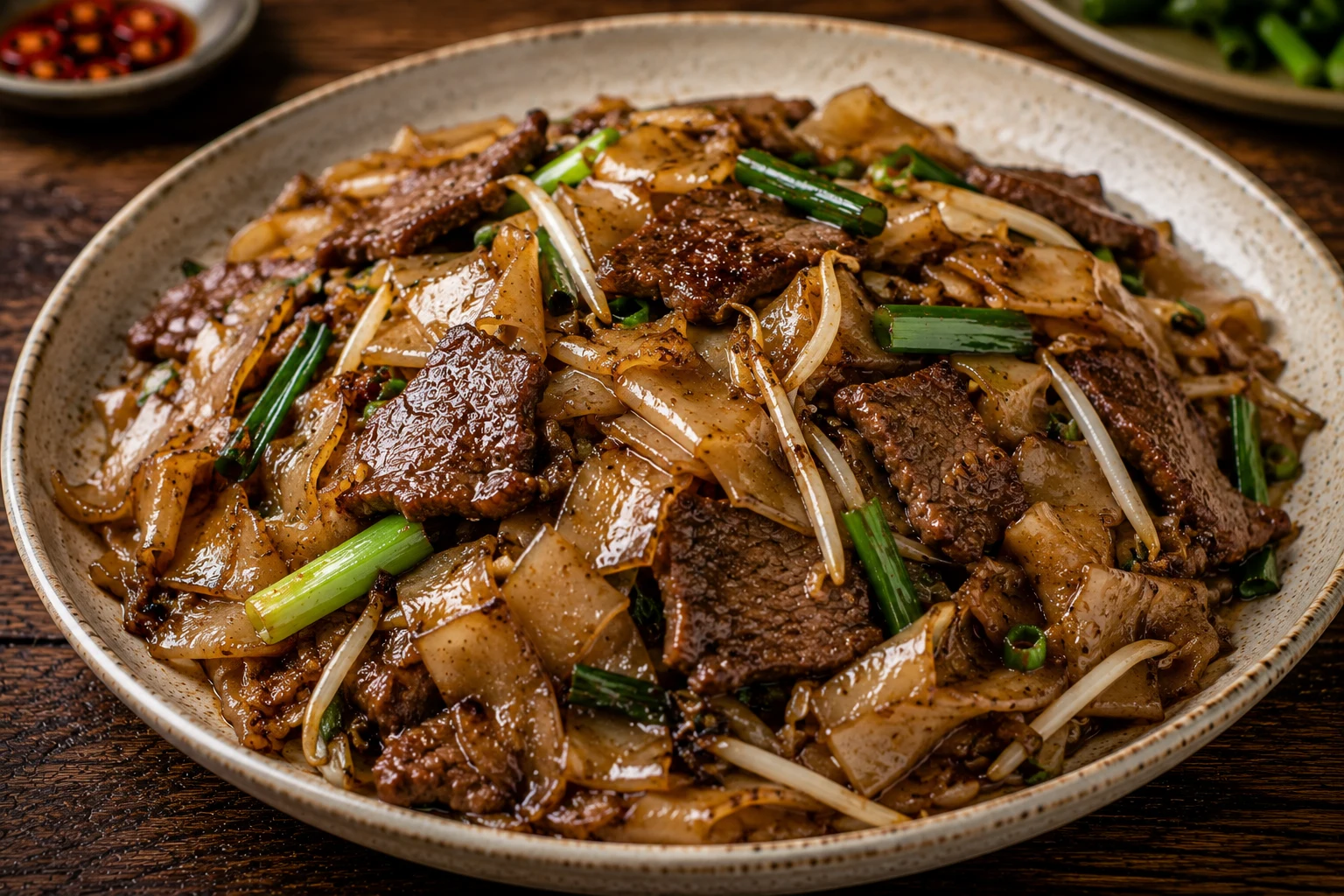
If your homemade noodles taste good but look nothing like the takeaway version, this might be the missing bottle. It won't create wok char or rescue soggy vegetables, but it can make a very visible difference.
What makes dark soy sauce different?
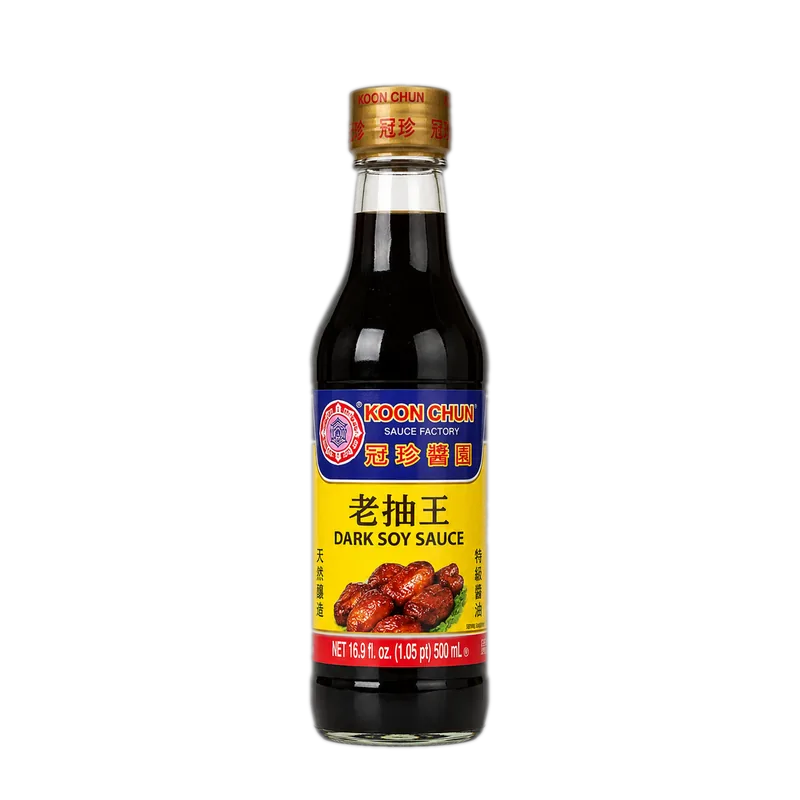
Dark soy is called lao chou in Chinese. It is a particular soy sauce style, rather than simply an ordinary sauce that happens to look dark in the bottle. Brewing and the finished formula both influence its flavour, consistency and colouring strength.
Some products include sugar, starch or caramel colour. That does not mean every dark soy is made to the same recipe. The Australian Lee Kum Kee Premium Dark Soy Sauce page, for example, lists water, colour (150a), soybeans, salt, corn starch and sugar, and labels that product gluten-free. A different brand or overseas version may contain wheat. (Lee Kum Kee Australia)
It is easy to assume that a sweeter-tasting sauce contains less salt. Don't use that assumption to measure it. Compare the sodium panels of the actual bottles; flavour, colour and sodium are different things.
Dark soy versus light soy, sweet soy and mushroom soy
| Bottle | What it brings | Can it replace Chinese dark soy? |
|---|---|---|
| Chinese light soy | Salty, savoury seasoning with less colour | Helps with seasoning, but won't reproduce the same colour |
| Chinese dark soy | Strong colour and a rounded soy flavour | The direct choice when a Chinese recipe requests it |
| Mushroom dark soy | Dark soy with added mushroom flavour | Usually useful, with a flavour adjustment |
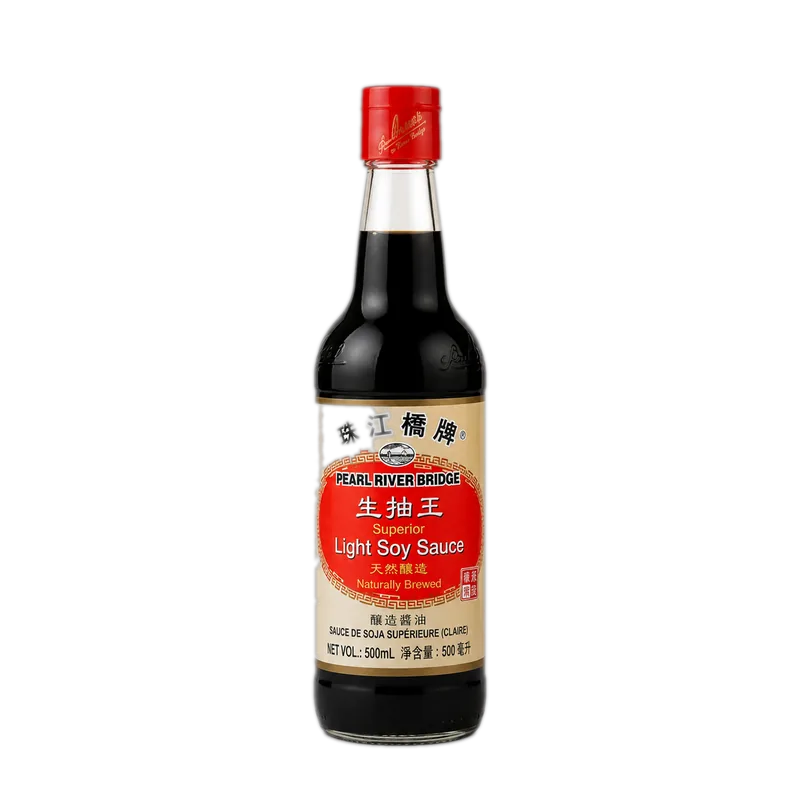
| Kecap manis | A notably sweet, syrupy Indonesian soy sauce | Changes sweetness and texture substantially |
| Japanese regular koikuchi | Everyday Japanese seasoning soy | Does not provide the same colouring effect |
Pearl River Bridge describes its mushroom dark soy as dark soy with mushroom extract added. It is an option if you enjoy that extra savoury note, rather than an essential upgrade. (Pearl River Bridge’s dark soy range)
The Japanese word “dark” can cause a second shopping trap: regular Japanese soy and Chinese dark soy play different roles. Buy by the specific style a recipe needs. (Just One Cookbook’s soy sauce guide)
How to choose a bottle
For a versatile first purchase, choose a plain Chinese dark soy. That gives you a useful reference point before experimenting with mushroom, double-black or sweetened versions.
Read the full product name. “Sweet soy”, “seasoned soy” and “dark soy” are not interchangeable descriptions. If a recipe names a particular Thai black soy, follow that recommendation where possible; a Chinese dark soy may change the result.
Check the label for ingredients that matter to your household. Many soy sauces contain wheat, but some Australian dark soy products are specifically gluten-free. Neither colour nor thickness can answer the allergy question. Soy itself is also relevant.
Compare bottle sizes against how you actually cook. Because you may use half a teaspoon or a teaspoon at a time, a small bottle can go a long way. A controlled pour is more useful than impressive packaging. Keep light and dark bottles in recognisably different spots if their labels look similar.
When comparing products, think about the whole dish. A sauce that is especially dark may need less for your preferred colour. A sweeter one may require less added sugar. The best bottle for you is the one you can use consistently, not automatically the darkest or most expensive.
How to cook with dark soy sauce
Use it as a measured ingredient in a sauce, not a freehand splash from a large bottle. Stir it into the other liquids so it spreads evenly through the food.
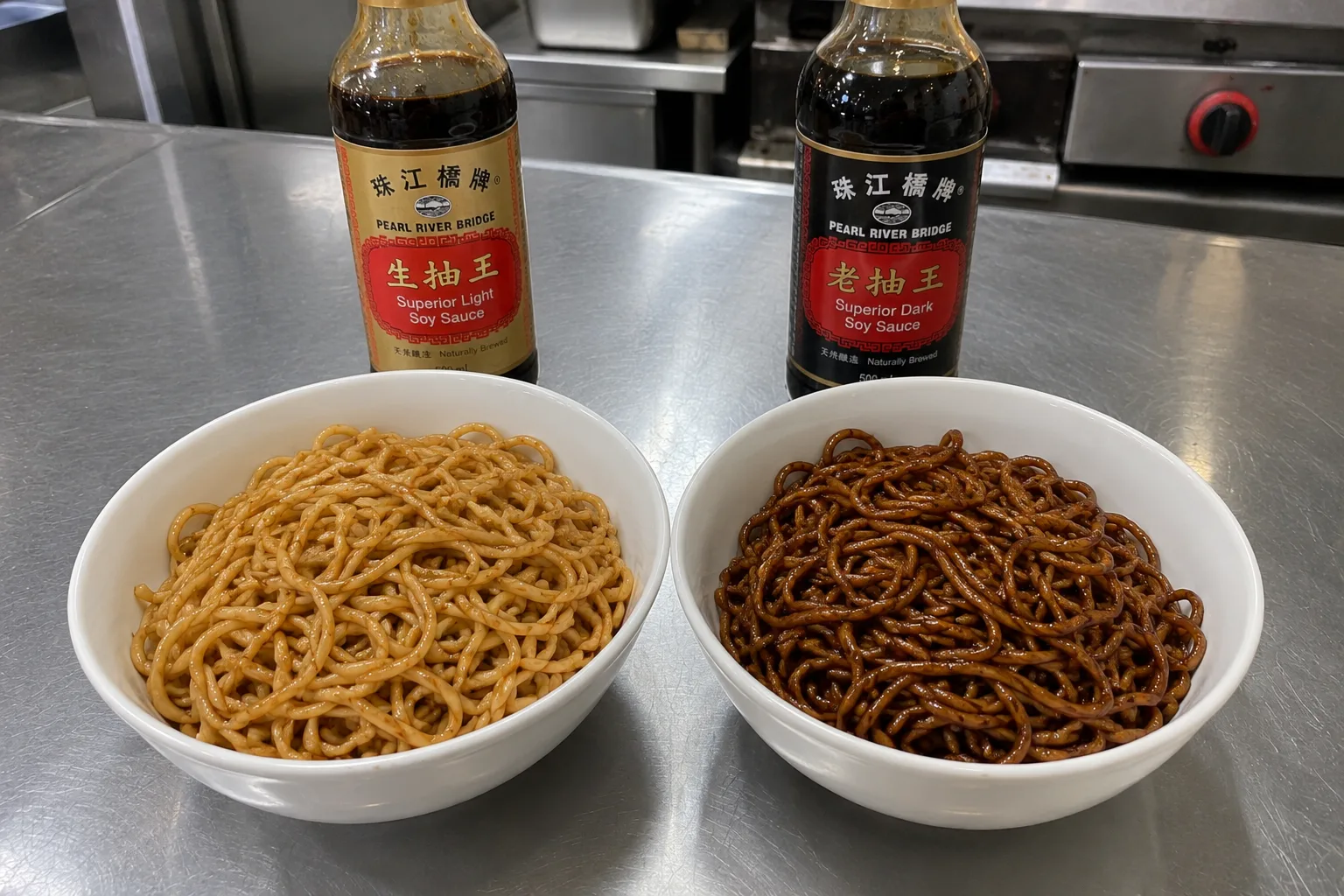
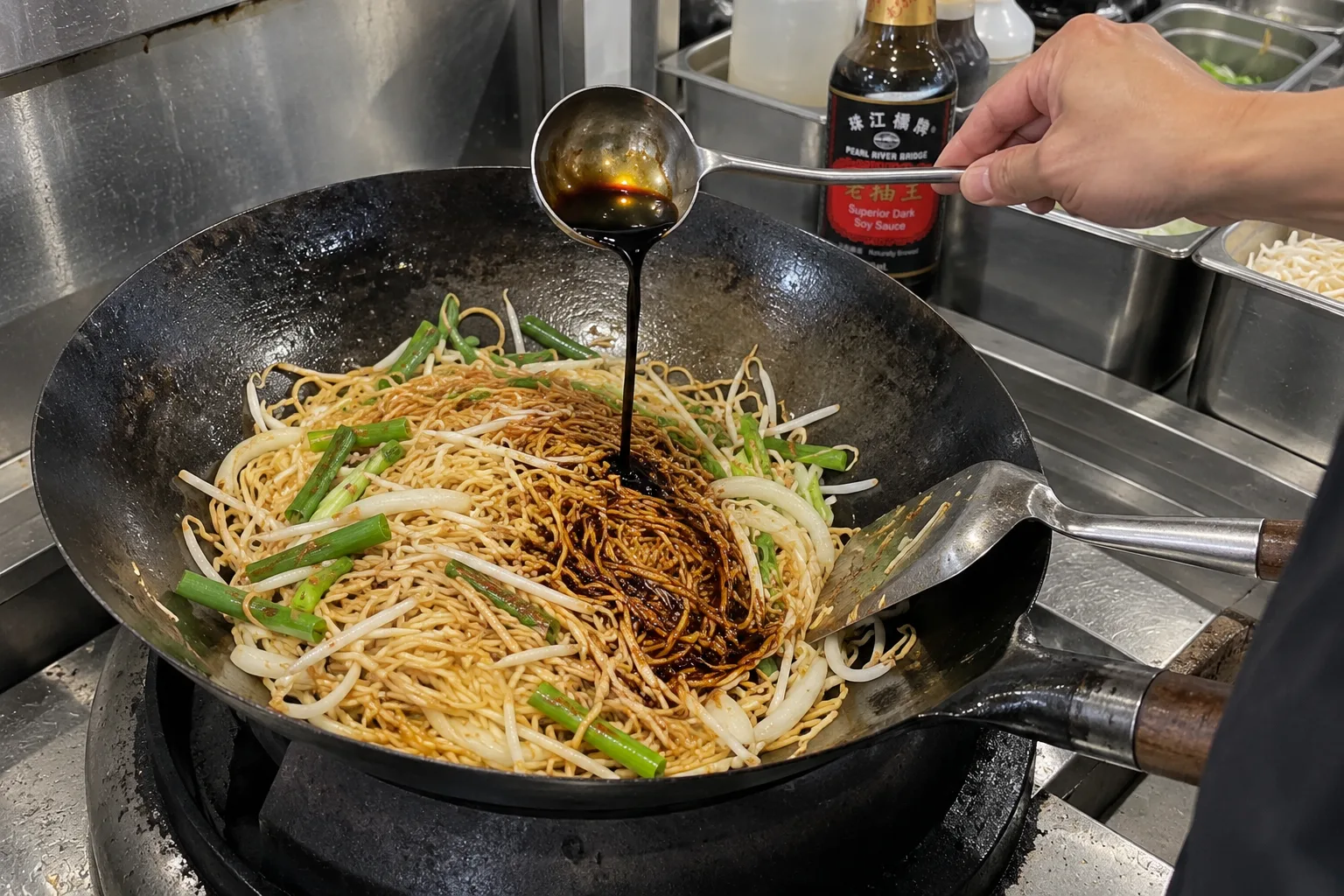
For a first colour experiment, divide a batch of plain cooked noodles between two bowls. Dress both with the same modest amount of light soy and water. Add a few drops of dark soy to one bowl and toss thoroughly. You will see why adding more light soy is a poor way to chase brown colour.
In a vegetable noodle stir-fry for two, start with ½ teaspoon dark soy in your sauce mixture, then judge the result before adding more. The right amount depends on the brand and the other ingredients. Cook and drain the noodles properly first; dark soy doesn't compensate for excess water in the pan.
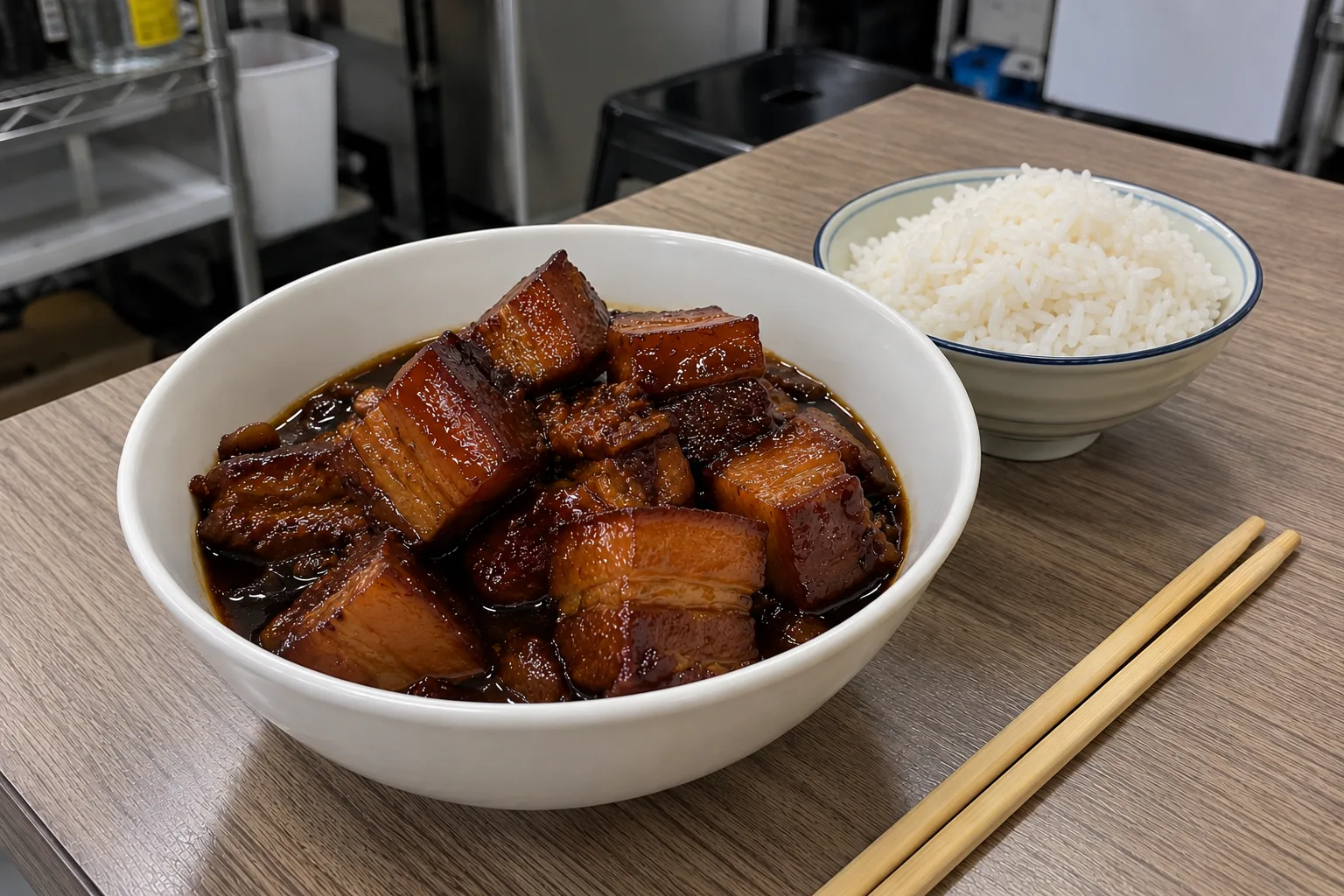
In a braise, dark soy can form part of the cooking liquid alongside light soy, water or stock and aromatics. As liquid reduces, taste the sauce before adding any more seasoning. On mushrooms or tofu, it can give a pleasing brown finish without needing a meat-based sauce.
Avoid pouring it over a nearly finished pale soup just because you want more savouriness. A small amount of light soy may suit that job better. And if you have already added too much dark soy, extra sugar is unlikely to fix it: increase the unsalted food or liquid where the dish allows.
Dark soy sauce substitutes
If a recipe uses only a small amount for colour, leaving it out and accepting a paler result can be the cleanest solution. Adjust the seasoning separately with light soy if necessary.
Mushroom dark soy is a closer substitute if you are happy with its mushroom note. Kecap manis can work in some robust noodle dishes, but start with less and reduce other sugar; it changes the dish rather than duplicating dark soy. Regular soy with sugar added still won't have the same colouring strength. Avoid pretending any of these is a universal one-for-one replacement.
Storage
Store unopened dark soy away from heat and sunlight. Follow the label once opened; refrigeration helps preserve the quality of many brewed soy sauces. Keep the neck clean, close the cap and note the opening date. Use the manufacturer's own guidance for how quickly to finish it. (Kikkoman’s explanation of soy sauce storage)
Sources and further reading
The linked references explain Chinese and Japanese style distinctions, mushroom dark soy, an Australian formula and quality-focused storage. The small cooking experiments above are suggested ways to learn your own bottle, not claims of a tested recipe.