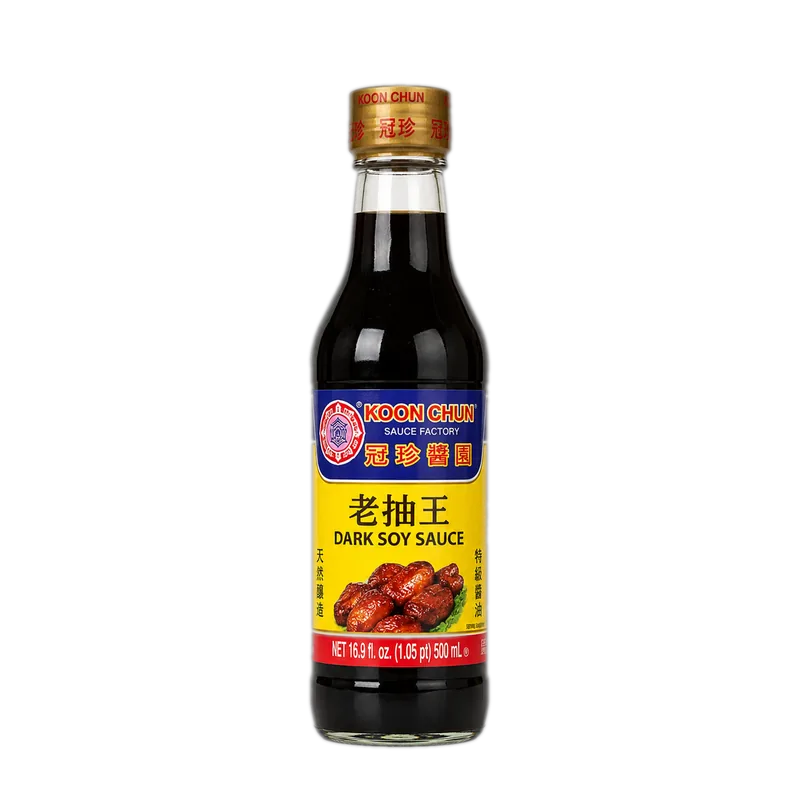
What is the difference between light and dark soy sauce?
Light soy is the everyday seasoning soy sauce, relatively thin and salty with a clean fermented character. Dark soy is thicker, darker and usually less aggressively salty, often subtly sweet; its main job is colour rather than seasoning.
Can I use Japanese soy sauce in Chinese recipes?
Often yes, but expect differences. If a Chinese recipe specifically asks for both light and dark soy, using only standard Japanese soy sauce will usually produce a paler and slightly different result.
Is tamari the same as soy sauce?
Modern tamari is often associated with little or no wheat, although formulations vary and labels should be checked if gluten is a concern. Its flavour is typically rich and soy-forward, and it should not be treated as identical to every soy sauce.
Which soy sauces do I actually need?
You do not need ten bottles. Start with a good everyday Japanese soy sauce, then add Chinese light and dark soy if you cook Chinese food regularly. Those three cover an enormous amount of territory.
Why soy sauce gets confusing
Walk into a well-stocked Asian grocer and 'soy sauce' becomes an entire aisle. Chinese light and dark soy, Japanese koikuchi and usukuchi, tamari and region-specific sauces overlap, but they are not identical.
Chinese light soy sauce
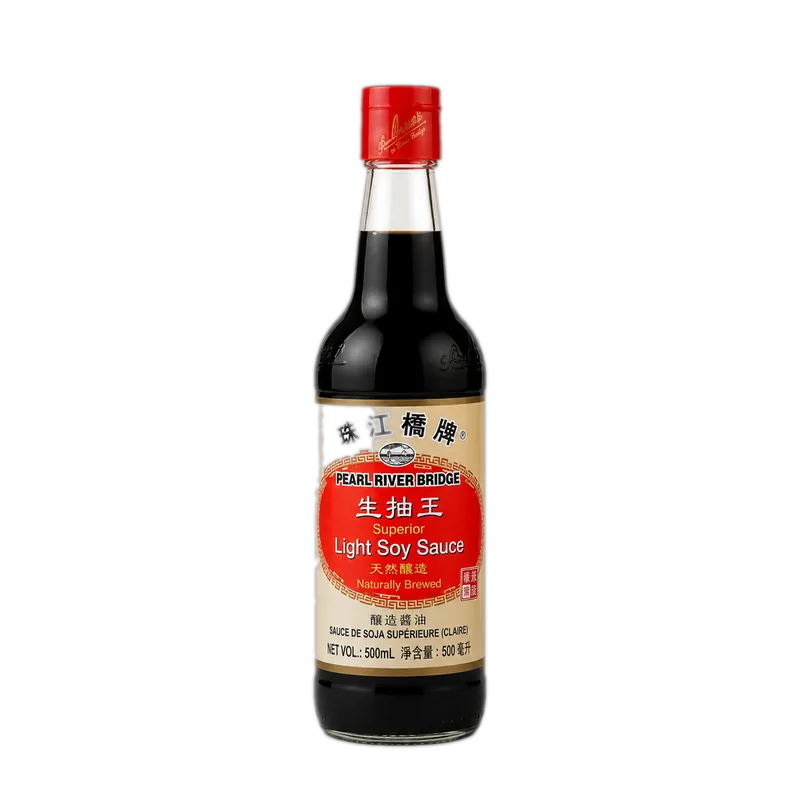
Light soy is the everyday seasoning soy sauce in much Chinese cooking. It is relatively thin and salty, with a clean fermented soy character. Use it in stir-fries, marinades, dumpling fillings, dipping sauces and anywhere you want savoury seasoning without dramatically darkening the food.
Chinese dark soy sauce
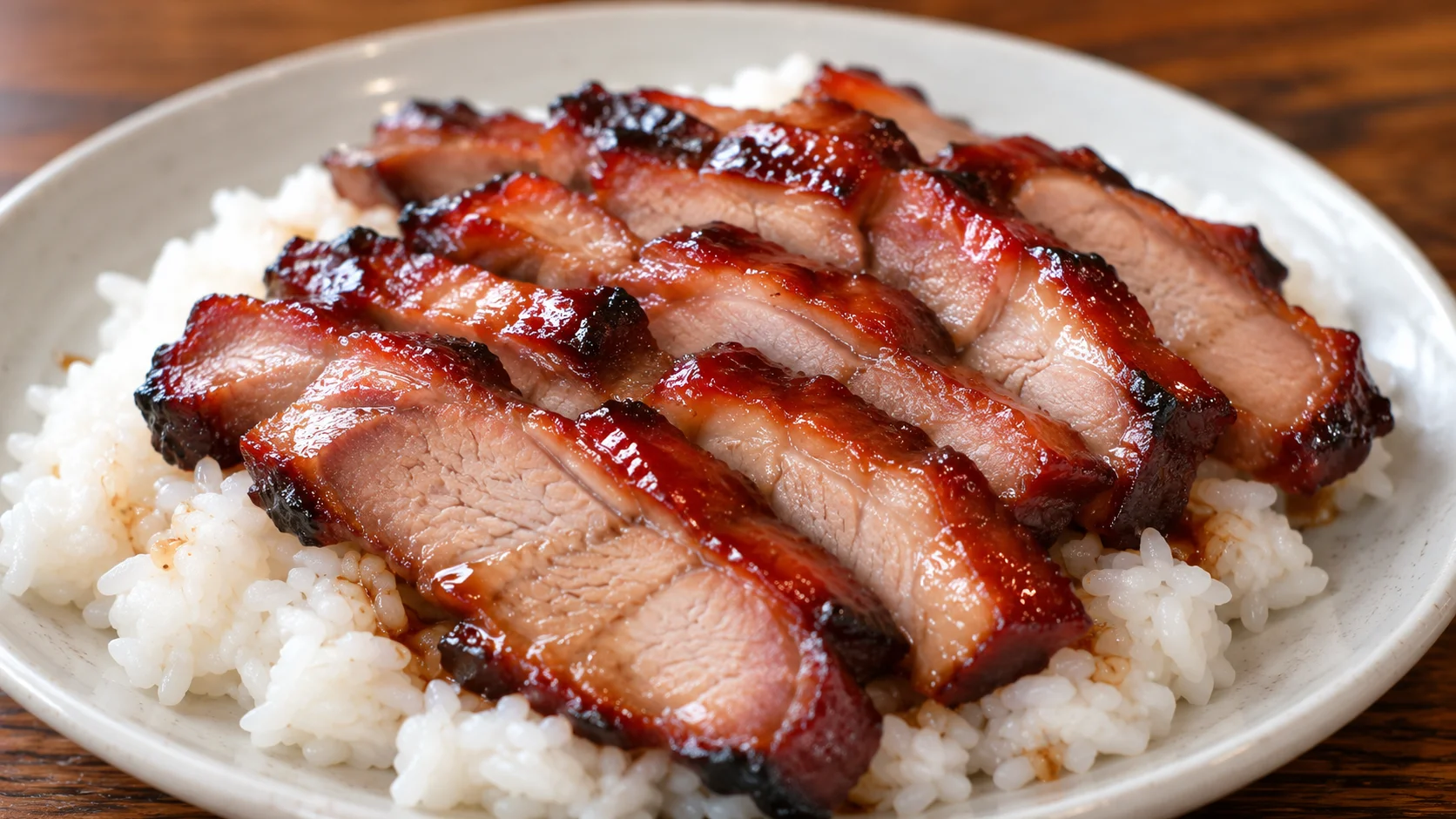
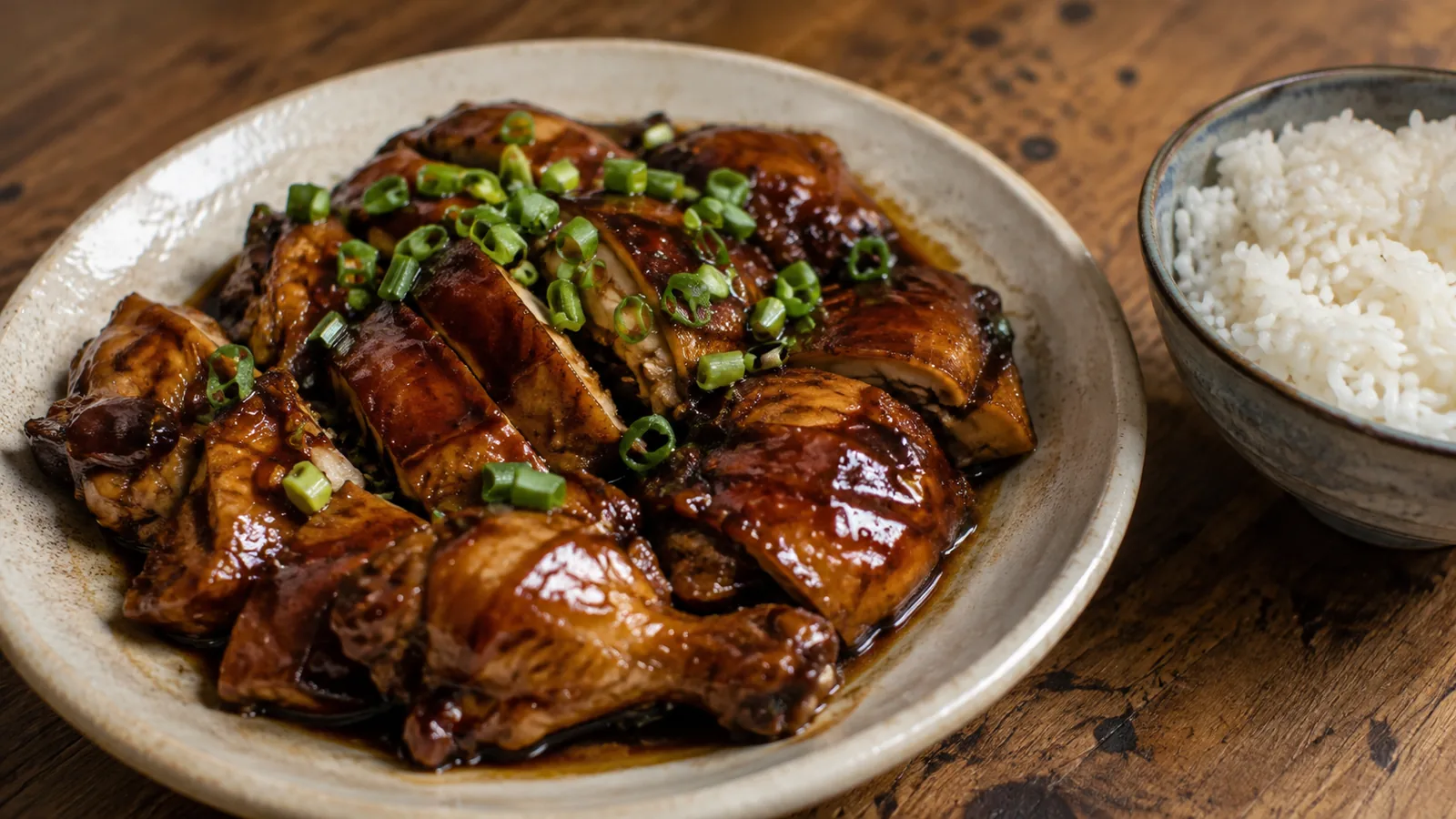
Dark soy is thicker, darker and usually less aggressively salty, often with a subtle sweetness. Its superpower is colour. A small quantity gives braises, fried noodles and fried rice the glossy mahogany tone associated with many Chinese dishes.
Why recipes use both
Light soy seasons; dark soy colours and rounds. That is simplified, but useful. A stir-fry may use mostly light soy with a smaller splash of dark soy to create the right appearance without becoming excessively salty.
Japanese shoyu
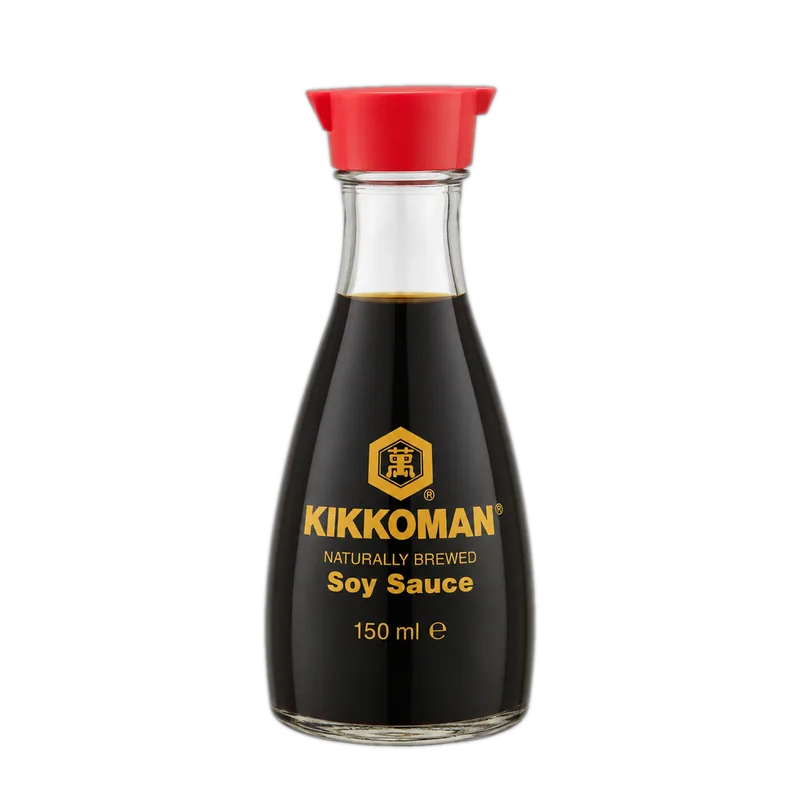
Shoyu simply means soy sauce in Japanese, but the standard Japanese style most people encounter is koikuchi. It commonly contains both soybeans and wheat and has a balanced, aromatic character. It works beautifully for dipping, ramen tare, teriyaki-style sauces and general Japanese cooking.
What about usukuchi?
Usukuchi is a lighter-coloured Japanese soy sauce, but 'light colour' does not mean low salt. It is often relatively salty and is used when cooks want soy seasoning without making pale dishes too dark.
Tamari
Modern tamari is often associated with little or no wheat, although formulations vary and labels should be checked if gluten is a concern. Its flavour is typically rich and soy-forward. It can be used for dipping and seasoning, but it should not automatically be treated as identical to every Chinese or Japanese soy sauce.
Can you substitute one for another?
Often, yes, if the alternative is not cooking at all — but expect differences. If a Chinese recipe specifically asks for both light and dark soy, using only standard Japanese soy sauce will usually produce a paler and slightly different result.
The takeaway
You do not need ten bottles. For a broad Asian pantry, start with a good everyday Japanese soy sauce plus Chinese light and dark soy if you cook Chinese food regularly. Those three cover an enormous amount of territory.