What is wok hei?
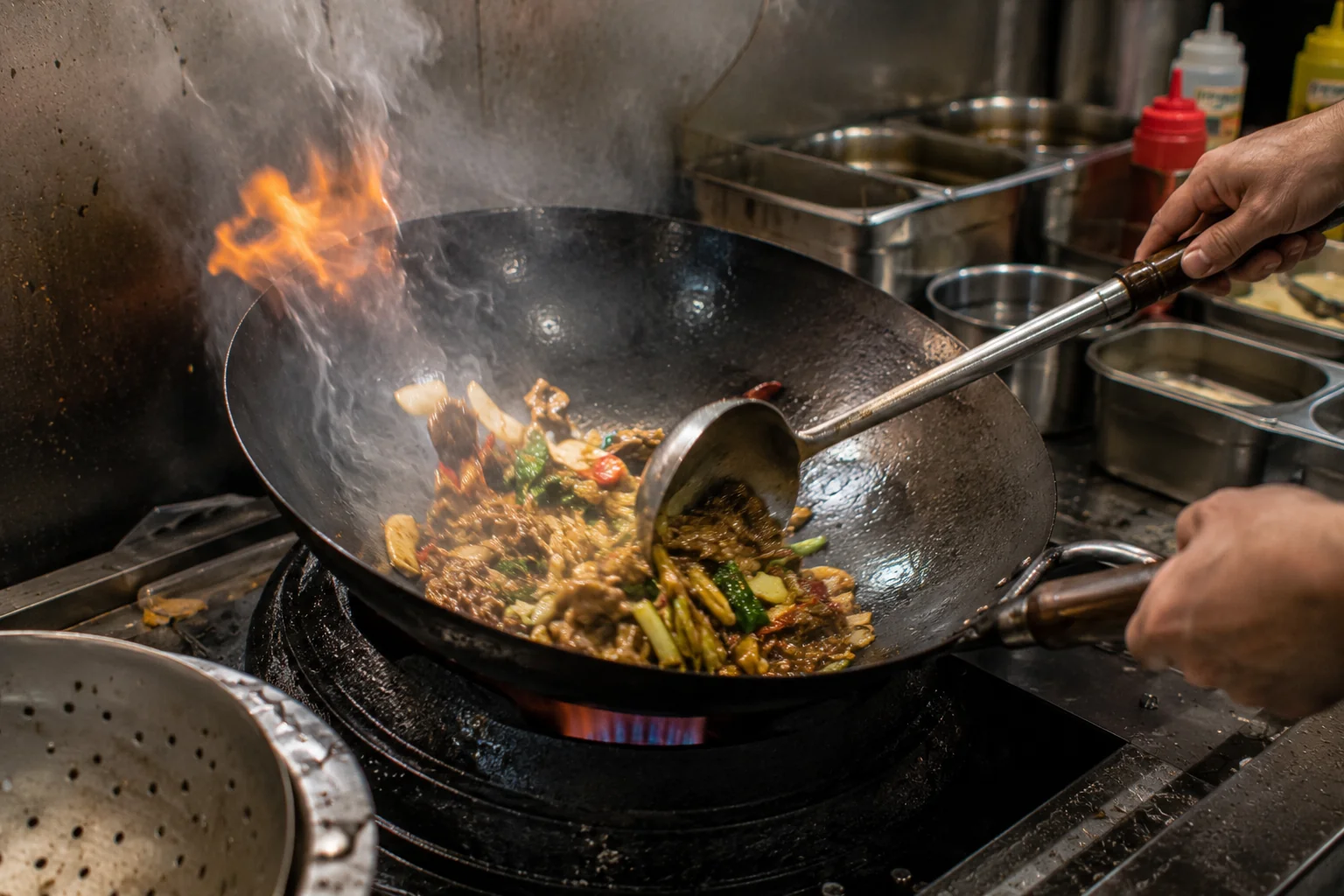
Wok hei refers to the distinctive aroma and flavour associated with extremely hot wok cooking. Restaurant burners make it easier, but home cooks can chase some of the same effect through small batches, strong preheating and rapid tossing.
How do you get wok hei at home?
Cook in smaller batches so the wok temperature does not collapse, preheat the metal properly before adding oil, keep excess moisture out of the pan, and toss rapidly. Managing quantity and water matters far more than buying more sauces.
What is velveting?
Velveting uses a light marinade, commonly involving starch and sometimes egg white or oil, to protect meat during high-heat cooking. It helps produce the tender, silky texture associated with Chinese restaurant stir-fries.
Why is my stir-fry watery instead of seared?
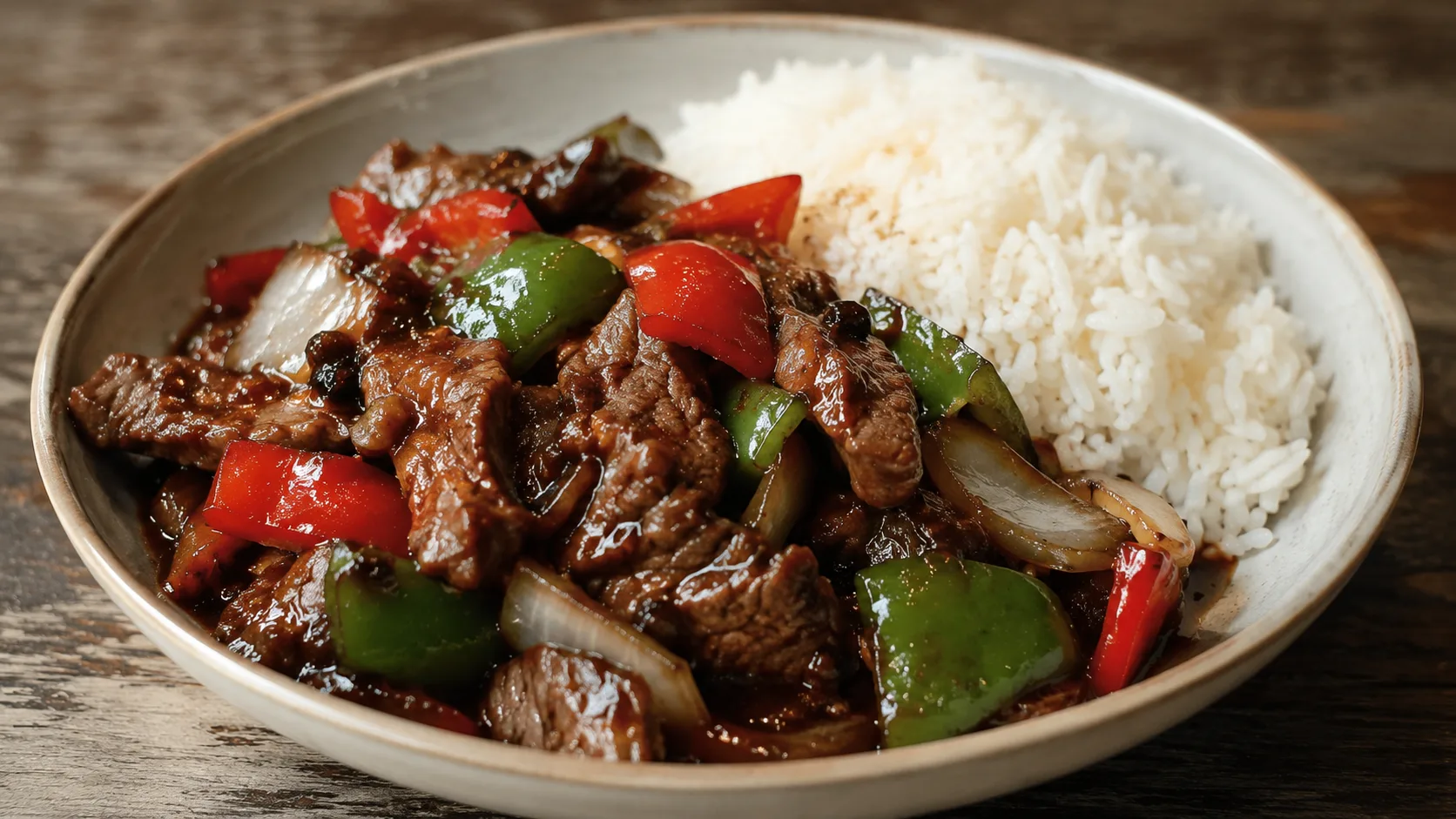
Usually too much food in the pan, or too much moisture. Overloading collapses the wok temperature so food steams rather than sears. Drain washed vegetables, pat meat dry where appropriate, and avoid adding a lot of cold sauce too early.
Technique beats secret ingredients
A bottle of sauce will not make a restaurant-quality stir-fry if the pan is crowded and lukewarm. Chinese wok cooking is built around preparation and control. Once cooking starts, there is rarely time to stop and chop an onion.
1. Prepare everything first
Cut protein, vegetables and aromatics; mix the sauce; measure seasonings; and put everything within reach before heating the wok. Stir-frying happens fast.
2. Cut ingredients for equal cooking
Thin slices of beef cook quickly; dense carrots need to be thinner than capsicum. Good knife work is not just presentation — it synchronises cooking times.
3. Velvet meat
Velveting uses a light marinade, commonly involving starch and sometimes egg white, oil or other seasonings, to protect meat during high-heat cooking. It helps produce the tender, silky texture associated with Chinese restaurant stir-fries.
4. Get the wok properly hot
Preheat before adding oil. A hot wok helps food sear instead of releasing liquid and simmering. On a domestic burner, give the metal enough time to recover between batches.
5. Cook in batches
This may be the most important home-kitchen trick. Too much food collapses the wok temperature. Sear protein in smaller batches, remove it, cook the vegetables, then combine everything at the end.
6. Keep wet ingredients under control
Water is the enemy of browning. Drain washed vegetables, pat meat dry before marinating where appropriate and avoid pouring a huge quantity of cold sauce into the wok too early.
7. Add aromatics at the right moment
Garlic, ginger, chilli and spring onion can burn quickly. They need enough hot oil to release fragrance but not so much unattended time that they become bitter.
8. Use sauce as a coating, not soup
A good stir-fry sauce should cling. Add it late enough that the ingredients have already developed colour, then toss rapidly so starch thickens the liquid into a glossy film.
9. Understand wok hei
Wok hei roughly refers to the distinctive aroma and flavour associated with extremely hot wok cooking. Restaurant burners make it easier, but home cooks can chase some of the same effect through small batches, strong preheating, rapid tossing and keeping excess moisture out of the wok.
10. Stop cooking sooner
Residual heat keeps working after the flame is off. Vegetables should retain texture and meat should not sit in the wok while you search for bowls. Plate immediately.
The takeaway
The path to better stir-fries is not buying ten more sauces. Prepare properly, use less food per batch, manage water and learn to recognise the sound and smell of a genuinely hot wok.