What is oyster sauce? Your shortcut to a proper savoury stir-fry
Find out what oyster sauce tastes like, how to choose a bottle, how it differs from hoisin and fish sauce, plus substitutes, storage and cooking tips.
Is oyster sauce vegan?
Regular oyster sauce isn't: it contains oysters. Buy an explicitly vegan mushroom-based alternative if needed.
Is oyster sauce gluten-free?
Some bottles are, while others contain wheat. Check the current Australian product label.
Is oyster sauce the same as hoisin sauce?
No. Hoisin has a different sweet, seasoned flavour. It can change the character of a stir-fry substantially.
Can I put oyster sauce straight on vegetables?
Yes. Try a small amount, or loosen it with water and warm it first for a more even coating. It is concentrated, so you usually need less than you think.
Oyster sauce is a thick, brown, savoury sauce made with oyster extract, usually alongside sugar, salt and a thickener. It gives stir-fries, vegetables and marinades a rounded sweet-salty flavour. Regular oyster sauce contains oysters; mushroom-based vegetarian alternatives are a separate product. (The Woks of Life’s oyster sauce guide)
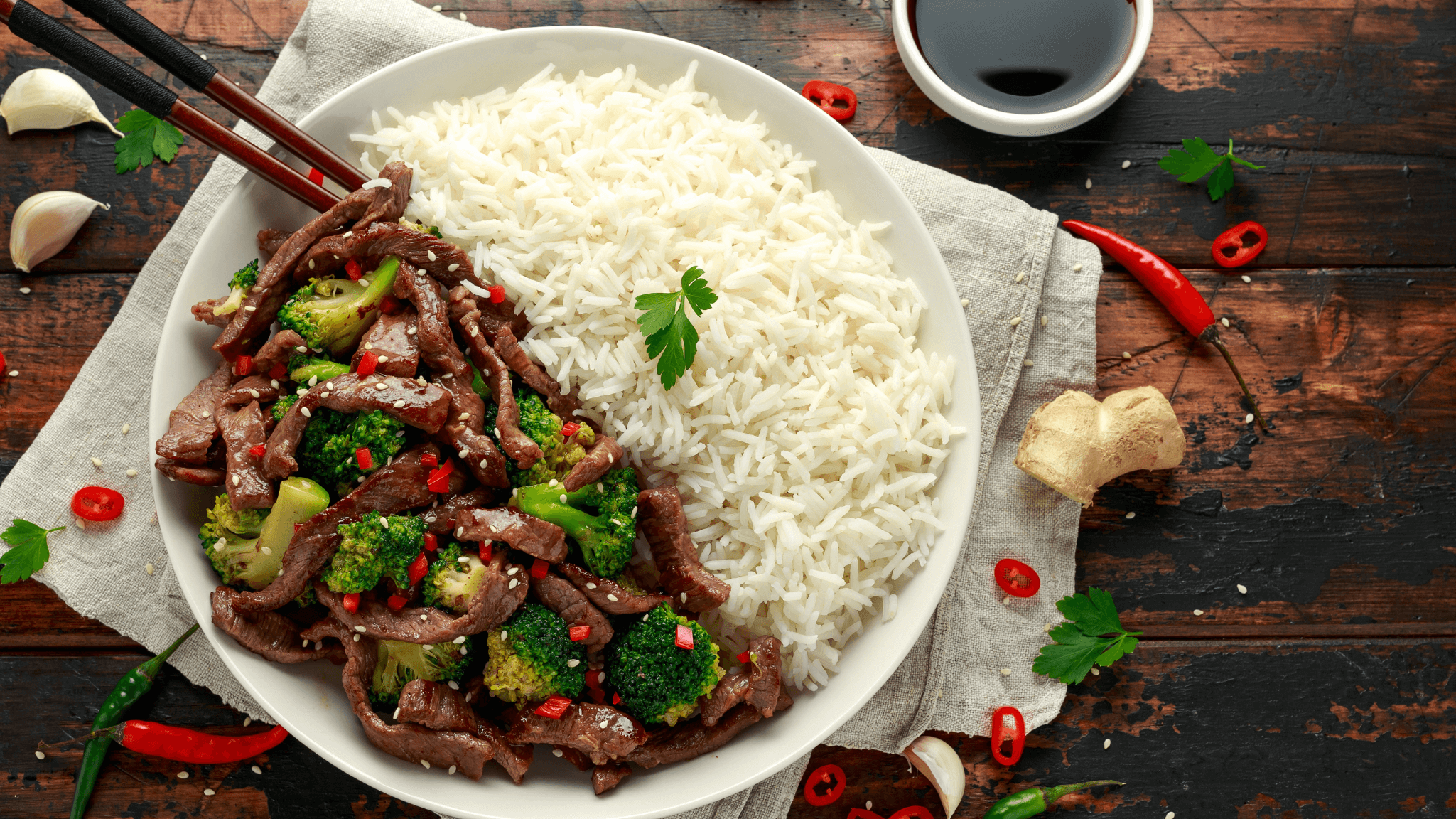
This is the bottle to reach for when your stir-fry needs more than salt. A small spoonful helps a pan of mushrooms, beef or greens taste like a complete dinner. It is easy to use, provided you don't mistake it for every other brown sauce on the shelf.
Does oyster sauce taste fishy?
Oyster sauce has a briny, deeply savoury character, with sweetness and saltiness around it. It generally tastes less pungent than fish sauce. Think of it as a seasoning sauce with body, rather than a liquid that makes everything taste like a raw oyster.
Commercial formulas vary. Some are thick and quite sweet; others are more fluid or more oyster-forward. That matters when you swap brands: the same spoonful can change the sweetness, saltiness and thickness of your usual stir-fry.
What is it made from?
Oyster extract supplies the defining flavour. Water, sugar, salt, starch, wheat flour, colour or flavour enhancers may also be present, depending on the product.
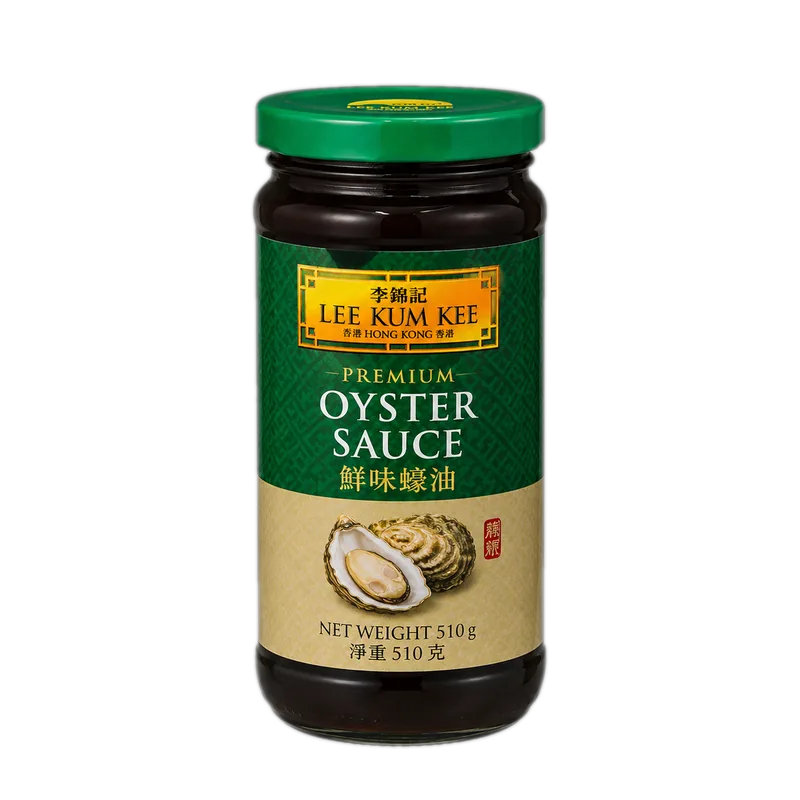
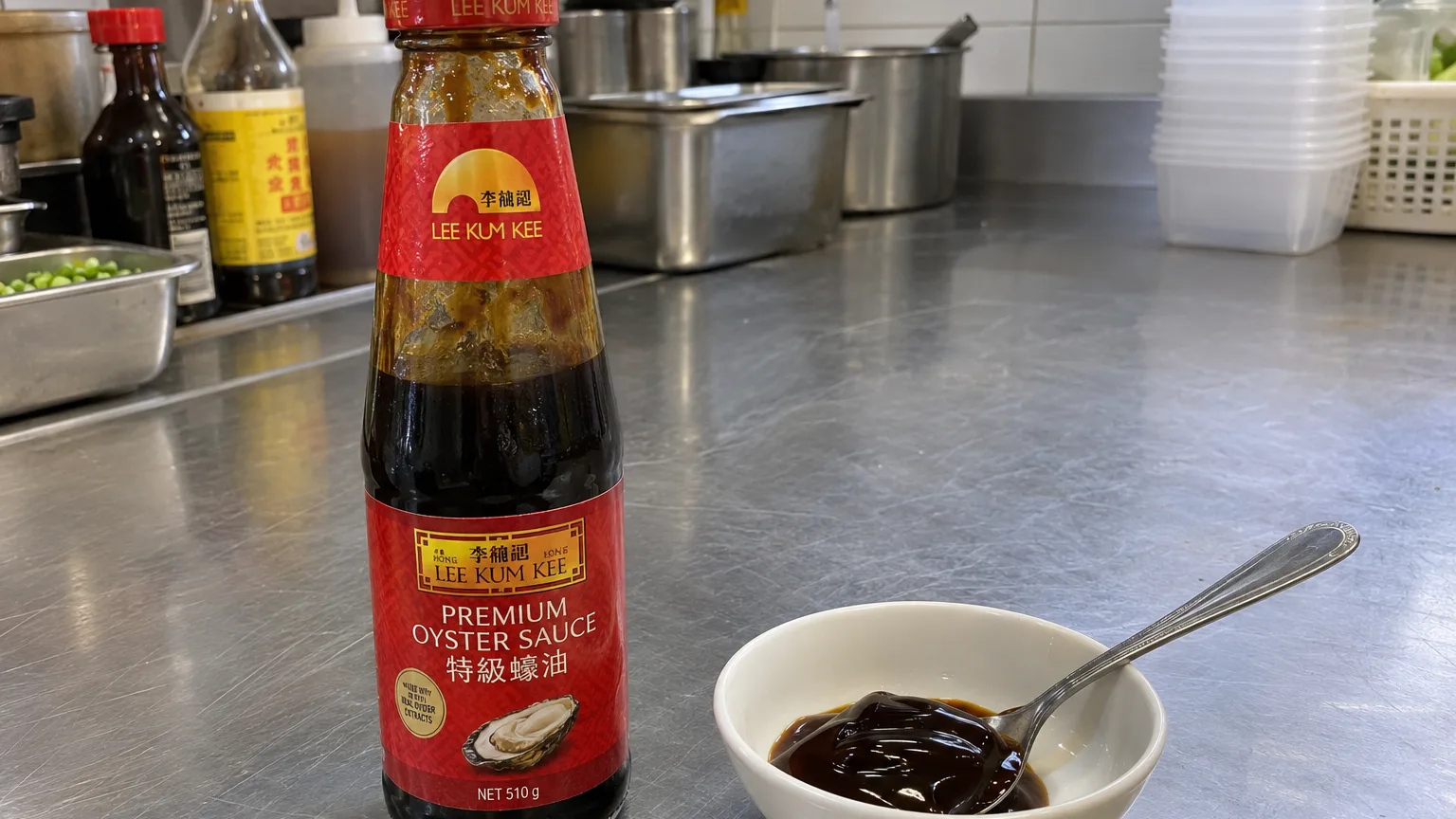
For a local example, Lee Kum Kee Australia's Premium Oyster Sauce page lists 40% oyster extract, plus other ingredients including wheat flour and flavour enhancer 621. The extract itself includes oysters, water and salt, so “40% extract” does not mean the bottle is 40% whole oyster. (Lee Kum Kee Australia)
Compare percentages carefully. A higher extract number is useful information, but different extracts need not have identical concentration. It is one clue on a label, not a universal taste score.
Oyster sauce versus hoisin, fish sauce and soy sauce
| Sauce | What it contributes | What changes if you swap it |
|---|---|---|
| Oyster sauce | Savoury depth, sweetness, salt and body | The reference point for the recipe |
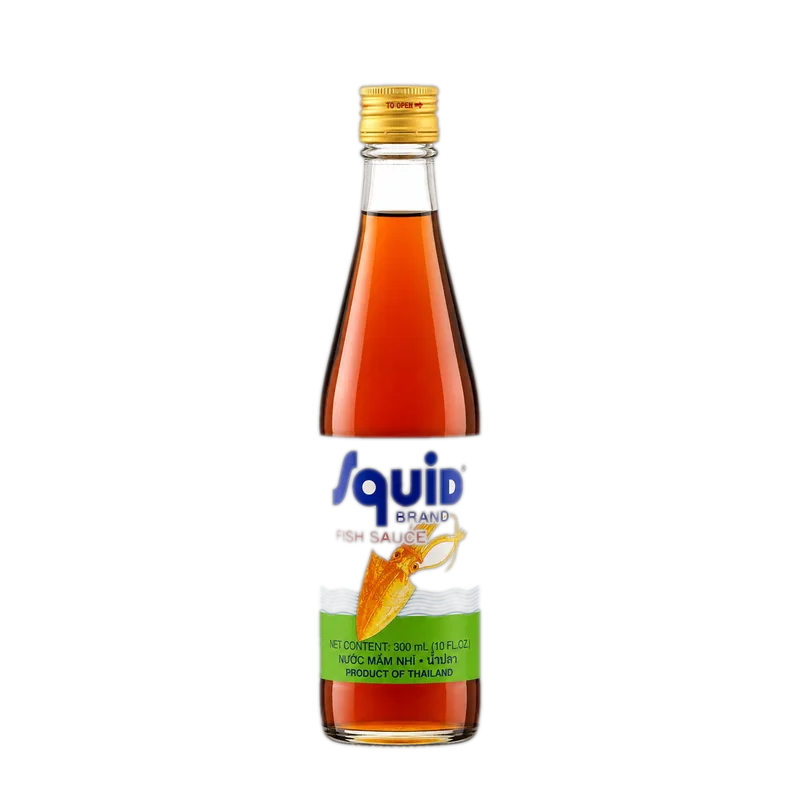
| Fish sauce | Thin, salty fermented fish flavour | Much less body and a more pungent character |
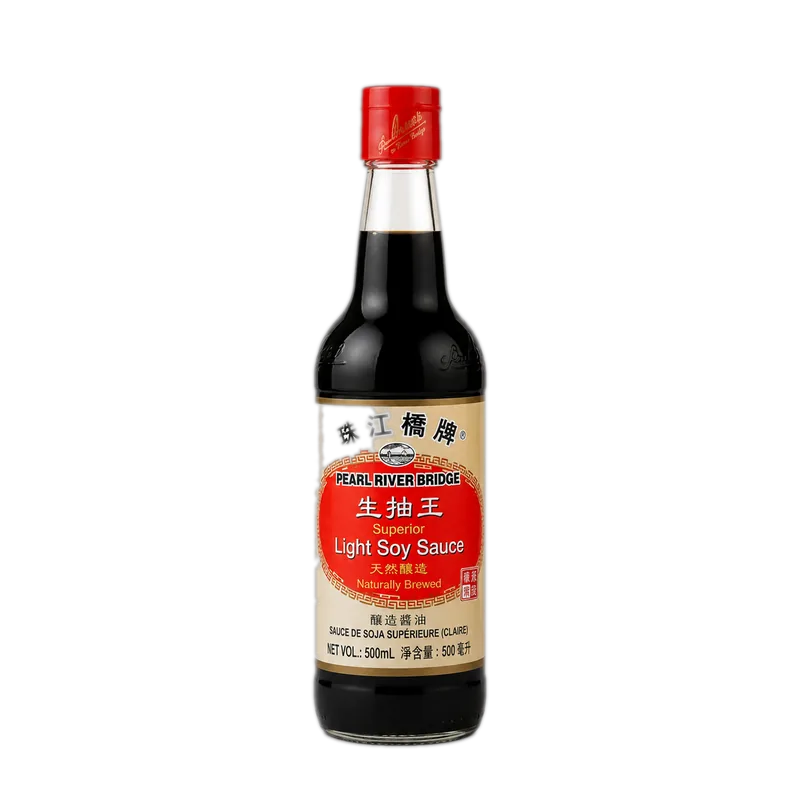
| Light soy sauce | Thin, salty fermented soy seasoning | Less sweetness and thickness |
| Hoisin | Sweet, seasoned sauce with its own spice profile | Usually makes the dish sweeter and differently spiced |
| Mushroom vegetarian stir-fry sauce | A similar sweet-savoury role without oysters, depending on formula | Mushroom flavour and brand-specific sweetness |
Fish sauce and oyster sauce are particularly easy to confuse by name. Fish sauce works more like a liquid seasoning than a thick coating sauce. (Hot Thai Kitchen’s fish sauce introduction)
How to choose oyster sauce in Australia
For a first bottle, decide whether you want regular oyster sauce, a vegetarian alternative or a gluten-free version. Solve that question before comparing premium claims.
Read the ingredients and the allergen statement. Oysters are molluscs. Wheat can appear in the sauce or its seasonings, but gluten-free products also exist. AYAM markets a gluten-free oyster sauce in Australia, illustrating why checking the specific bottle is more useful than making a rule for the whole category. (AYAM Oyster Sauce)
For a vegetarian or vegan household, look for a product explicitly suitable for that diet. A sauce's brown colour, mushroom picture or use in a vegetable recipe does not by itself establish suitability. Check any seafood ingredients and the full formula.
For everyday value, buy a size you can finish according to its opened-storage instructions. Compare price per 100 g where available, but also consider concentration and how much you enjoy the sauce. A cheap oversized bottle that sits untouched isn't a bargain.
At home, taste a small amount alongside plain cooked rice or vegetables. Straight from the spoon, any concentrated seasoning can feel too salty. Try the bottle in food before deciding whether it needs extra sugar, soy or dilution.
How to use oyster sauce
Oyster sauce is useful in marinades, stir-fries and stews. It can also season gravies and other savoury sauces, although its sweetness needs to fit the dish. (Lee Kum Kee’s cooking applications)
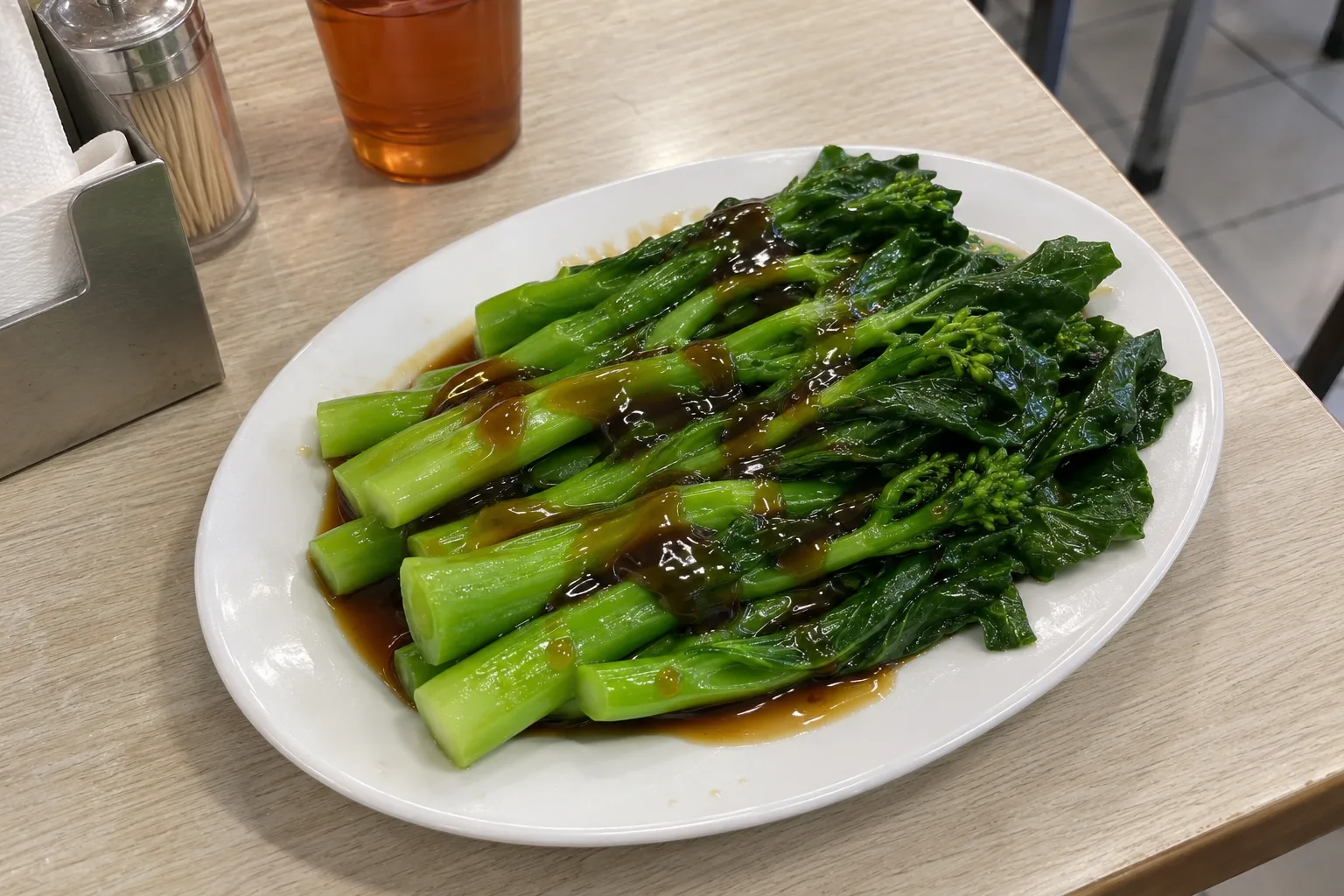
For an easy vegetable side, cook a bunch of gai lan, broccolini or bok choy until tender to your liking and drain well. In a small pan, loosen 2 teaspoons oyster sauce with 2 teaspoons water. Warm gently and spoon over the greens. Taste before adding soy: the oyster sauce may provide enough seasoning by itself.
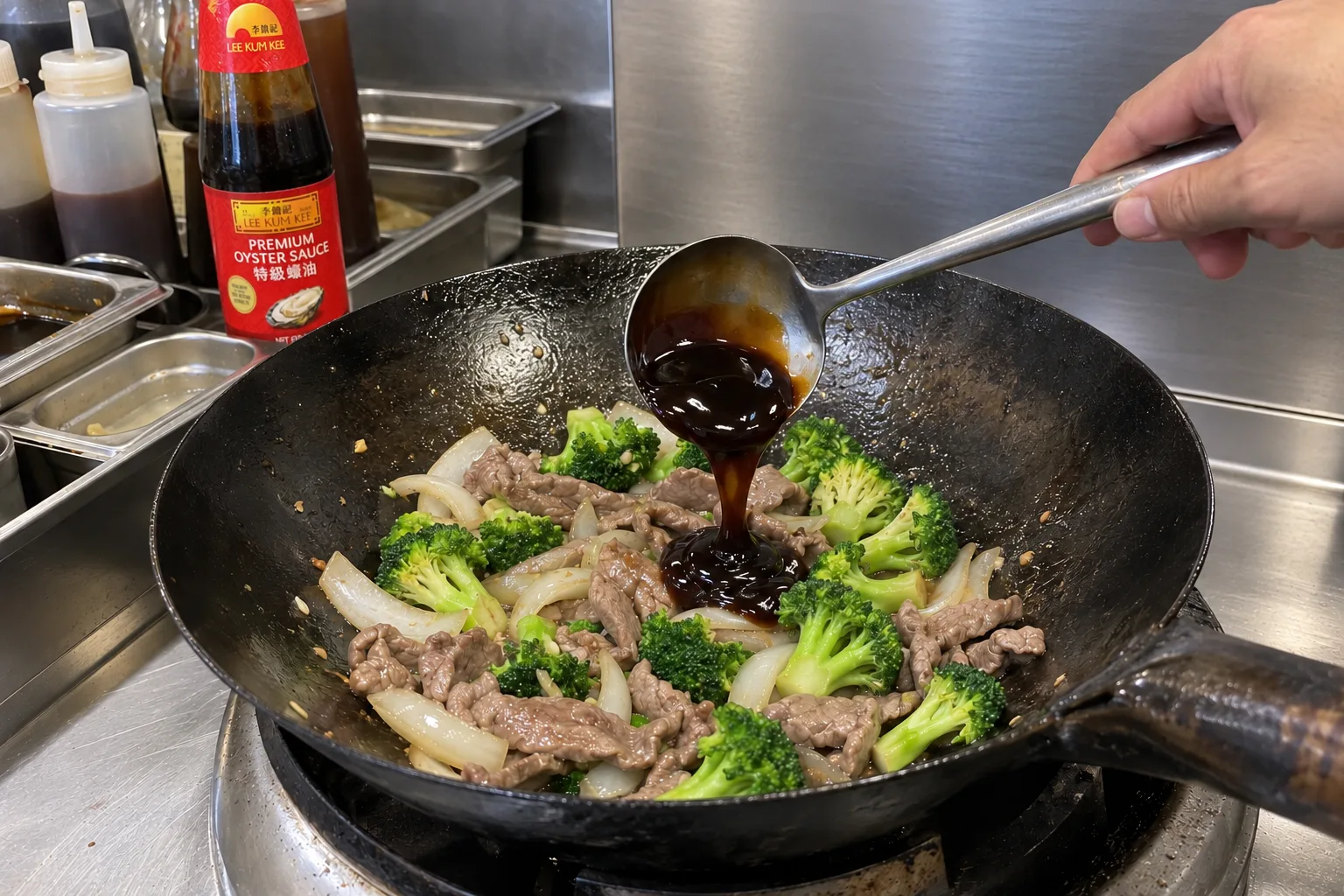
In a stir-fry, mix the oyster sauce with the other sauce ingredients before cooking. Add it once the main ingredients are nearly ready, with enough liquid to spread it around. A thick dollop left on a hot dry pan can catch before it coats dinner.
Use a little as a supporting ingredient in beef, chicken or mushroom noodles. You don't need to add every pantry sauce at once. Start with oyster sauce, water and aromatics, then decide what is missing. More savouriness might call for light soy; a heavy finish might need a small splash of vinegar. More sauce is not always the answer.
What can you use instead of oyster sauce?
A mushroom-based vegetarian stir-fry sauce is often the most convenient substitute for a similar role. Begin with a little less than the recipe's quantity and adjust for sweetness and salt.
If you only have light soy, use it cautiously for seasoning and accept a thinner result. A small amount of sugar may help in some dishes, but adding sugar to soy doesn't recreate oyster flavour. Hoisin can suit a deliberately sweeter glaze; it is less convincing when the recipe needs oyster sauce's particular savoury balance. Fish sauce needs an even lighter hand and won't supply the missing thickness.
For allergy-driven substitutions, check the replacement's full label too. “Vegetarian” and “gluten-free” answer different questions.
Storage
Refrigerate regular oyster sauce after opening unless the manufacturer gives different specific instructions. Keep the cap clean, use a clean utensil and follow the pack's use-after-opening period. Unopened bottles belong somewhere cool and away from sunlight. Don't rely on a universal “lasts a year” rule across all formulas.
Sources and further reading
The linked references cover oyster sauce's composition and uses, a current Australian formula, a gluten-free product example and fish sauce's different role. Product examples illustrate choices; they are not claims about Mr Pantry's eventual range.