

Mie Ayam (Indonesian Chicken Noodles)
Springy egg noodles tossed in garlicky chicken oil and soy, topped with sweet soy braised chicken and mushrooms, greens and fried shallots, with broth on the side. Indonesia's favourite noodle stall dish.
Ingredients
Pantry bits
- 500g skinless chicken thigh fillets, cut into 1cm dice
- 150g fresh shiitake or Swiss brown mushrooms, diced
- Spice paste: 4 red Asian shallots, 4 garlic cloves, 2 candlenuts, 1cm piece ginger, 1/2 tsp ground turmeric and 1/2 tsp ground coriander
- 3 tbsp kecap manis
- 1 tbsp light soy sauce, plus 8 tsp for the bowls
- 1 tbsp oyster sauce
- 1/2 tsp ground white pepper, plus extra for the bowls
- 1 cup (250ml) water
- Chicken oil: 100g chicken skin (or 1/4 cup neutral oil) and 3 garlic cloves, finely chopped
- 1 litre chicken stock
- 500g fresh thin egg noodles (or 300g dried)
- 1 bunch choy sum or bok choy, cut into 6cm lengths
- To serve: crispy fried shallots, sliced spring onion and sambal
Instructions
- Make the chicken oil. Put the chicken skin in a small frying pan over medium-low heat and cook for 10-12 minutes, pressing occasionally, until the fat has rendered and the skin is crisp. Add the chopped garlic and cook for 1-2 minutes until pale golden, then strain the oil into a bowl. (If using neutral oil, just fry the garlic in it.)
- Blitz the spice paste ingredients with 1 tbsp of oil in a small blender or pound them in a mortar until smooth.
- Heat 1 tbsp chicken oil in a large frying pan over medium heat. Fry the spice paste for 3-4 minutes, stirring, until fragrant and a shade darker.
- Add the chicken and cook for 3 minutes until no longer pink. Add the mushrooms, kecap manis, 1 tbsp soy sauce, oyster sauce, white pepper and water. Simmer uncovered for 15-20 minutes, stirring now and then, until the chicken is tender and the sauce is thick and glossy.
- Meanwhile, heat the stock in a saucepan, season with a pinch of white pepper and keep it hot.
- Bring a large pot of water to the boil. Blanch the greens for 1 minute and lift them out, then cook the noodles following the packet instructions (fresh noodles take 1-2 minutes). Drain well and shake off the water.
- Put 1 tbsp chicken oil, 2 tsp soy sauce and a pinch of white pepper in each serving bowl. Add the hot noodles and toss well to coat.
- Top with the greens and the chicken, then scatter with fried shallots and spring onion. Serve with a small bowl of hot broth and sambal on the side.
About this dish
Mie ayam is one of Indonesia's most-loved noodle dishes, sold from carts and warung all over the country. Boiled egg noodles are tossed in fragrant chicken oil and soy sauce, topped with diced chicken braised in kecap manis, and served with a cup of light broth to sip or pour over.
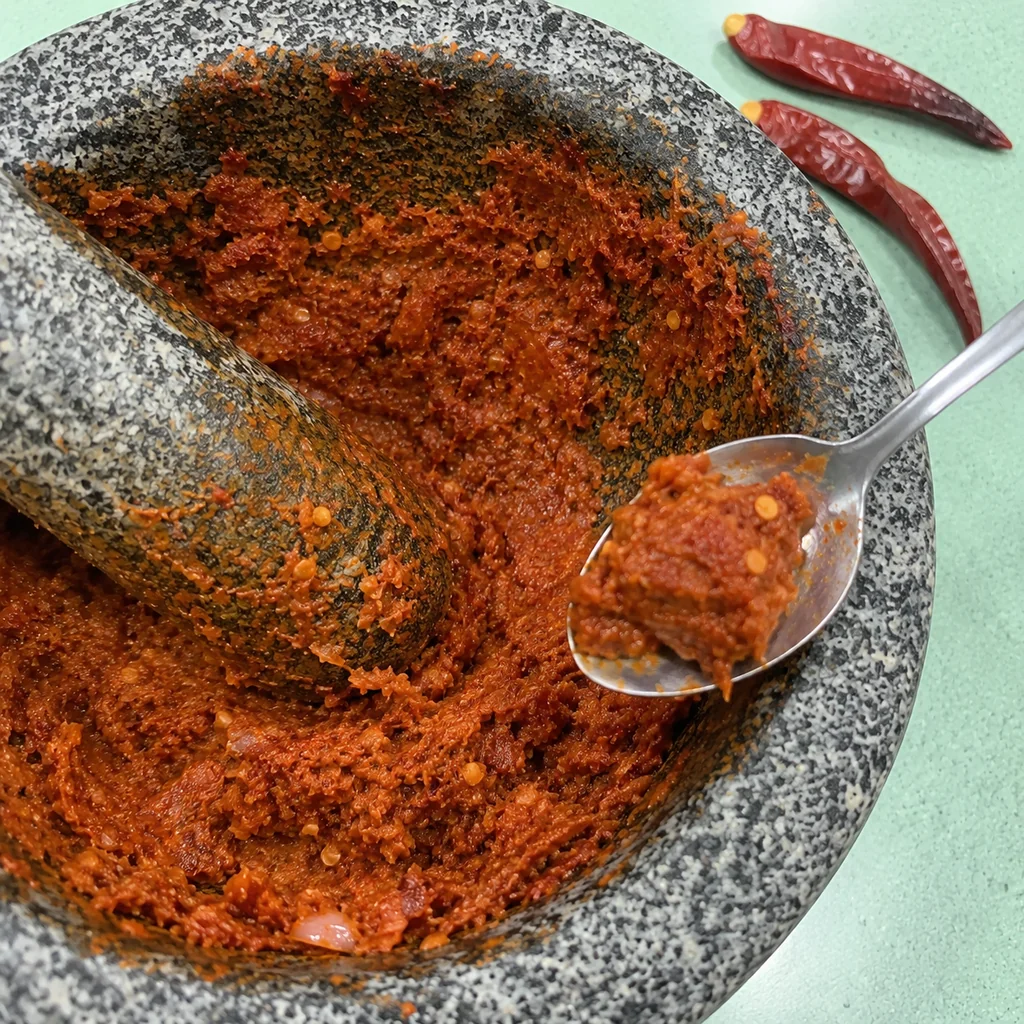
It is not a stir-fry like mie goreng. The noodles are boiled and dressed, so the toppings and the oil carry the flavour. Stalls often add bakso meatballs to make mie ayam bakso, and a spoonful of sambal terasi is the classic way to add heat.
Tips for the best result
- Chicken oil (minyak ayam) is the secret. Rendered chicken skin and garlic give the noodles their rich, savoury flavour. Ask your butcher for skin, or save it from thigh fillets.
- Toss the noodles in the oil and soy while they are piping hot so they soak it up and don't clump.
- Cook the chicken topping until the sauce is thick and clings, not runny.
Substitutions
- Candlenuts: unsalted macadamias are the usual substitute. Never eat candlenuts raw; they are always cooked in the paste.
- Noodles: thin fresh egg noodles (wonton noodles) are closest to Indonesian mie. Dried egg noodles or ramen noodles also work.
- Mushrooms: dried shiitake, soaked and diced, give a deeper flavour; add some of the soaking water instead of plain water.
Storage and reheating
The chicken topping keeps in the fridge for up to 4 days and freezes for up to 3 months. Store the chicken oil in a jar in the fridge for up to a week. Cook noodles fresh each time.
Mie ayam FAQs
What is the difference between mie ayam and mie goreng?
Mie ayam uses boiled noodles tossed in seasoned oil, topped with braised chicken and served with broth. Mie goreng is stir-fried noodles cooked with the sauce in a wok.
Can I make mie ayam without chicken skin?
Yes. Fry the garlic in neutral oil instead, and add a pinch of chicken stock powder to each bowl if you want more savouriness.
Is mie ayam spicy?
Not on its own. The heat comes from the sambal and pickled chillies you add at the table.
More recipes to cook
All recipes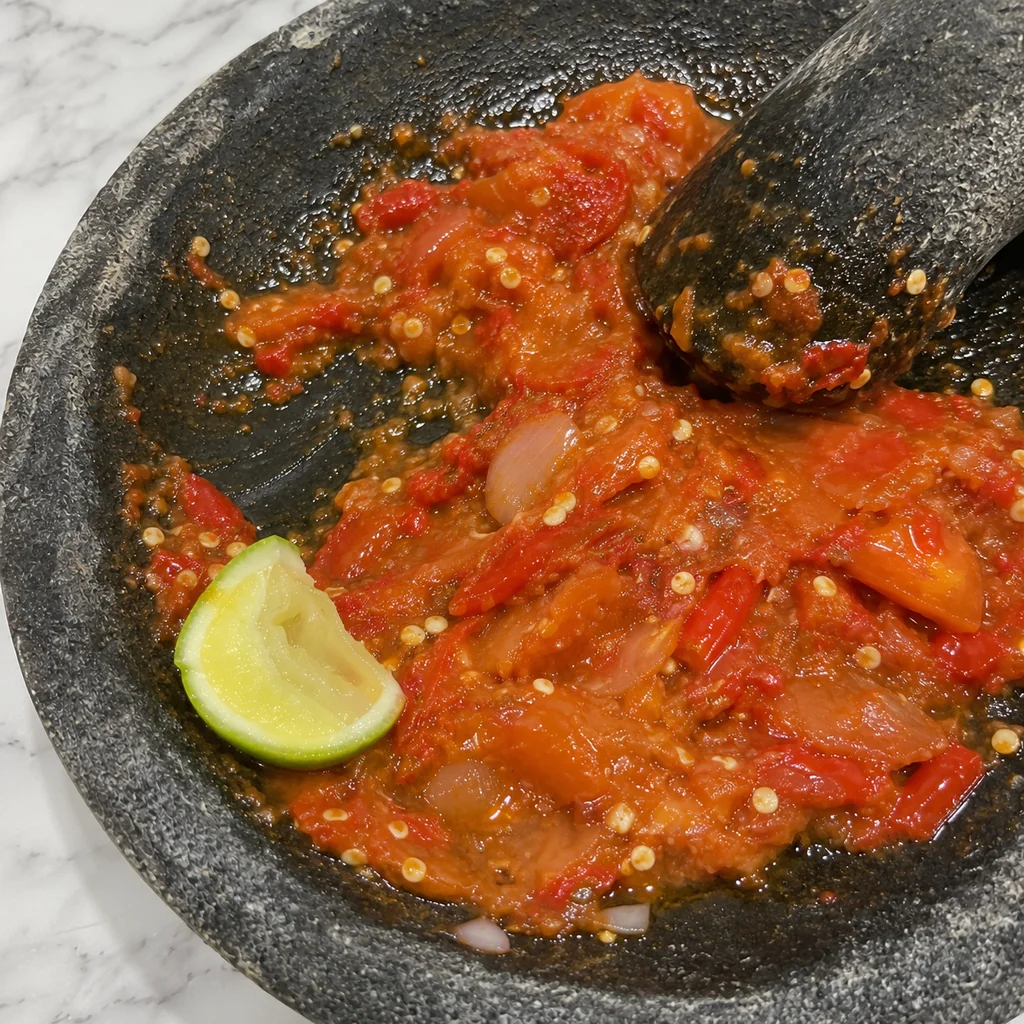

Never miss a recipe
Join thousands of subscribers and get our best recipes delivered direct to your inbox.