

Pepes Ikan (Indonesian Spiced Fish in Banana Leaf)
Fish fillets coated in a fragrant yellow spice paste of candlenuts, turmeric, chilli and lemongrass, wrapped in banana leaves, steamed and then charred.
Ingredients
Pantry bits
- 600g firm white fish fillets (barramundi, snapper or ling), cut into 4 pieces
- 1 tsp salt
- 1 lime, juiced
- 6 red shallots
- 4 cloves garlic
- 4 candlenuts (kemiri), lightly toasted
- 3cm piece fresh turmeric, or 1 tsp ground
- 2cm piece ginger
- 3-5 long red chillies
- 1 tsp palm sugar
- 1 stalk lemongrass, cut into 4 lengths and bruised
- 6 makrut lime leaves
- 1 tomato, sliced
- 1 handful Thai basil (kemangi if you can find it)
- 4 large pieces banana leaf, plus toothpicks
Instructions
- Rub the fish with half the salt and the lime juice and set aside.
- Blend or pound the shallots, garlic, candlenuts, turmeric, ginger, chillies, palm sugar and remaining salt to a smooth paste.
- Soften the banana leaves by passing them briefly over a gas flame or dipping them in hot water, until shiny and pliable. Wipe dry.
- Lay a piece of fish on each leaf and spread the spice paste thickly over both sides. Top with lemongrass, lime leaves, tomato and basil.
- Fold the leaf over into a parcel and pin both ends with toothpicks.
- Steam the parcels over boiling water for 25 minutes.
- For the smoky finish, char the parcels in a dry griddle pan or on a barbecue for 3-4 minutes each side until the leaf blackens in spots. Serve in the leaf with rice and sambal.
About this dish
Pepes ikan is a Sundanese dish from West Java: fish smothered in a bright yellow spice paste, wrapped in banana leaf and steamed, then charred over coals so the leaf perfumes the fish. The paste is built on kemiri, or candlenuts, which thicken it and give it a rich, nutty creaminess, with turmeric, chilli, shallots and lemongrass.
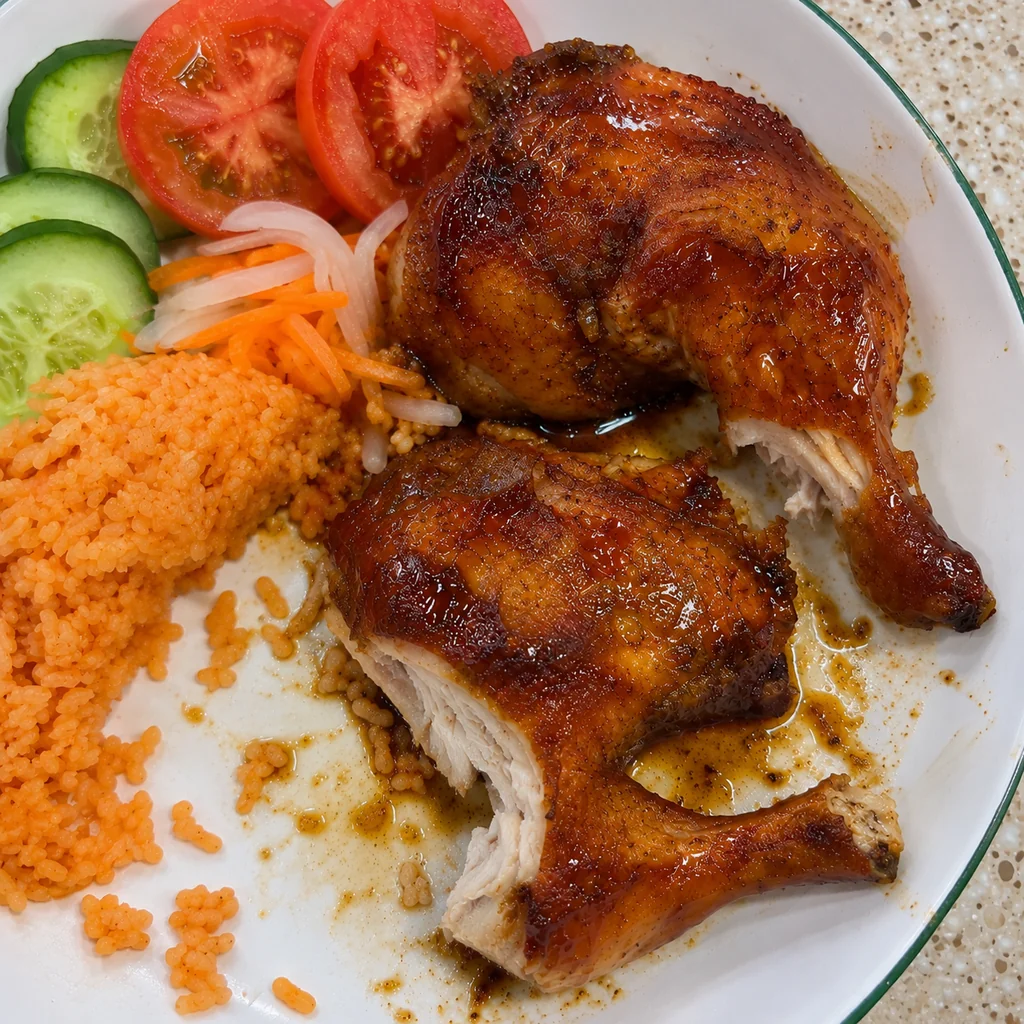
It's lighter than ikan bakar, which is glazed with sweet soy and grilled. Serve pepes with steamed rice and sambal terasi, and try ayam bakar next for another warung favourite.
Tips for the best result
- Toast the candlenuts in a dry pan first. It brings out their flavour and they blend more smoothly.
- Be generous with the paste. It steams into a thick, fragrant crust.
- Don't skip the final char. It adds the smoky banana leaf flavour pepes is known for.
Substitutions
- Candlenuts: macadamias are the best swap, 1 for 1.
- Banana leaf: baking paper with a layer of foil outside. You'll lose the leaf aroma but keep the texture.
- Fish: chicken thigh (pepes ayam) or firm tofu (pepes tahu); steam chicken for 35 minutes.
Storage
Steamed parcels keep in the fridge for 2 days. Reheat by steaming for 8-10 minutes, then char.
Pepes ikan FAQs
What is kemiri in English?
Kemiri is candlenut, a waxy, round nut used to thicken and enrich Indonesian and Malaysian spice pastes. It shouldn't be eaten raw, so it's always cooked, as it is here.
Can I bake pepes instead of steaming?
Yes. Put the parcels on a tray and bake at 200°C for 25-30 minutes, then char under a hot grill for a few minutes.
Where can I buy candlenuts and banana leaves in Australia?
Asian grocers sell candlenuts in small packets labelled "kemiri" or "buah keras", and frozen banana leaves in the freezer section. Fresh leaves are often at Asian markets too.
More recipes to cook
All recipes


Never miss a recipe
Get practical Asian recipes and pantry guides in your inbox.