What is MSG?
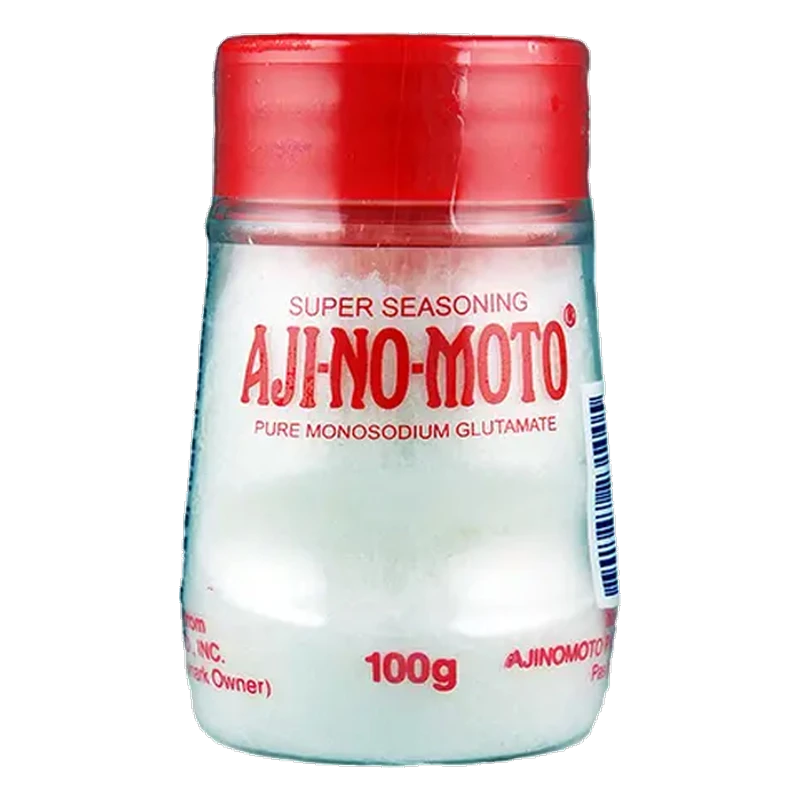
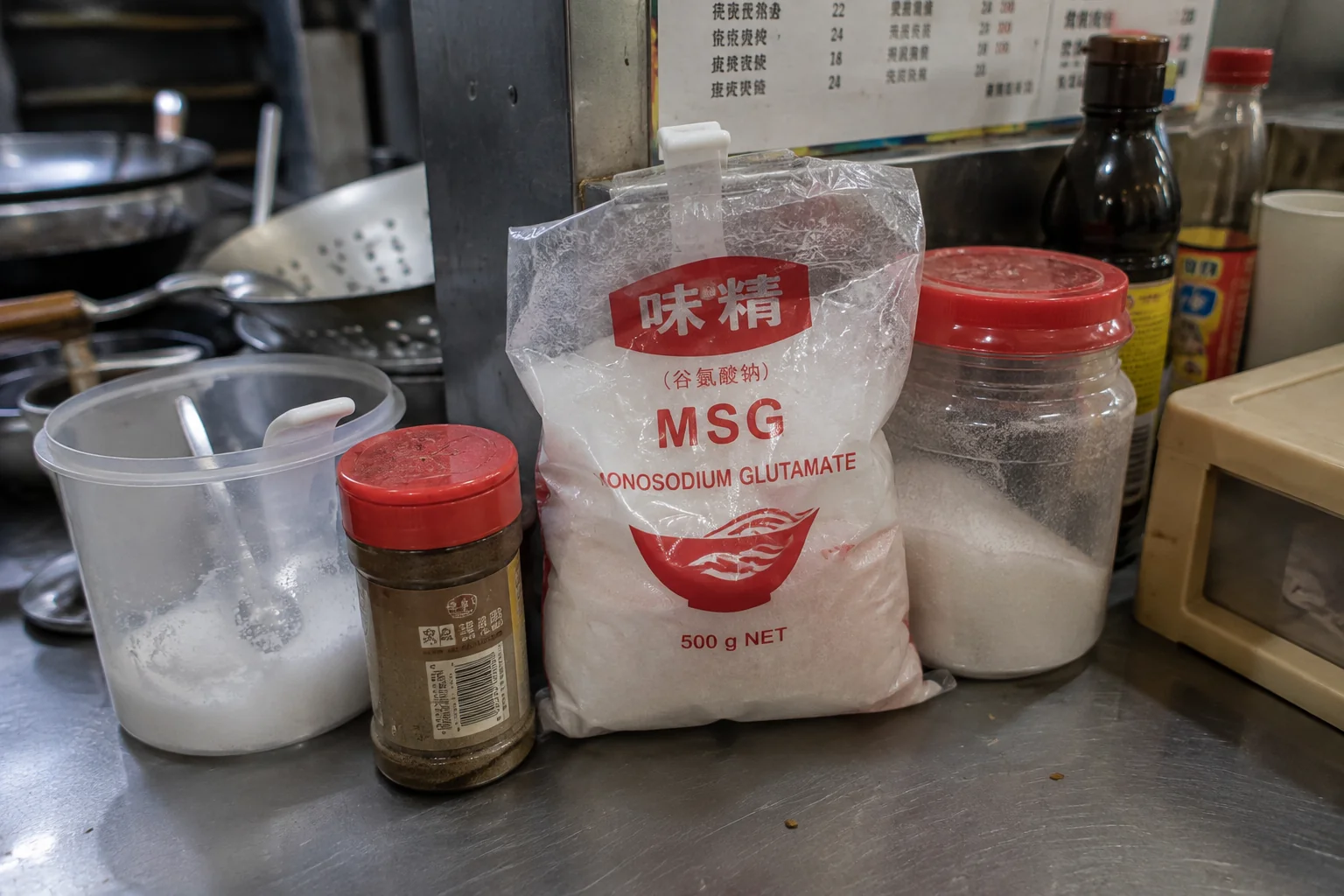
MSG is monosodium glutamate, the sodium salt of glutamic acid, an amino acid that occurs naturally in many foods. Glutamate is strongly associated with umami, the savoury taste found in tomatoes, mushrooms, aged cheese, seaweed and soy sauce.
Is MSG bad for you?
For most people, major food-safety authorities consider MSG safe when consumed in normal food quantities. Its reputation was shaped by decades of controversy and misconception. As with salt and other sodium-containing seasonings, quantity matters.
Is MSG natural?
Glutamate occurs naturally throughout food. Commercial MSG is produced through fermentation, a process conceptually similar to the one behind yoghurt or vinegar, and the body handles glutamate from MSG in the same fundamental way as glutamate from food.
How much MSG should you use?
Use it as a seasoning, not as the main flavour. A small pinch is often enough for a portion of soup, fried rice, stir-fry or sauce. It works particularly well when a dish tastes salty enough but somehow flat. Add a little, taste, then adjust.
What is MSG?
MSG stands for monosodium glutamate. It is the sodium salt of glutamic acid, an amino acid that occurs naturally in many foods. Glutamate is strongly associated with umami, the savoury taste found in ingredients such as tomatoes, mushrooms, aged cheese, seaweed, soy sauce and fermented foods.
So is MSG bad for you?
For most people, major food-safety authorities consider MSG safe when consumed in normal food quantities. Its reputation has nevertheless been shaped by decades of controversy and misconceptions. As with salt and other sodium-containing seasonings, quantity matters, but MSG is not the mysterious chemical villain it was often portrayed as.
Why does MSG make food taste better?
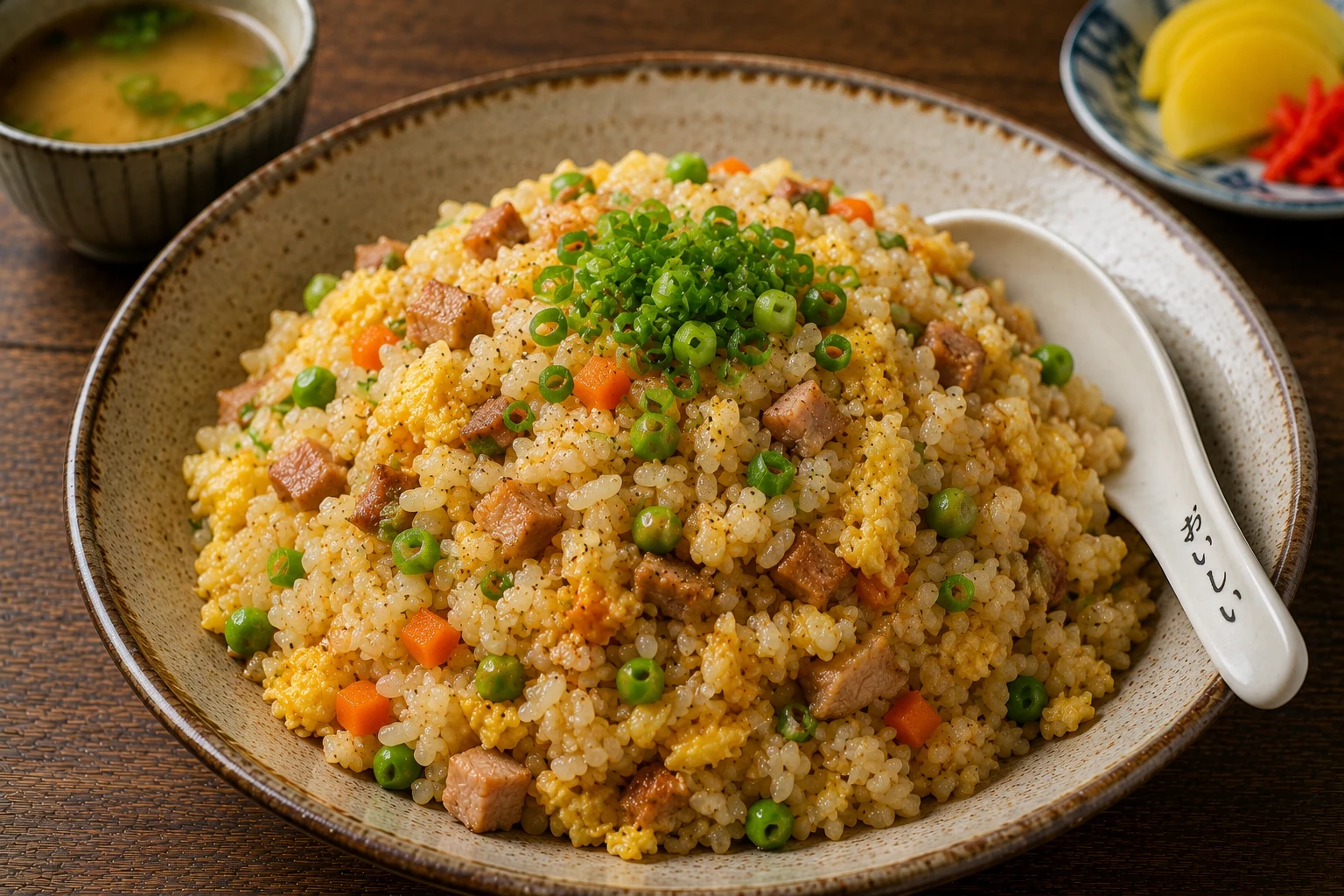
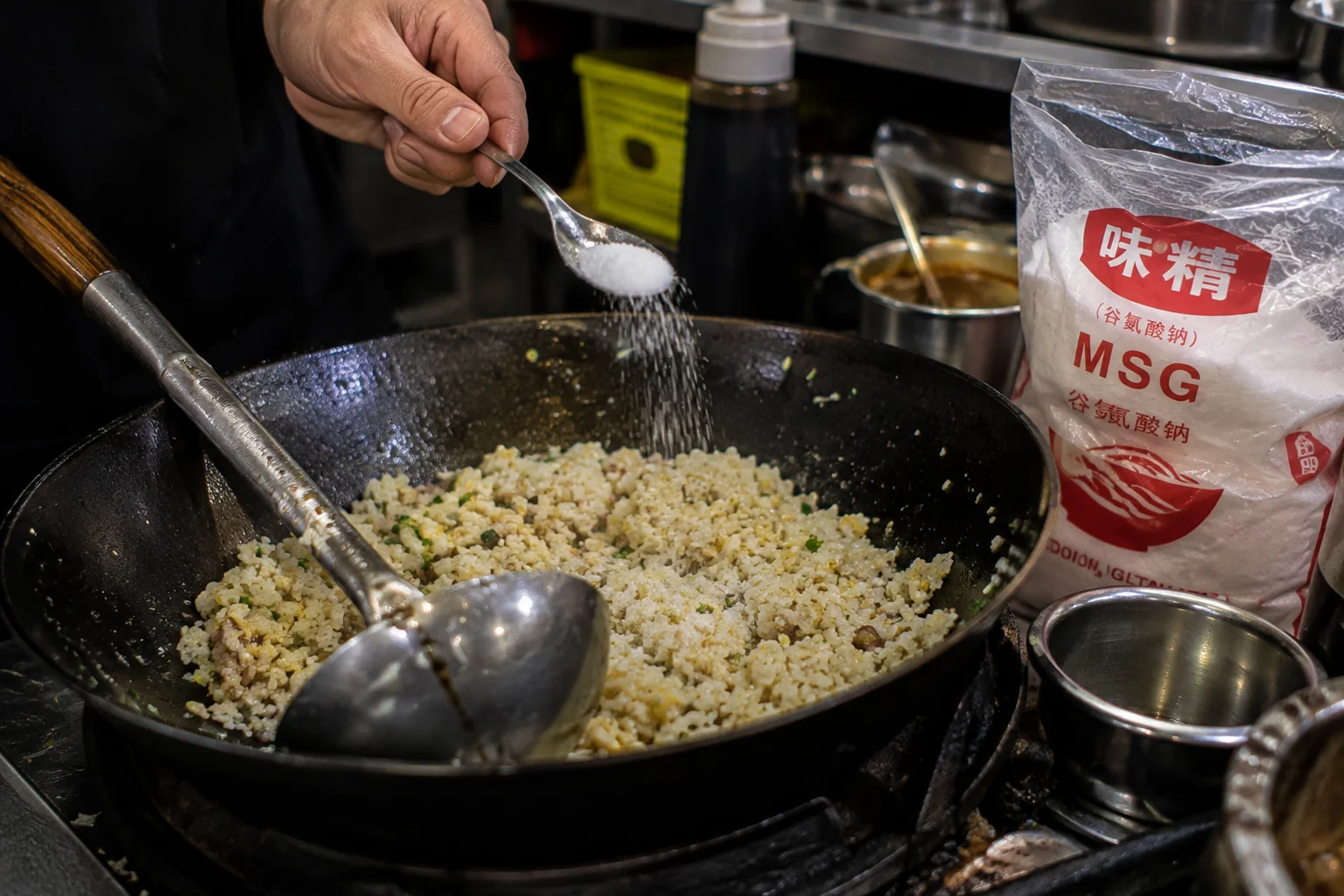
It gives the tongue a direct umami signal. That does not mean it makes every dish taste identical. Used correctly, it amplifies savoury character already present in food. A tomato sauce tastes more tomatoey; chicken stock can taste fuller; fried rice can gain the rounded savouriness people associate with restaurant cooking.
Is MSG 'natural'?
Glutamate occurs naturally throughout food. Commercial MSG is produced through fermentation, using a process conceptually similar to the fermentation used to make ingredients such as yoghurt or vinegar. The glutamate in MSG is handled by the body in the same fundamental way as glutamate from food.
How to cook with MSG
Use it as a seasoning, not as the main flavour. A small pinch is often enough for a portion of soup, fried rice, stir-fry, sauce or meat seasoning. It works particularly well when a dish tastes adequately salty but somehow flat. Add a little, taste, then adjust.
MSG versus salt
They do different jobs. Salt supplies saltiness; MSG supplies umami while also containing sodium. Replacing a portion of salt with MSG can create a deeply seasoned result without simply making food saltier. You will often get the best result by using modest amounts of both.
Where MSG shines
Try it in fried rice, chicken seasoning, broths, dumpling fillings, stir-fries, savoury marinades and vegetable dishes. It is particularly effective with mushrooms, tomato, meat and fermented ingredients because these already have strong savoury foundations.
The takeaway
MSG is not magic dust, and it cannot rescue poor ingredients or bad technique. What it can do is make savoury food taste fuller and more complete. Once you understand that, the little bag of white crystals becomes far less mysterious.