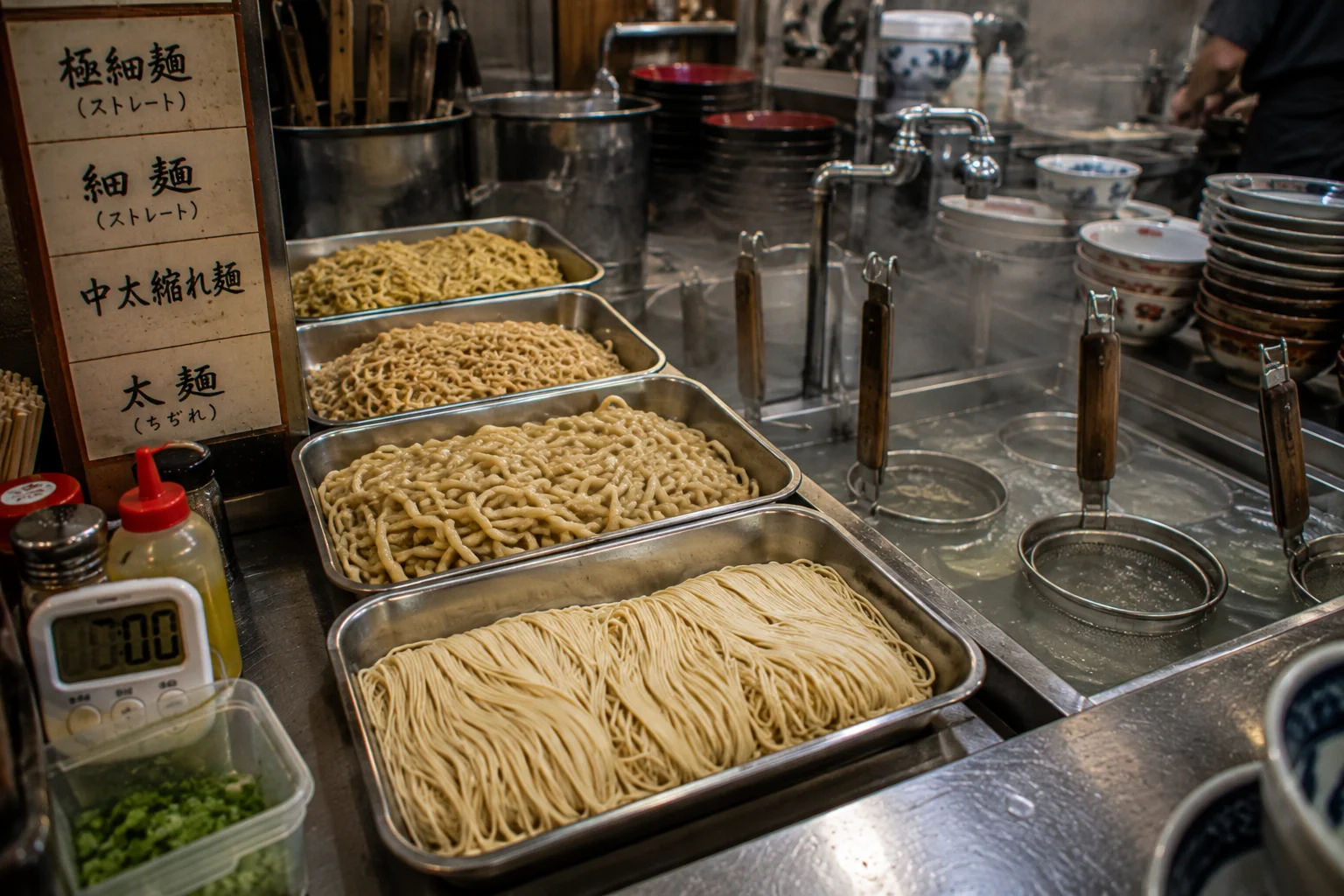
What are ramen noodles made of?
Most ramen noodles are wheat noodles made with alkaline salts known collectively as kansui. The alkalinity contributes their characteristic yellow tone, springy bite and ability to remain resilient in hot broth.
Are fresh or dried ramen noodles better?
Fresh noodles have excellent texture and are closest to a specialist ramen shop, but they cook very quickly and need attention. Good dried noodles labelled ramen or alkaline are convenient, shelf-stable and often much better than people assume.
Should you cook ramen noodles in the broth?
Usually not. Cook them separately in water, because noodles release starch and alkaline compounds that can muddy a carefully made broth. Drain well and move them straight into the assembled bowl.
Which ramen noodle suits which broth?
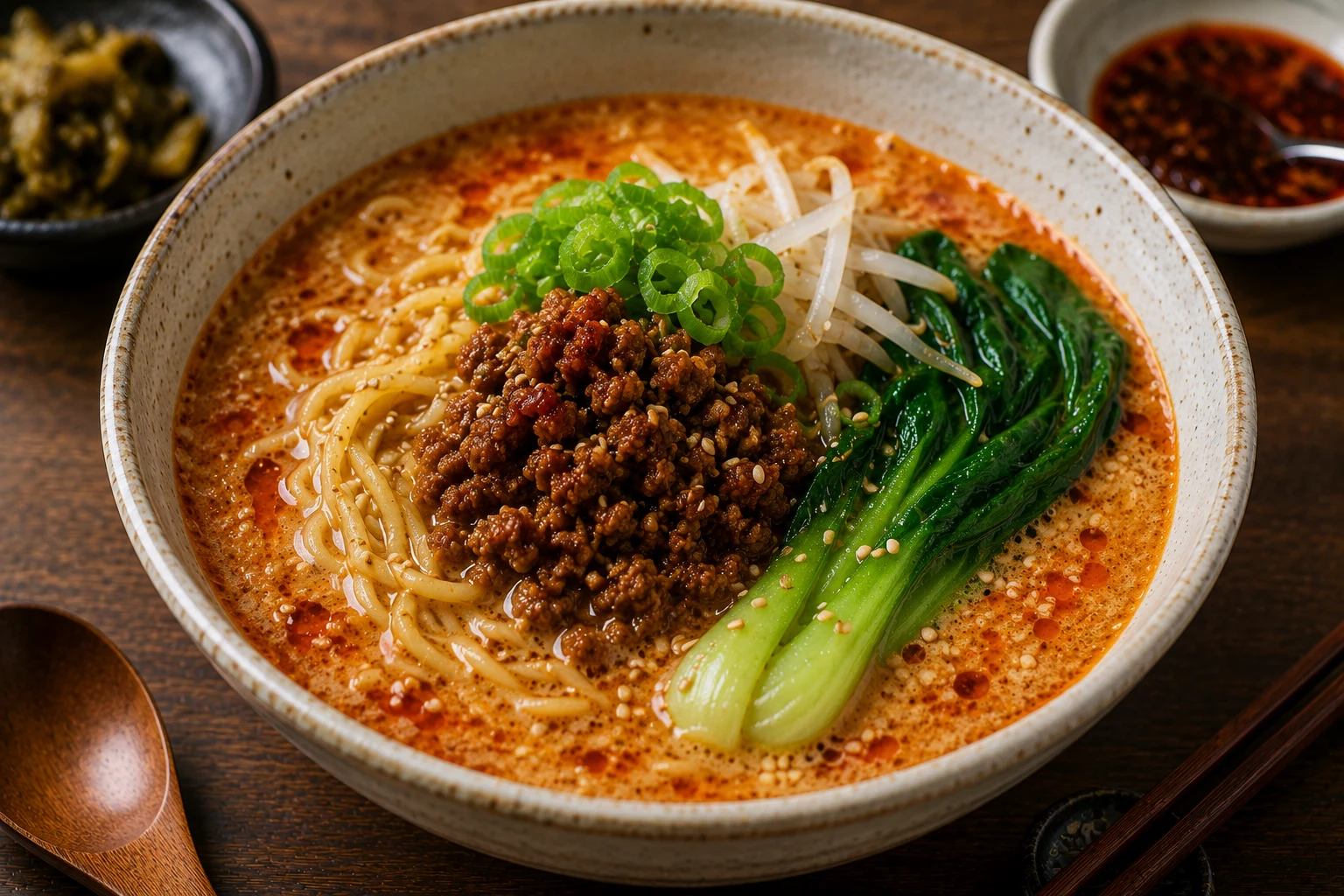
Thin, lower-hydration noodles are often paired with rich tonkotsu, cooking quickly and carrying concentrated broth without becoming heavy. Thicker or wavier noodles stand up to robust miso and other substantial soups. These are conventions, not laws.
The noodle matters as much as the broth
Ramen is often discussed in terms of tonkotsu, shoyu or miso, but the noodle is a major part of the architecture of the bowl. Thickness, hydration, shape and firmness affect how much broth clings to each strand and how the noodle feels as you eat.
What makes a ramen noodle a ramen noodle?
Most ramen noodles are wheat noodles made with alkaline salts known collectively as kansui. Alkalinity contributes to their characteristic yellow tone, springy bite and ability to remain resilient in hot broth.
Fresh ramen noodles
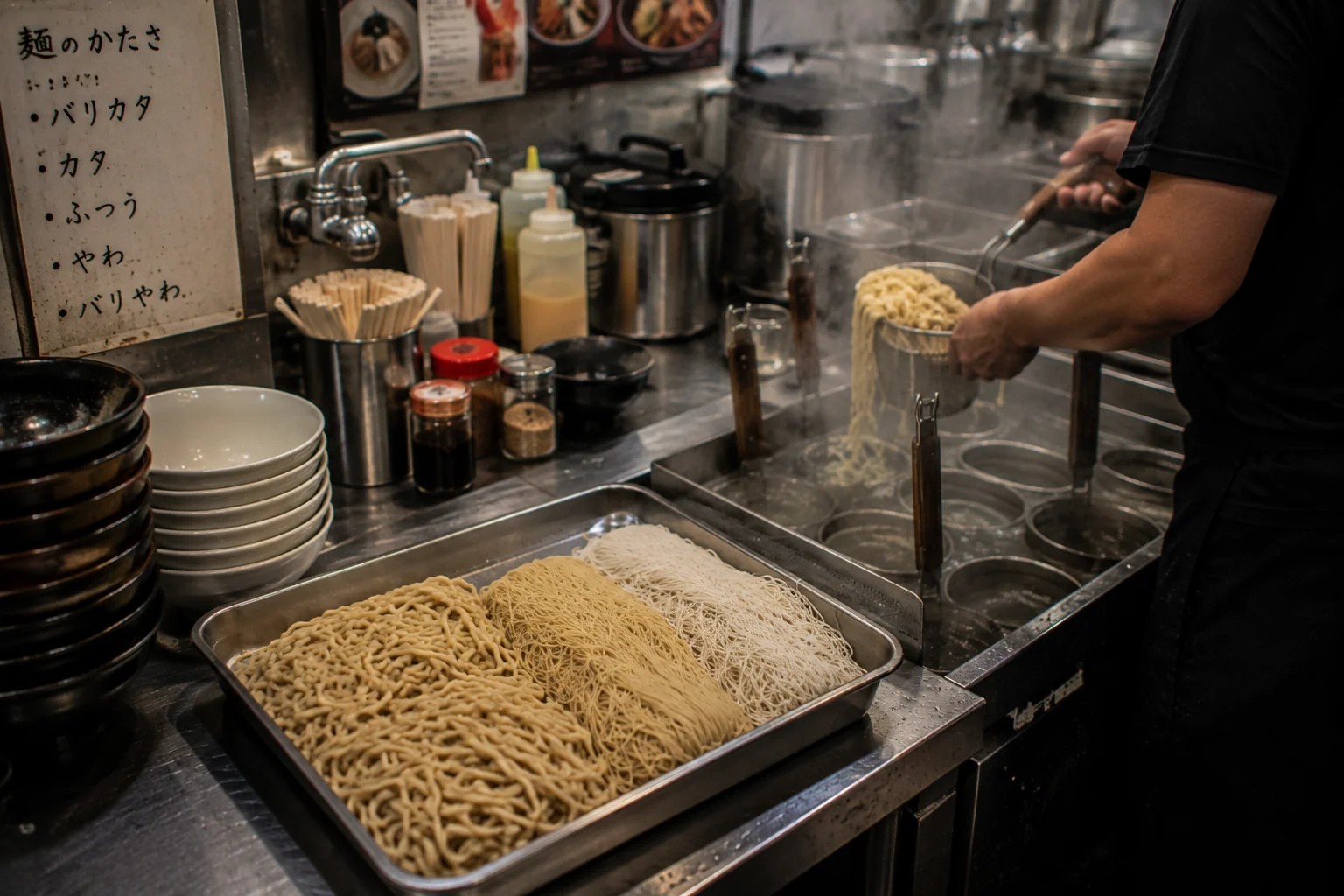
Fresh noodles offer excellent texture and are the closest option to a specialist ramen shop. They usually cook very quickly and need attention: an extra minute can be the difference between springy and soft. Refrigerated or frozen fresh ramen noodles are increasingly easy to find at Asian grocers.
Dried ramen noodles
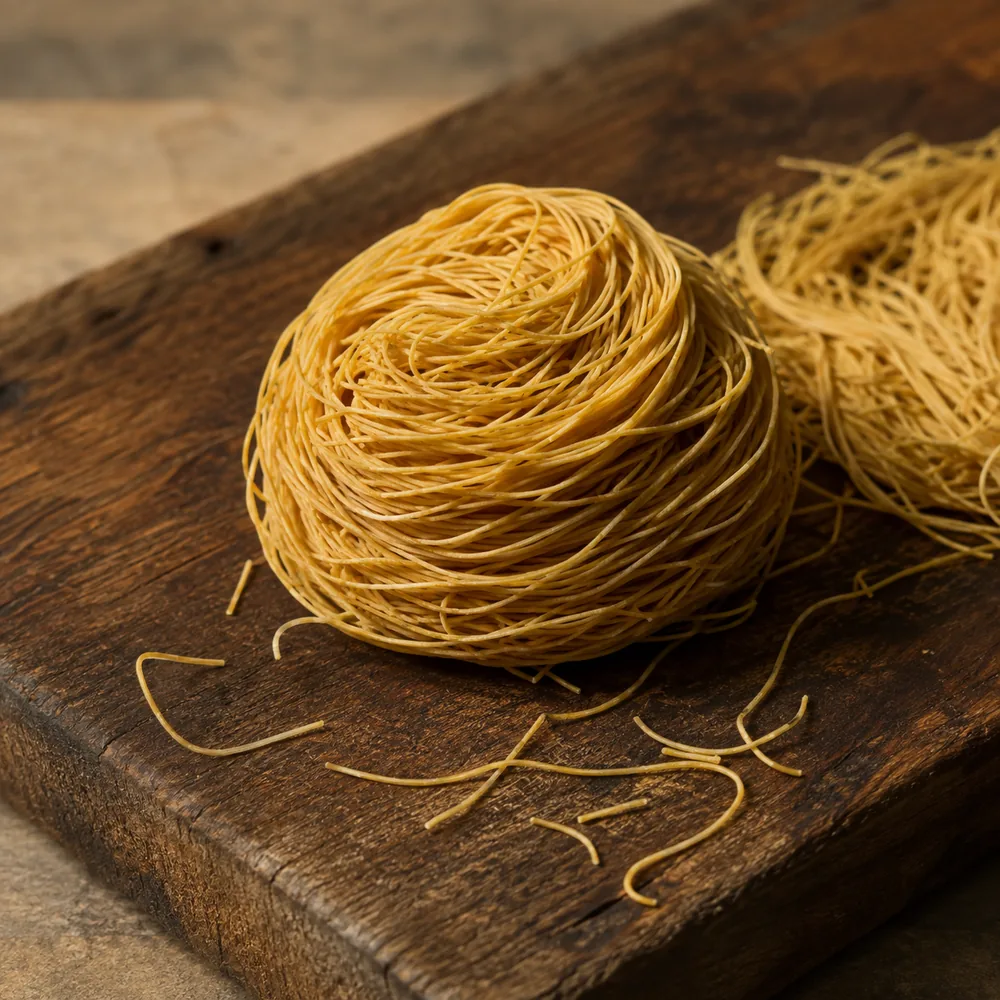
Quality dried ramen noodles are convenient, shelf-stable and often much better than people assume. Look for products specifically labelled ramen or alkaline noodles rather than generic wheat noodles. They are a strong pantry option for homemade broth.
Instant noodles
Instant ramen noodles are generally pre-cooked and dehydrated, often by frying or hot-air drying. They have their own appealing texture and are ideal for quick meals, but they do not exactly replicate fresh ramen-shop noodles. Upgrading instant noodles with better broth, egg, spring onion and chilli crisp can nevertheless produce an excellent bowl.
Thin versus thick noodles
Thin, lower-hydration noodles are often paired with rich tonkotsu because they cook quickly and carry concentrated broth without becoming overwhelmingly heavy. Thicker or wavier noodles can stand up to robust miso and other substantial soups. These are conventions, not laws.
Should you cook noodles in the broth?
Usually, cook ramen noodles separately in water. Noodles release starch and alkaline compounds into the cooking water, which can muddy a carefully made broth. Drain well and move them straight into the assembled bowl.
Do not let ramen wait
Have the broth hot and toppings ready before the noodles go into the water. Once cooked, ramen noodles begin changing immediately. The bowl should wait for the noodles, not the other way around.
The takeaway
For the best homemade ramen, choose proper alkaline ramen noodles and match their weight and texture to your broth. Fresh is fantastic, but a good dried noodle is far better than substituting an unrelated pasta or noodle simply because it is nearby.