What is the difference between Thai red and green curry?
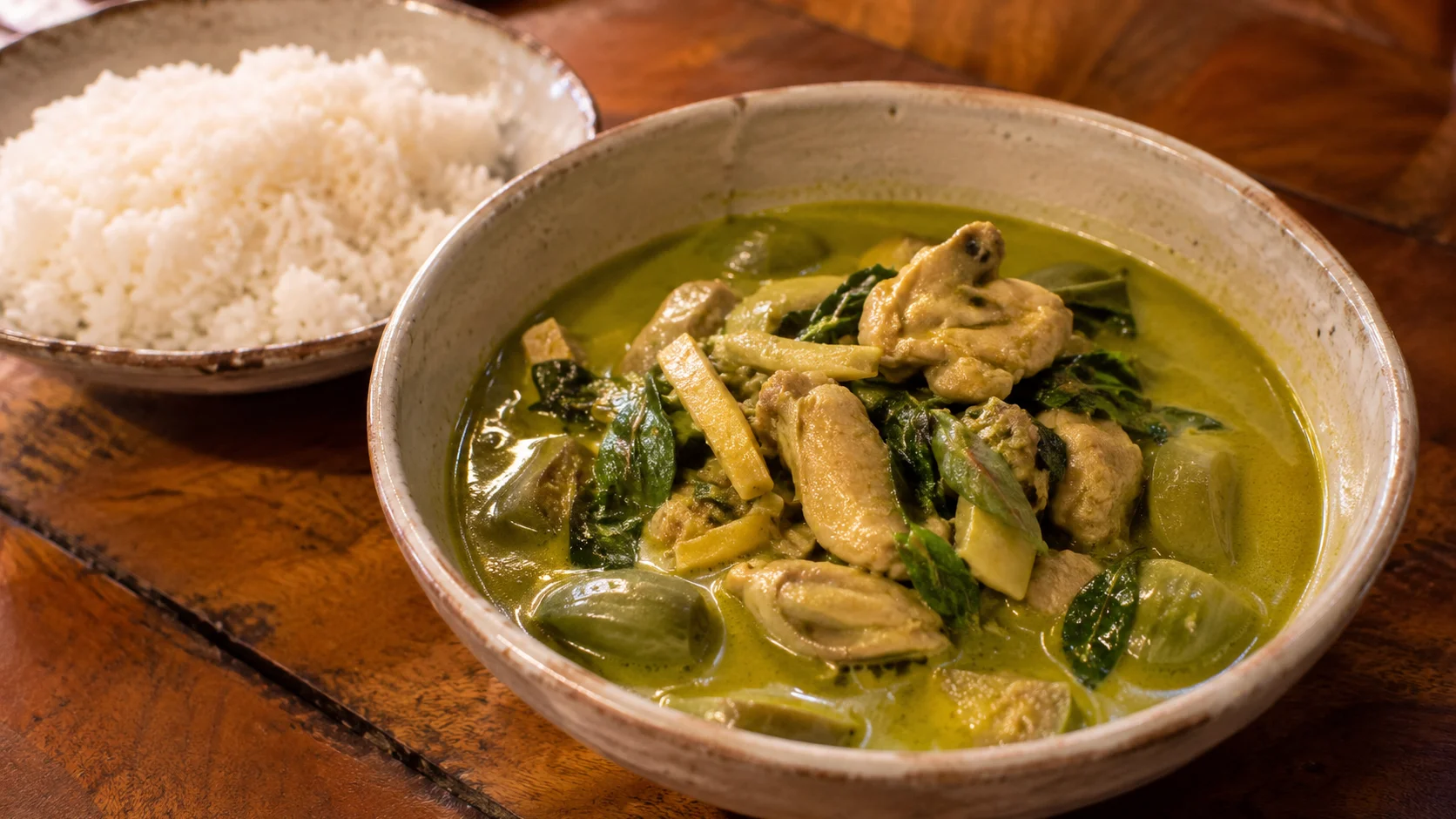
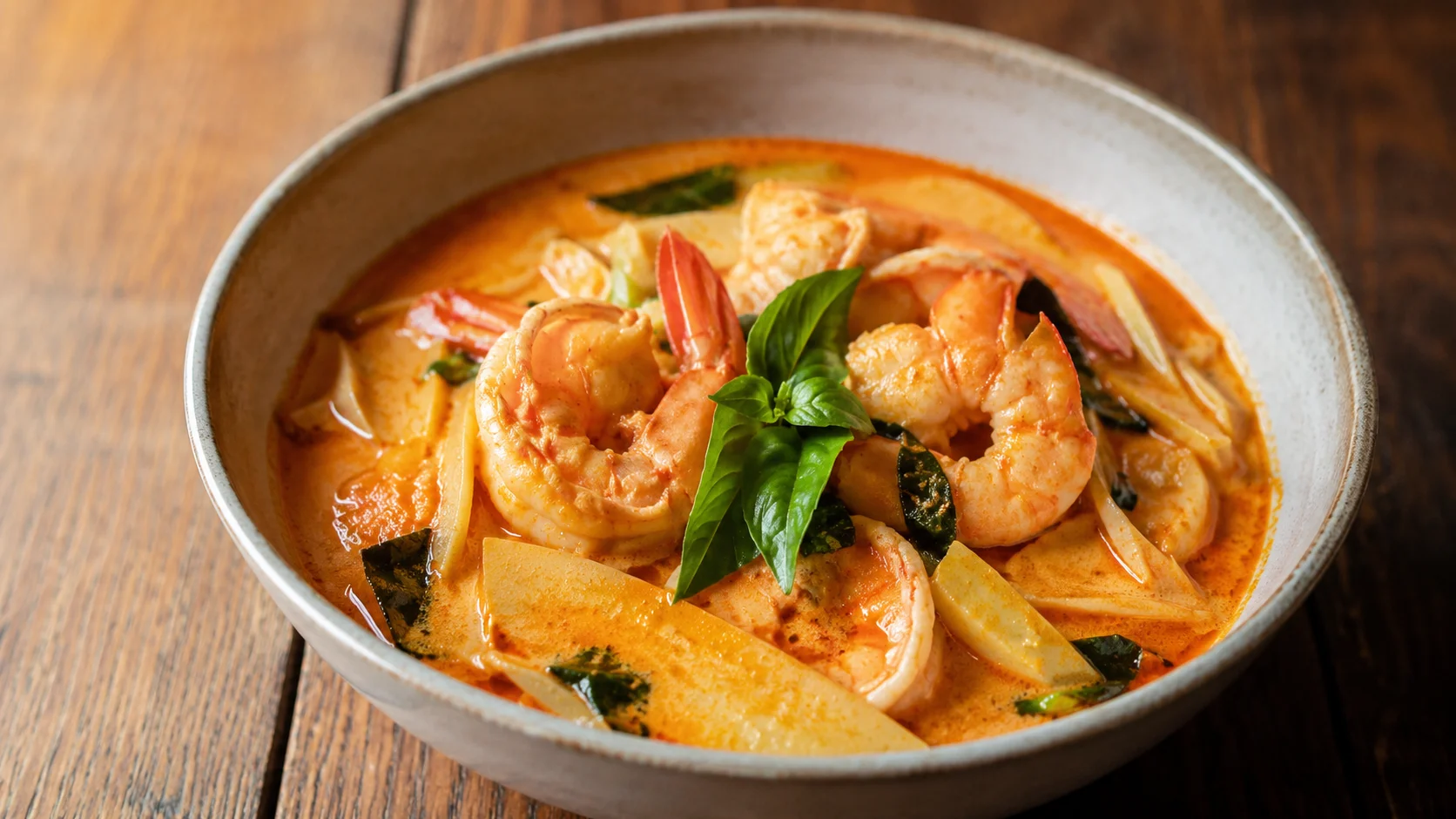
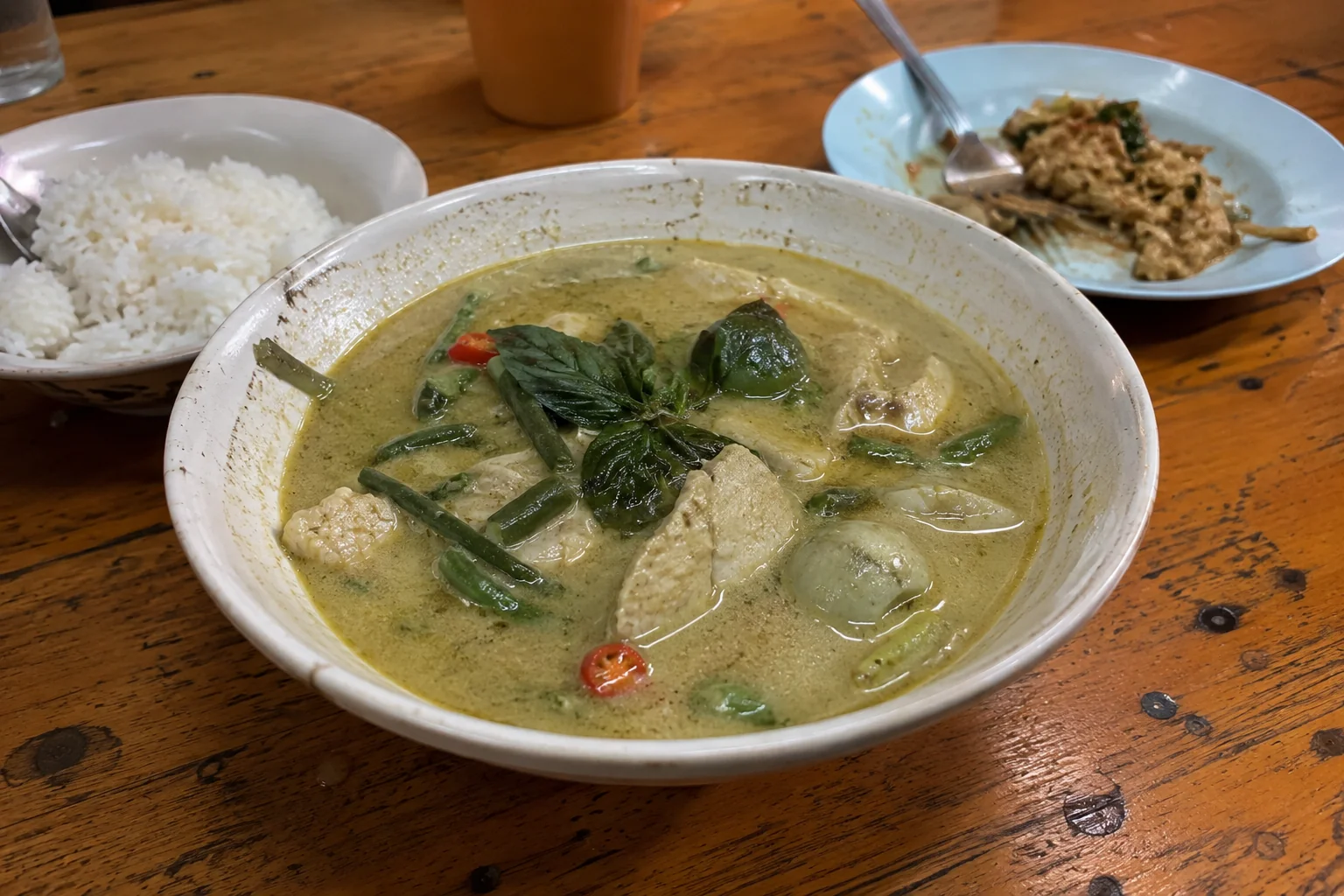
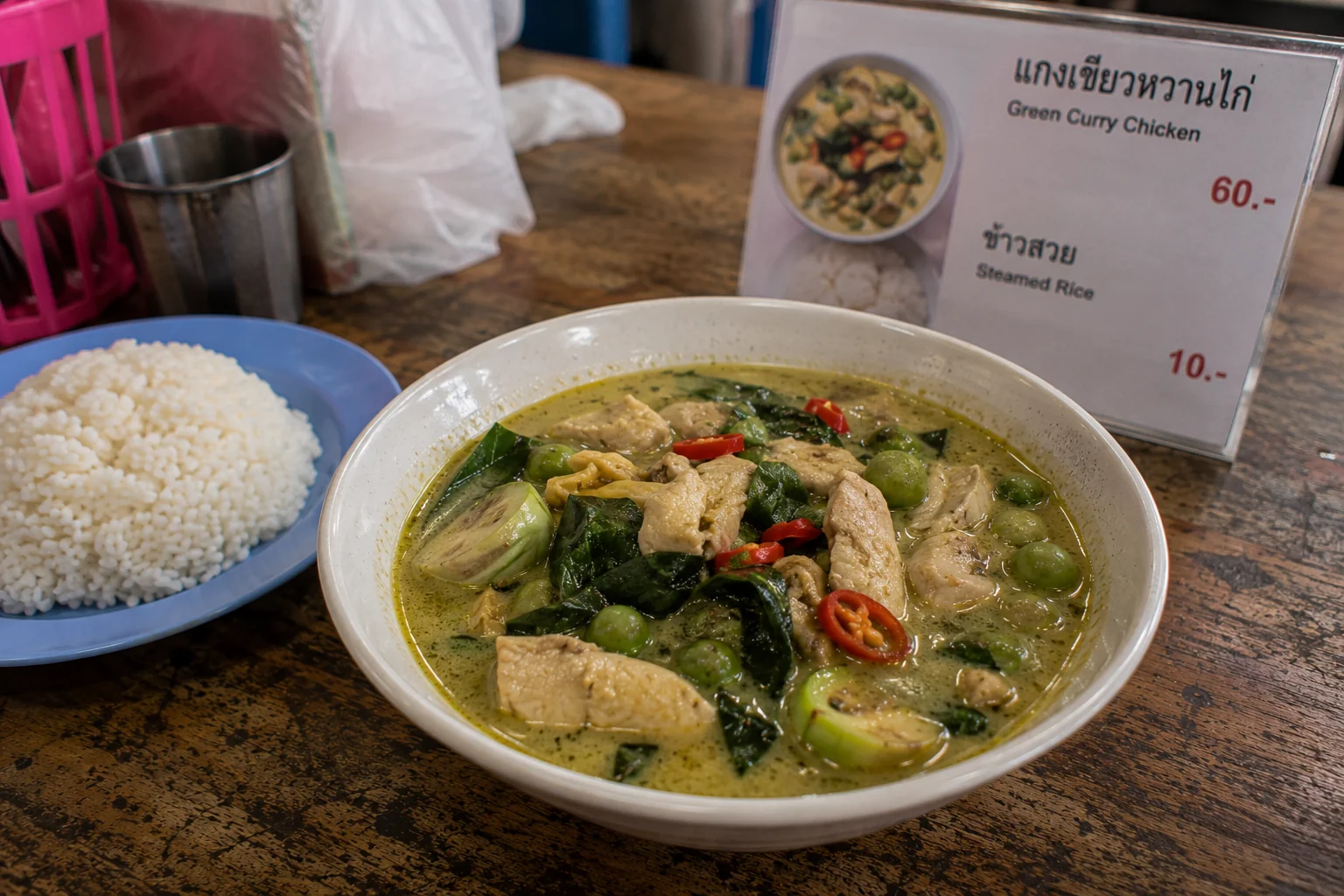
Green curry takes its colour from fresh green chillies and herbs and is bright, intensely aromatic and often hotter than it looks. Red curry is built on dried red chillies, tasting deeper and rounder with an earthy chilli character.
Which Thai curry is the hottest?
There is no universal ranking, because recipes and curry pastes vary. Green curry is often surprisingly hot thanks to its fresh chillies, while Massaman and yellow curry are commonly milder. The amount of paste used matters as much as the colour.
What is Massaman curry?
Massaman reflects centuries of cultural exchange. Warm spices such as cinnamon, cardamom and cloves sit alongside Thai aromatics and coconut milk, usually with potato, onion and peanuts. It is typically mild, rich and gently sweet.
How do you make jarred Thai curry paste taste better?
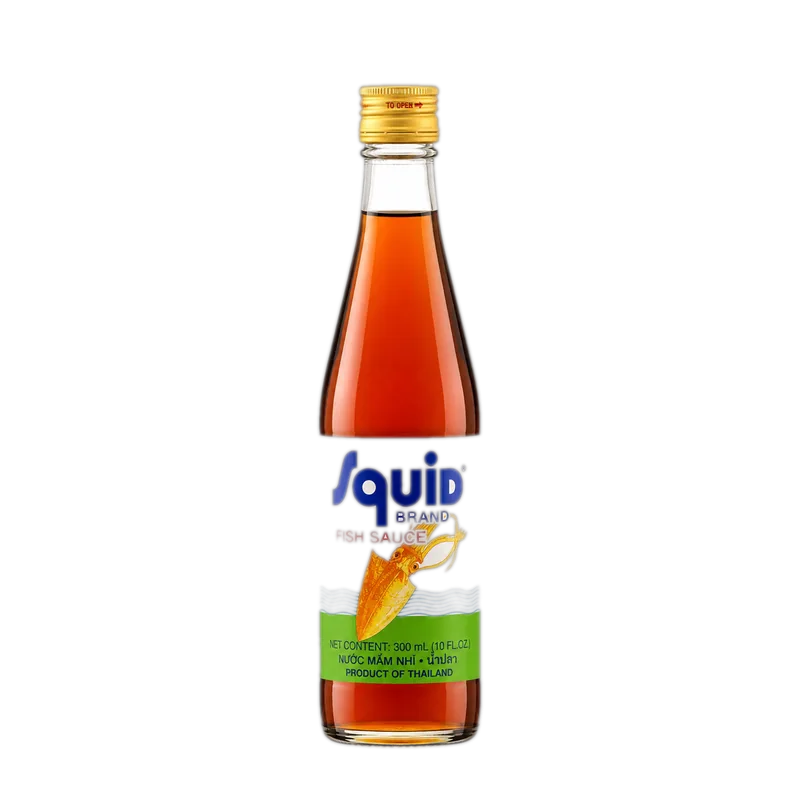
Fry the paste in the thick part of the coconut milk, or a little oil, until intensely fragrant before adding the remaining liquid. Then balance the curry with fish sauce for salt, palm sugar for sweetness, and lime or tamarind for acidity.
There is no single Thai curry
The phrase 'Thai curry' covers a huge family of dishes. What many have in common is curry paste: fresh or dried chillies pounded with aromatic ingredients such as lemongrass, galangal, garlic, shallot, makrut lime and spices. Coconut milk is common but not universal.
Thai green curry
Green curry, or gaeng keow wan, gets its colour largely from fresh green chillies and herbs. It is intensely aromatic, bright and often hotter than its gentle colour suggests. Coconut milk rounds out the heat, while Thai basil and vegetables add freshness.
Thai red curry
Red curry uses dried red chillies as a foundation. It tends to taste deeper and rounder than green curry, with an earthy chilli character that works with chicken, duck, beef, seafood and vegetables. It is an excellent all-purpose Thai curry paste to keep in the fridge.
Thai yellow curry
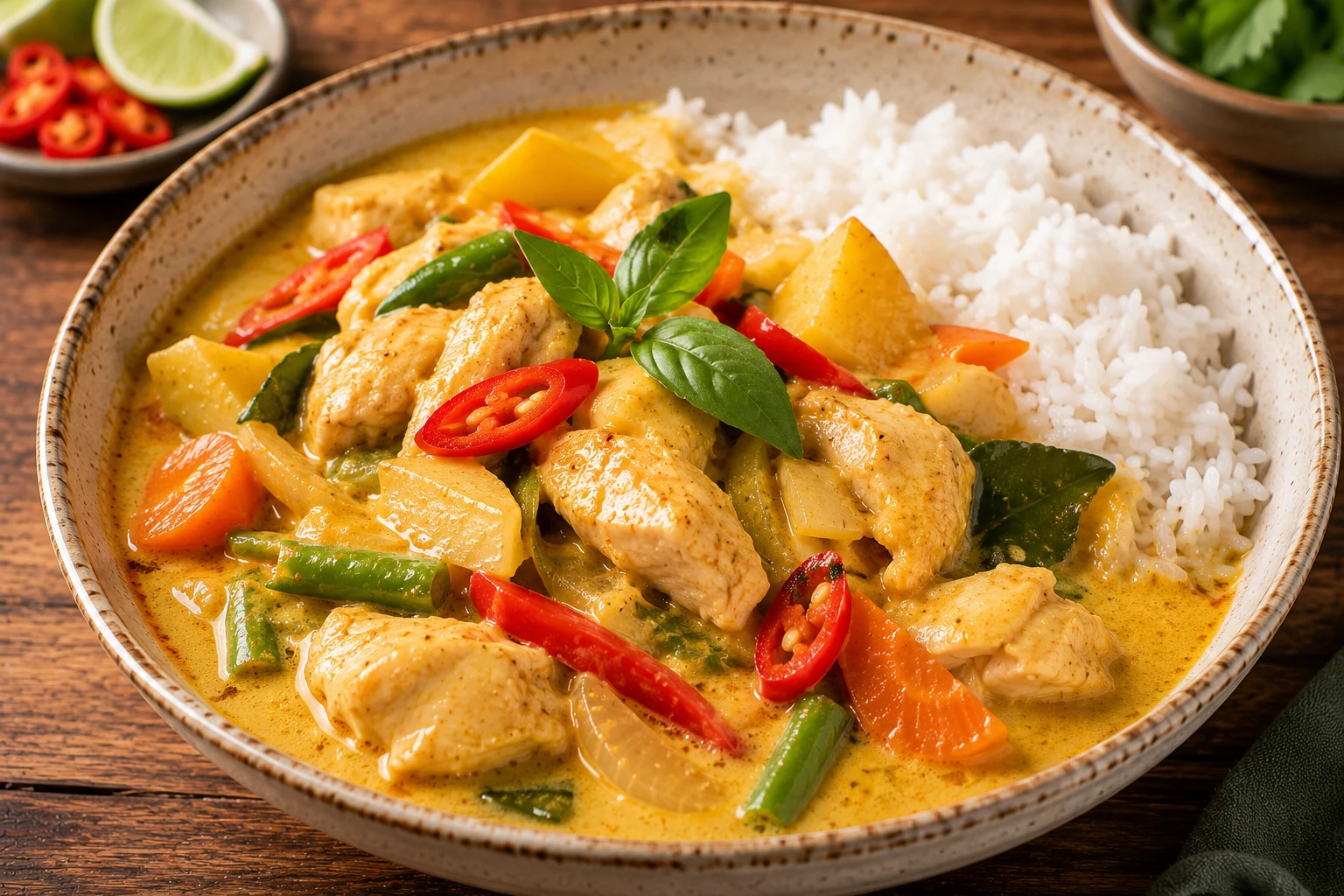
Yellow curry often leans more heavily on dried spices such as turmeric and cumin. It is generally mild, warm and comforting, and its flavour can feel closer to Indian-influenced curry traditions than green or red curry.
Panang curry
Panang is usually thicker, richer and less soupy than a standard red curry. The paste often includes peanuts or peanut-like richness, and the finished curry is concentrated, slightly sweet and luxurious. It is especially good with beef or chicken.
Massaman curry
Massaman reflects centuries of cultural exchange. Warm spices such as cinnamon, cardamom and cloves sit alongside Thai aromatics, coconut milk and usually potato, onion and peanuts. It is typically mild, rich and gently sweet.
Which Thai curry is hottest?
There is no universal ranking because recipes and curry pastes vary. Green curry is often surprisingly hot because of its fresh chillies, while Massaman and yellow curry are commonly milder. The amount of paste used matters as much as the colour.
How to make jarred curry paste taste better
Fry the paste in the thick part of coconut milk or a little oil until intensely fragrant before adding the remaining liquid. This wakes up the aromatics. Then balance the finished curry with fish sauce for salt and umami, palm sugar for sweetness and lime or tamarind where appropriate for acidity.
The takeaway
Instead of thinking of Thai curry as a heat scale, think in terms of personality: green is fresh and aromatic, red is deep and versatile, yellow is warm and mellow, Panang is thick and rich, and Massaman is gently spiced and comforting.